Food can become contaminated with bacteria from water sources, waste, soil, or human processes during production and transportation.
Article by Dr. Pham Duc Hung (intern at Harvard University, USA; PhD graduate from Leuven University, Kingdom of Belgium) and Dr. Nguyen Thi Thanh Van (majoring in Biotechnology, working at Uppsala University, Sweden) on common microorganisms hidden in food that can easily cause poisoning.
Groups of microorganisms causing poisoning
In addition to Clostridium botulinum, many other microorganisms also cause food poisoning, including: Clostridium, Salmonella, Campylobacter, Listeria, Bacillus cereus, E. coli, Staphylococcus, and Shigella.
Listeria is a very dangerous food poisoning agent. 20-30% of cases can be fatal. This group of bacteria is widely present in the environment, can be isolated from soil, fruits, vegetables, milk and unpasteurized milk products. The incubation period is from 7 to 70 days. The disease can last for several weeks.
Salmonella is widely distributed in nature, mainly in the intestines of humans and animals. Salmonella is commonly found in poultry and eggs. It is also present in unpasteurized milk and cheese. The incubation period is 12-72 hours. Symptoms can last from 4 to 7 days.
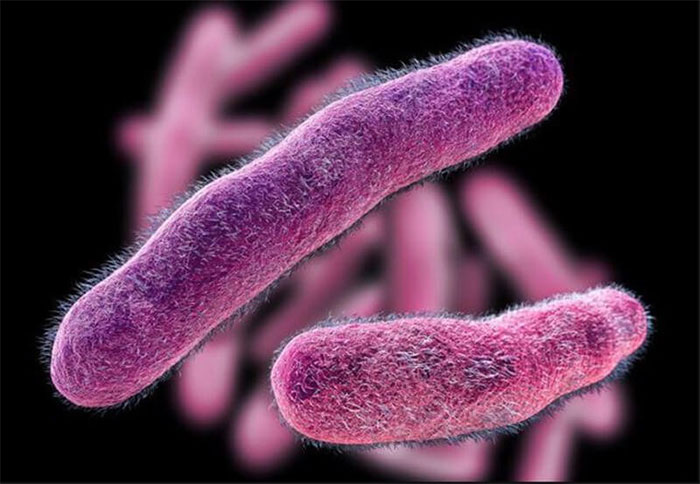
Salmonella is commonly found in poultry and eggs. (Photo: Innovationtoronto).
Campylobacter is one of the most common bacteria that cause stomach pain. It usually lives in the intestines of livestock and poultry. Campylobacter is often found in raw meat, unpasteurized milk, and contaminated water. The incubation period is 2 to 5 days. The illness can last 7-10 days.
In some severe cases, patients may develop Guillain-Barre syndrome (GB), which causes weakness and paralysis of the muscles, within 2-4 weeks of infection. This syndrome can last for weeks to years. An estimated 40% of GB cases in the United States are caused by Campylobacter.
Bacillus cereus is also one of the common causes of stomach pain worldwide. This type of bacteria can produce spores that can withstand high temperatures. Therefore, they can be found in raw and cooked foods. The incubation period is very short, only a few hours, and the infected person can recover on his own.
E. coli is a very common bacteria that lives in the intestines of humans and animals. The main sources of infection are feces, untreated water and raw foods. The incubation period is 3 to 4 days. Symptoms can last up to 10 days. Most patients will recover in 6 to 8 days.
Staphylococcus mainly lives on animal hosts in humans and animals. The bacteria can multiply on food and secrete toxins. Foods that are susceptible to contamination include meat, eggs, milk and milk products. Heat can kill the bacteria but their toxins can still exist in the food.
Food contaminated with Staphylococcus toxins does not spoil or have a foul odor, making it difficult to detect. Symptoms may appear 30 minutes to 8 hours after consuming contaminated food.
Shigella is the most common bacteria that causes diarrhea. Foods that are easily contaminated include raw fruits and vegetables and raw milk. Symptoms may appear 1 to 2 days after eating contaminated food and last 5 to 7 days.
How to prevent food poisoning
People should limit consumption of unpasteurized high-risk foods such as milk or juice, raw seafood and rare meats.
For fresh fruits and vegetables, you should wash them under running water before cooking, packaging or eating. Leftovers or food that is not used immediately should be stored in the refrigerator.
Keep raw and cooked foods separate to avoid cross-contamination. If you use the same cutting board for raw meat and fish as for cooked foods, wash the board with warm, soapy water between uses. You should thaw frozen foods in the refrigerator or microwave.
Finally, don't forget to wash your hands. Wash your hands with soap and water for at least 20 seconds, especially after using the bathroom and before preparing food.