Space science
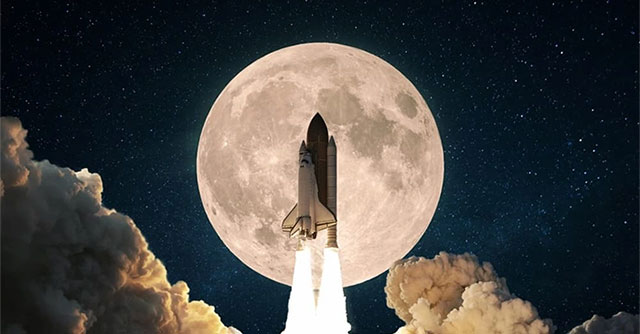
Why humans are always trying to explore the Moon.
The Moon, Earth's only natural satellite, has always fascinated and intrigued humanity from ancient times to the present day.
Browse ScienceInfo articles and explainers related to Return.
556 published items.
The Moon, Earth's only natural satellite, has always fascinated and intrigued humanity from ancient times to the present day.

The 646-gram meteorite once left us, flew out into space, and somehow ended its extraordinary journey on Earth.

Returning to Earth in July 1969, astronaut Neil Armstrong had to celebrate his 39th birthday in quarantine.

As the largest desert in China today, Taklimakan has long been famous as a place
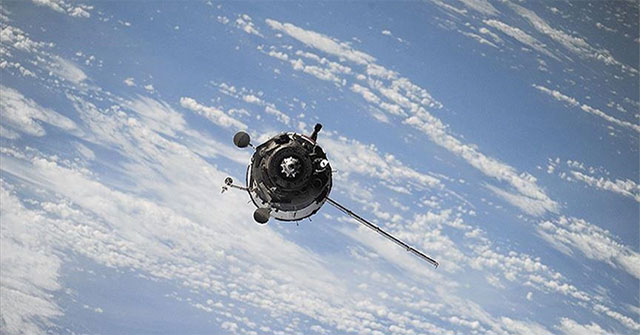
In the dark and boundless space, an artificial satellite that had been missing for 40 years made a spectacular return, leaving scientists around the world shocked and wo…
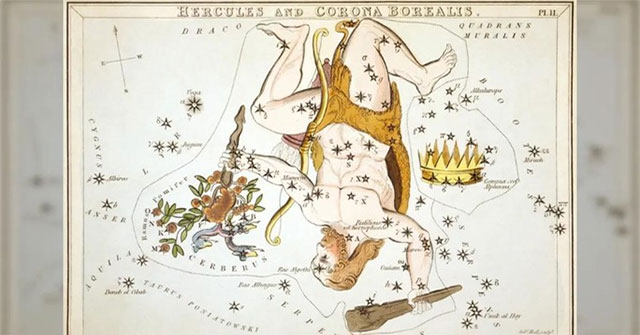
In 1217, a German monk looked up at the southwestern sky and noticed a star suddenly turn into a

According to weather forecast, the cold air is likely to return to our country this weekend (December 7-8). The weather in the North, including Hanoi, will turn cold and…

Many members of the expedition suffered facial disfigurement after their trip to the White City, also known as the City of the Monkey God, in Honduras.
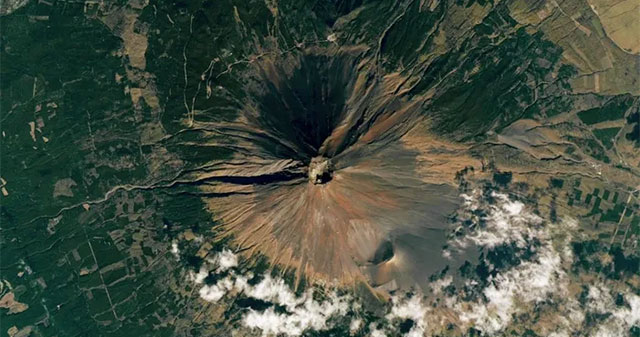
NASA satellite images taken on 9/11 show Japan's tallest mountain returning to its original state
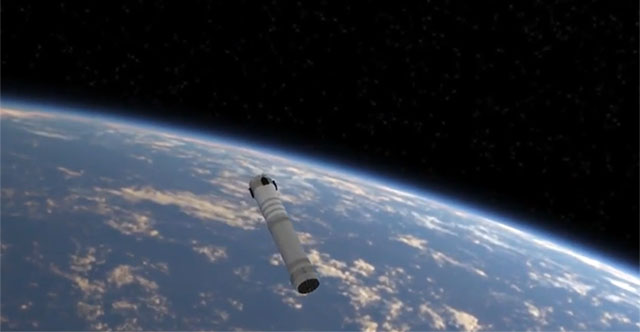
China has introduced a reusable rocket concept in which the first stage is caught by a clamp on return, and the second stage lands vertically.
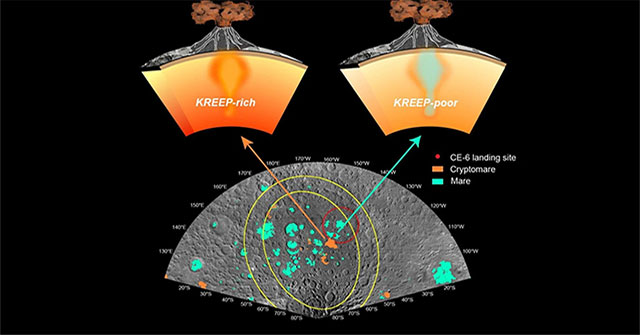
Among the 108 samples brought back to Earth by the Chang'e 6 spacecraft, there was one piece of rock that was completely different.
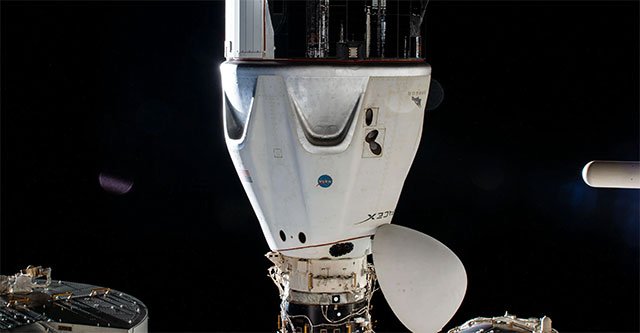
The astronauts of the SpaceX Crew-8 mission have left the International Space Station (ISS), beginning their journey back to Earth, expected to land off the coast of Flo…
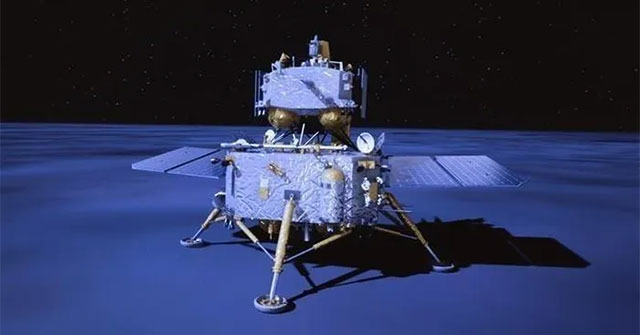
Plans to land humans on the Moon with the Artemis III mission have been delayed while China's rival program is progressing rapidly without any significant setbacks or de…
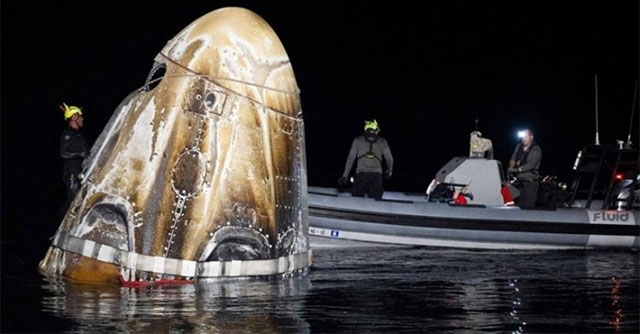
SpaceX's Dragon Endeavour spacecraft carrying Crew-8 landed in the Gulf of Mexico on October 25, after which one astronaut had to stay in the hospital for health monitor…
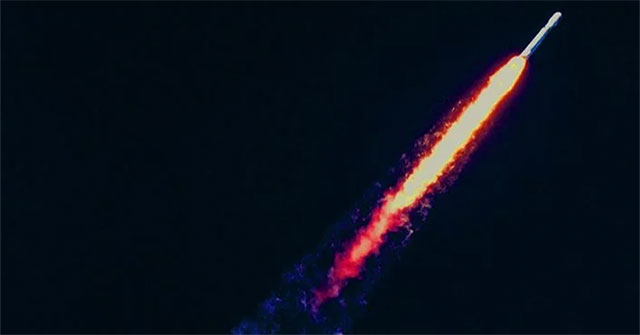
New technology opens up a turning point for space exploration, when rockets do not need to return to Earth to refuel.