Coffee drinkers should avoid certain foods such as citrus fruits, red meat, dairy, fried foods, grains, and foods high in sodium to maximize health benefits.
Foods you should not eat when drinking coffee
Coffee can temporarily boost energy and provide other health benefits, making it an effective addition to a balanced diet. Research suggests that moderate coffee consumption may help prevent diseases related to stress, oxidation, and inflammation, such as type 2 diabetes and some cancers. However, coffee can also affect the absorption of certain nutrients, reducing or increasing the effects of certain foods.
Each person has a different body type and can tolerate different food combinations. However, you should avoid certain foods when drinking coffee, specifically as follows:
Citrus fruits
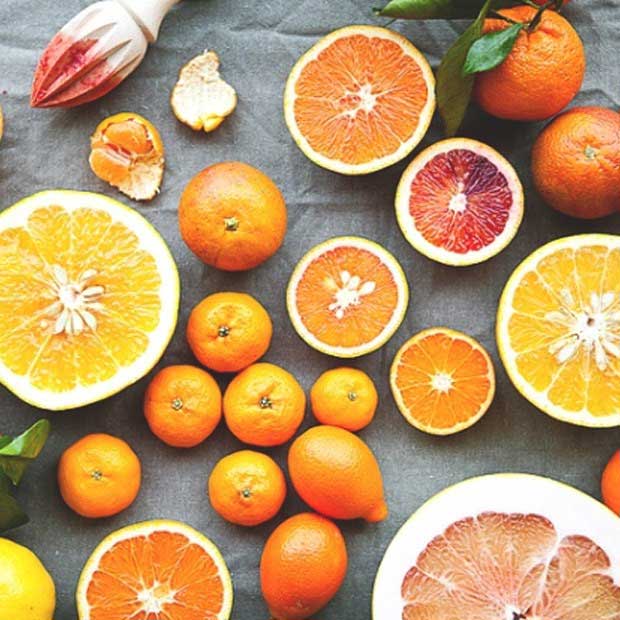
Drinking coffee while eating citrus fruits can cause indigestion because coffee is naturally acidic. The pH of coffee averages between 4.85 and 5.13 on a scale of 0 to 14, with lower numbers indicating higher acidity.
Citrus fruits and their juices are also highly acidic and can contribute to gastroesophageal reflux disease (GERD), which often causes unpleasant symptoms such as nausea, bloating, and heartburn. Drinking coffee with citrus fruits can irritate the stomach lining and worsen these symptoms.
The sour, astringent taste of citrus can also alter the flavor of coffee, making it more bitter and less enjoyable. It is best to enjoy citrus separately from coffee to fully appreciate its flavor and reap its health benefits without causing indigestion.
Red meat
Research shows that coffee can affect the absorption of nutrients in the gut, especially iron. Red meat is one of the best sources of heme iron (the natural and most easily absorbed form of iron), meaning drinking coffee at the same time as eating meat may reduce its health benefits.
One study examined the effects of coffee on serum ferritin levels and found that drinking three or more cups of coffee per day significantly reduced iron levels. In fact, post-meal iron absorption was reduced by about 39% after drinking coffee.
Iron plays a number of important roles in the body, including supporting blood circulation, hormone production and immune function. Iron deficiency anemia is one of the most common nutritional problems in the world, highlighting the importance of iron-rich foods. Choose other protein sources with your morning coffee and save red meat for when your body can easily absorb its iron.

Drinking coffee at the same time as eating this meat may reduce its health benefits.
Milk
Milk is an excellent source of calcium, which is essential for bone health, muscle function, blood clotting, and hormone production. One cup of skim milk provides 23% of the recommended daily value (DV) for calcium for the average healthy adult.
However, research shows that combining milk and coffee can interfere with calcium absorption. In other words, the caffeine in coffee can reduce the absorption of dietary calcium. Unabsorbed calcium is excreted in the urine. High levels of this calcium have been linked to an increased risk of kidney stones and bone health problems.
People who enjoy drinking milk in their coffee may need to meet their calcium needs with other foods at different times of the day. A dietitian can help you adjust your calcium needs and design an appropriate meal plan.
Fried food
Research shows that increased coffee consumption may lead to an increased risk of dyslipidemia, which is abnormal levels of fat in the blood. Drinking three or more cups of coffee a day may increase low-density lipoprotein (LDL) cholesterol (the 'bad' cholesterol), which negatively affects heart health. It may also decrease high-density lipoprotein (HDL) cholesterol (the 'good' cholesterol), which supports heart health.
Regularly eating fried foods increases the risk of cardiovascular disease, so coffee drinkers may need to limit their intake of fried foods to maintain heart health.
Research shows that eating fried foods four or more times a week can increase your risk of chronic disease. Pay attention to how often you consume meals that contain fried foods and your ratio of coffee to fried foods.
Breakfast cereal
Many breakfast cereals are fortified with essential vitamins and minerals. For example, breakfast cereals, often fortified with zinc, are a significant source of this essential mineral in many diets.
However, coffee may interfere with zinc absorption. There are currently no studies that have analyzed the relationship between coffee intake and nutrient absorption from fortified breakfast cereals, but it is best to separate the two.
Research has not established a standard waiting period between eating cereal and drinking coffee. A dietitian can help plan a balanced meal that meets your individual nutritional needs.
Foods high in sodium
Coffee contains many bioactive compounds that directly affect blood pressure. Research shows that drinking 1-3 cups of coffee a day is unlikely to have adverse effects on blood pressure levels, but excess caffeine may worsen hypertension (high blood pressure).
Research shows that sodium intake is directly correlated with blood pressure. The American Heart Association recommends no more than 2,300 milligrams (mg) of sodium per day. A dietitian can help you adjust your sodium intake and incorporate coffee safely, if desired.