The following "legends" will surely make you feel both familiar and. strange, because you wouldn't expect them to have been created under such unique circumstances.
Top inventions that came about purely by accident.
- 1. Modeling clay
- 2. Ice cream popsicles
- 3. Slinky spring-loaded toy
- 4. Coca-Cola
- 5. Chocolate-covered cookies
- 6. Potato slices
- 7. Pacemaker
- 8. Silly Putty Bouncing Plastic Toy
- 9. Microwave oven
- 10. The hallucinogenic drug LSD
- 11. Sweeteners
- 12. Sticky notes
- 13. Anti-stain solution
- 14. Cereal products
- 15. Penicillin
- 16. X-ray imaging method
- 17. Velcro fasteners
- 18. Phosphorus
- 19. Tabun poison
- 20. Vulcanized rubber
- 21. Antimalarial drugs
- 22. Bubble wrap
- 23. Viagra
Some scientists dedicate their entire lives to inventing groundbreaking, revolutionary tools and methods to solve problems that have plagued the world for centuries. However, there are also many cases where individuals, through some "accidental" means , have stumbled upon great inventions that are still widely used today.
Regardless of the method used, we should all feel grateful and fortunate because, ultimately, they all share the common goal of building and creating a better world than ever before.
Here is a list of "accidental" inventions from the past, but with surprisingly positive results:
1. Modeling clay

Clay products were officially introduced in 1957.
Inventor: Joseph McVicker, President of Kutol Products, a soap manufacturer in Cincinnati, Ohio.
Original purpose: In the early 1950s, the Kutol company successfully developed a special clay powder that could remove soot stains from houses using coal and wood for cooking and heating. However, according to data from the Christian Science Monitor, people soon switched from coal and wood to gas, leading to the risk of serious losses for the company.
The process and outcome : McVicker recalled a lesson his sister had taught him from his childhood about using pastes to mimic the plasticity of clay. And finally, in 1957, his correct decision—turning the design into a colorful and attractive children's toy—brought the company millions of dollars.
2. Ice cream popsicles

It's unbelievable that this product was discovered by an 11-year-old boy.
The inventor: Frank Epperson, when he was just 11 years old.
Original purpose: In 1905, while playing with his family in the backyard of their San Francisco home, Epperson accidentally used a stick to mix dry baking soda and water together in a cup as a joke, then left the mess outside and went back inside the house.
Events and results: The next morning (according to Gizmodo), Epperson discovered an "ice popsicle stick" there. He named the product after himself: Eppsicle , and gradually showed it off and made it for his peers, and even his own children. The children then called his stick Popsicle , because it was made of soda and had a popping sound when tasted. So in 1923, he patented the design, officially marking the birth of the ice pop – the best-selling product of all time every summer.
3. Slinky spring-loaded toy
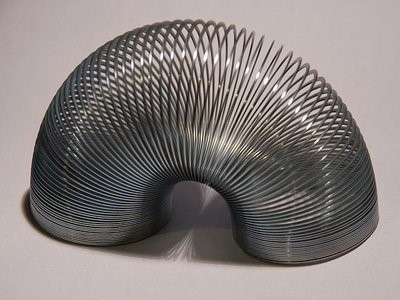
This spring-loaded toy was invented by a naval engineer.
Inventor: Richard Jones, Naval Engineer.
Original purpose: In 1943, John was involved in the development of a gauge for measuring energy levels on warships.
The events and results: At that time, John was focused on researching compression springs. Suddenly, while he was engrossed in designing, a spring fell to the floor and continued bouncing back and forth until it finally settled on the ground. After several modifications, the Slinky toy was officially born.
4. Coca-Cola

John Pemberton's product was very popular and was later renamed Cola.
Inventor: John Pemberton, Pharmacist.
Original purpose: Living in Atlanta in the 1880s, Pemberton sold a syrup made from alcohol and coca extract, called "Pemberton's French Coca-Cola ," which was advertised as a cure for headaches and anxiety.
Developments and results: In 1885, Atlanta banned all forms of alcohol sales, so Pemberton had to remove the aforementioned ingredient from his product, leaving only coca solution as the main component, mixed with mineral salts to create a soda. Surprisingly, the resulting product became incredibly popular upon its release, later taking the name Coca-Cola.
5. Chocolate-covered cookies
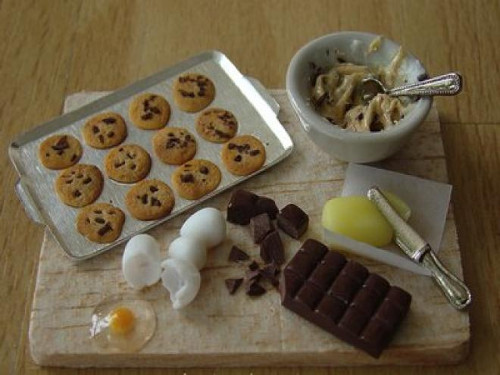
This special cookie was created when the original intention was simply to make ordinary cookies.
Inventor : Ruth Wakefield, owner of Toll House Company.
Original intention: Wakefield simply wanted to. make some ordinary cookies.
The process and outcome : In 1930, while mixing a batch of cookies, Wakefield suddenly realized she had run out of chocolate. To improvise, she broke the remaining chocolate into smaller pieces and continued mixing it into the dough. She intended to melt the chocolate pieces and incorporate them into the cookie filling, but the pieces remained stubbornly intact , ultimately resulting in a unique new type of cookie.
6. Potato slices

This sliced fried potato dish was invented by the chef at Carey Moon Lake House.
Inventor: George Crum, Chef at Carey Moon Lake House, located in Saratoga Springs, New York.
Original purpose: Crum was then trying to serve French fries ordered by a customer in the summer of 1853.
The events and results: The customer repeatedly returned the dish, demanding that it be sliced thinner and crispier. Crum lost his temper, sliced the potatoes so thinly that they couldn't be any thinner, and then fried them until they were as "dry and hard" as possible. Unexpectedly, many people liked it and ordered a lot.
7. Pacemaker
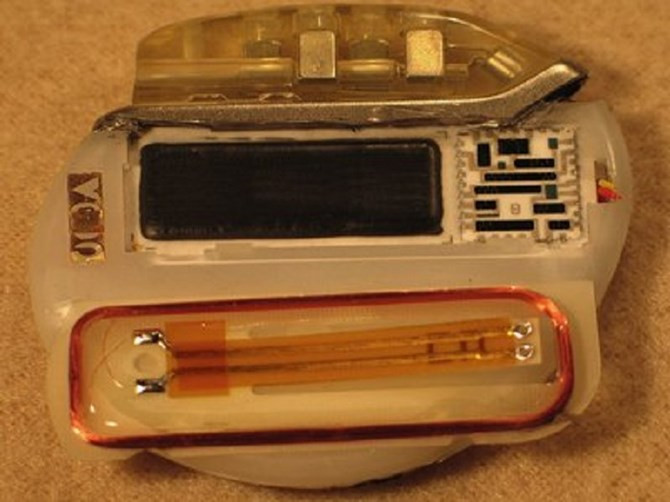
The pacemaker was successfully invented in 1951.
Inventor : John Hopps, Electrical Engineer.
Original purpose : Hopps was then conducting some research on hypothermia in humans and trying to apply radiofrequency technology to restore and warm the body.
Developments and results: While engrossed in his experiments, he discovered that if a human heart stopped beating due to a drop in body temperature, it could still be revived using artificial external stimuli. From there, through further in-depth analysis, the pacemaker was successfully invented in 1951.
8. Silly Putty Bouncing Plastic Toy
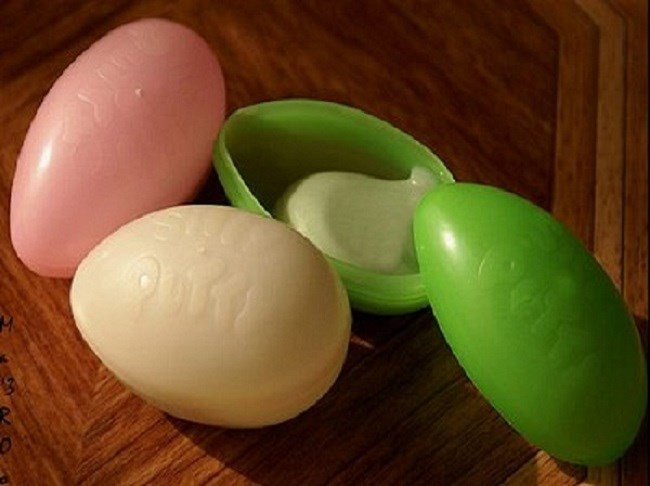
This toy product was created with the initial purpose of experimenting with the application of silicon as a substitute for rubber.
Inventor: James Wright, Electrical Engineer.
Original purpose: During World War II, the U.S. government required a supply of rubber for the production of aircraft tires, boots, and related items. Wright was then experimenting with using silicon as a substitute for rubber, given its widespread availability at the time.
Development and results: During a test of silicone oil properties in 1943, Wright added boric acid to the original compound. The result was a viscous, bouncy substance. At the time, he couldn't think of a use for it, but then the idea suddenly struck him: to turn it into a fun and wonderful toy for children.
9. Microwave oven
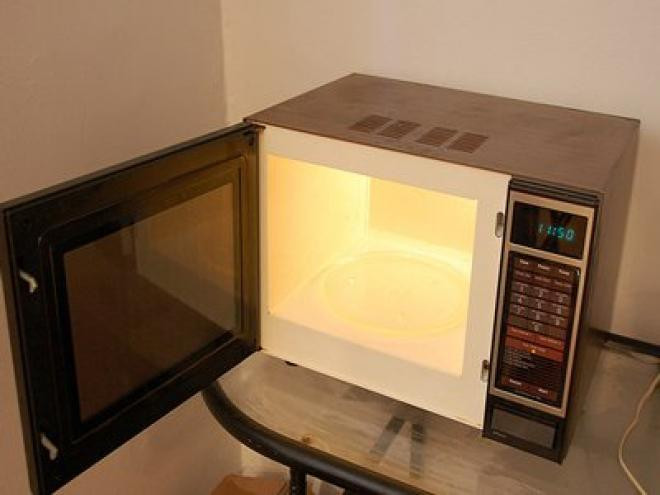
The moment Spencer realized he had successfully built the machine was a revolutionary discovery for the era.
Inventor : Percy Spencer, Engineer at Raytheon Corporation.
Original purpose : In 1946, Spencer was involved in a research project on the application of radar with a vacuum tube.
Events and results: While conducting the experiment with the tube, a candy bar in Spencer's pocket suddenly melted. Immediately, he took several intact corn cobs and placed them near the device, and they also began to "explode ." That was the moment Spencer realized he had successfully built a machine that represented a revolutionary discovery of the era.
10. The hallucinogenic drug LSD
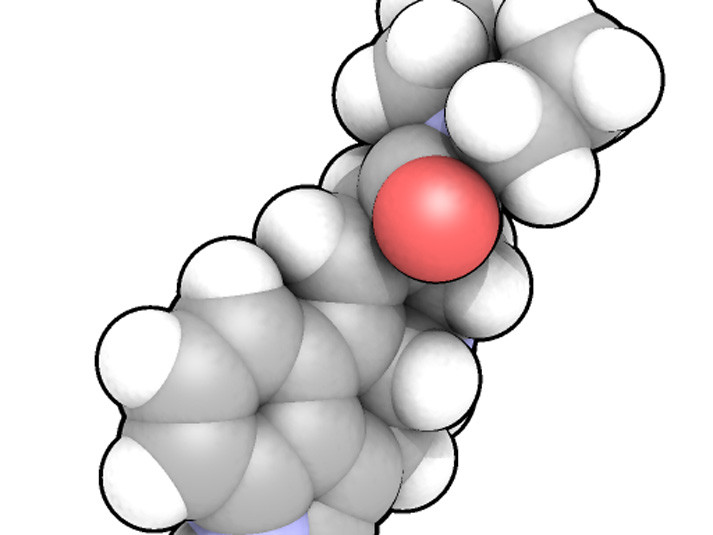
Albert Hofmann never imagined that the product he had accidentally discovered would become a regular item in the underworld.
Inventor: Albert Hofmann, chemist.
Original purpose: He was in the process of researching derivatives of crystalline ergot acid (LSD) in his laboratory in Basel, Switzerland in 1938.
Events and results : Hoffman accidentally swallowed a quantity of LSD while examining its properties. He then initiated a period of widespread dissemination of this drug, which became a regular commodity in the underworld.
11. Sweeteners
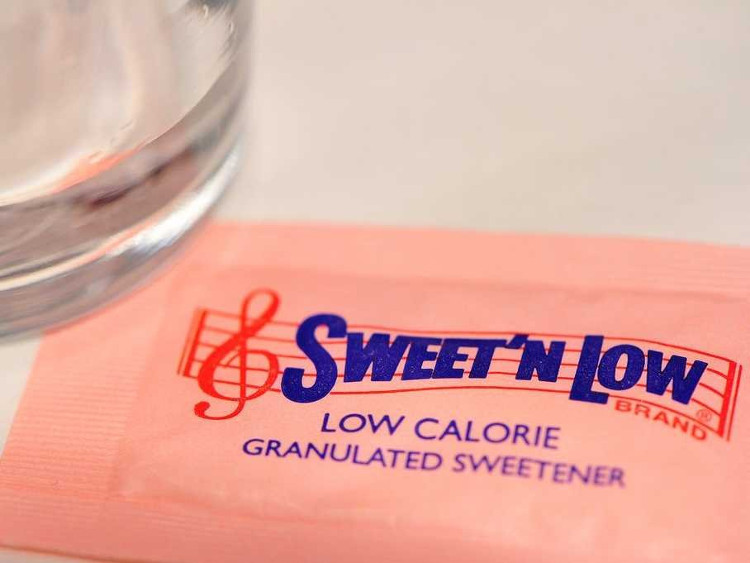
Sweeteners were discovered when Constantine was trying to find a substitute for asphalt.
Inventor: Constantine Fahlberg, Researcher at Johns Hopkins University.
Original objective: To try to find an alternative raw material to asphalt extracted from coal in 1879.
Events and results: One ordinary day, returning home from work, he discovered that the cookies his wife had made that day were sweeter than usual. His wife's secret ingredient turned out to be the source of the artificial sweetener she would later use.
12. Sticky notes

The unique feature of Silver's adhesive is that you can attach a small, lightweight object to it.
Inventors : Spencer Silver and Art Fry, working at 3M Laboratories.
Original purpose : In 1968, Silver created a temporary adhesive in the laboratory, but didn't know what to use it for.
Development and Results : The unique feature of Silver's adhesive is that you can attach a small, lightweight object to it, such as a piece of paper, and remove it from the surface without causing any damage. Furthermore, the adhesive is very long-lasting and can be reused multiple times. However, attempts to find a real-world application for this product have yet to yield results.
A few years later, his colleague Fry was frustrated because he couldn't figure out how to stick some papers onto his choir book at church. And from there, great minds think alike, and sticky notes were born (though they didn't become popular until 1980).
13. Anti-stain solution
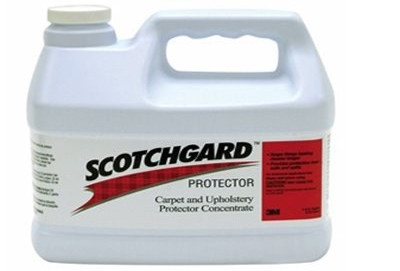
The stain-repelling solution was invented by Pasty Sherman.
Inventor: Patsy Sherman, Chemist at 3M.
Original purpose: In 1953, Sherman was hired for a project developing applications for rubber that would not corrode or degrade when exposed to jet fuel.
Events and results: An assistant accidentally spilled Sherman's experimental solution onto her shoes. She later noticed that while most of her assistant's shoes were soiled around the spilled area, the spot remained "immune." Sherman then restructured the project and focused her research on the antimicrobial compound, which became known as Scotchgard.
14. Cereal products

The original purpose was to soften the grains for processing into oatmeal.
The inventors: John and Will Kellogg, two brothers who shared a passion for entrepreneurship.
Their original goal: They were simply looking for a way to soften the grains so they could make oatmeal.
The process and results : In 1898, two brothers accidentally left a pot of boiling grain in the oven for several days. The mixture gradually spoiled and became moldy, but the remaining product was much harder and thicker. Curious, they repeated the experiment and eventually managed to eliminate the unpleasant spoiled mixture, retaining the final product as we know it today.
15. Penicillin
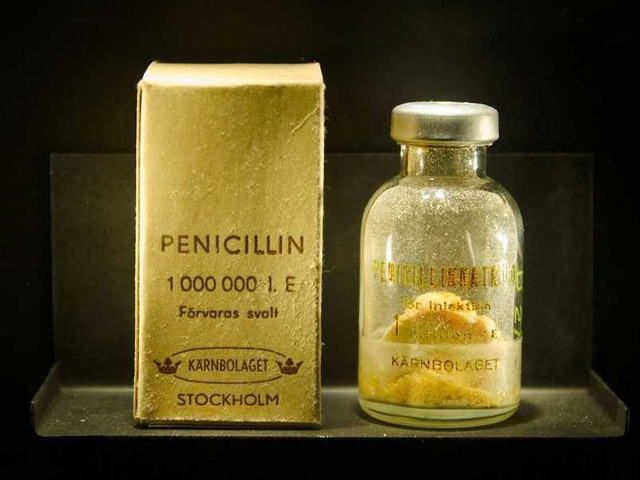
Penicillin is used to treat many types of infectious diseases and inflammations.
Inventor: Alexander Fleming, Scientist.
The original goal: Ironically, Fleming was searching for a panacea . However, a turning point in his life occurred when he realized his research was futile.
Development and Results: In 1928, Fleming noticed that a discarded bacterial culture dish in his laboratory suddenly contained a fungus capable of breaking down all the bacteria surrounding it. When cultured and nurtured in a specific environment, he discovered an antibiotic component within it – penicillin – which could be used to treat many infectious and inflammatory diseases. The result was a significant reduction in mortality rates from these diseases, down to only 1/20 of those in 1900.
16. X-ray imaging method

X-rays have the ability to penetrate all objects, including humans.
Inventor : Wilhelm Röntgen, Physicist.
The original purpose: Röntgen was then struggling with experiments on cathode tubes, and it was at this time that he discovered that radiation could penetrate the outer cardboard of the tube, affecting a compound behind it and causing it to glow.
Development and results: Further research indicated that he had created a new type of radiation, which he named "X-rays," capable of penetrating almost any object, including human skin and flesh.
17. Velcro fasteners
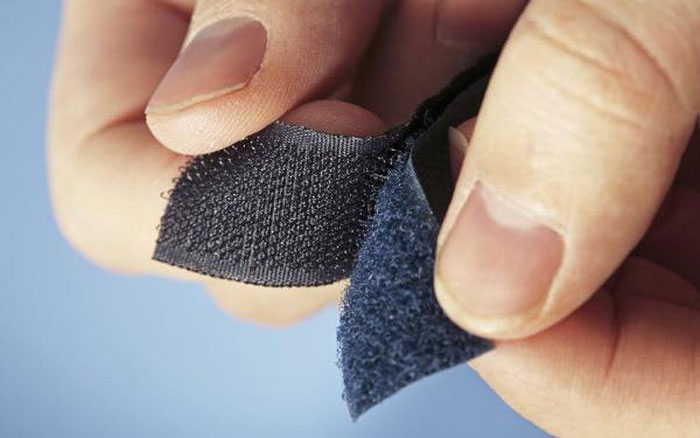
This is an extremely popular product, loved all over the world for its convenience.
This Velcro fastener was patented in 1955. It is an extremely popular product, favored worldwide for its convenience.
In 1995, while walking his pet dog in the woods, Swiss electrical engineer George De Mestral discovered that the sharp edges of burdock seeds had clung to his and his dog's clothes.
When observing these sharp edges under a microscope, he saw thousands of tiny hooks attached to the small loops in clothing. Suddenly, an idea for a double-sided clasp came to mind, which he later wrote about: "One side had hooks as hard as the sharp edges, the other had loops as soft as the fabric in my trousers."
He experimented with many different materials and discovered that nylon was the perfect choice. Thus, the double-sided Velcro fastener, a combination of velvet and hook, was born.
18. Phosphorus
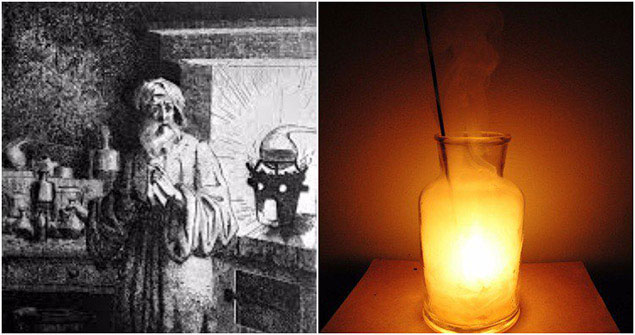
In his quest to transform non-gold substances into gold, an alchemist discovered phosphorus.
A German alchemist, Hennig Brand, accidentally discovered "phosphorus" in 1669 while conducting an experiment to evaporate urine in order to convert non-precious metals into gold. Although Brand was unable to achieve his initial goal of turning urine into gold, he eventually surprised the scientific community by discovering a greenish residue that glowed brightly in the dark, which we now commonly call phosphorus – the 15th element in the periodic table.
Earlier alchemists experimented with many different methods in the hope of transforming non-gold substances into gold. In 1669, a German alchemist named Hennig Brand discovered phosphorus in such a search. In his experiment, he used about 1,100 liters of urine, storing it for several days until it emitted an unpleasant odor. He then boiled the urine at high temperatures, turning it into a mixture in the hope of creating a substance that could convert common metals into gold. However, instead of finding a method for refining gold, alchemist Brand found a strange, glowing residue at the bottom of the flask during the urine concentration process.
19. Tabun poison
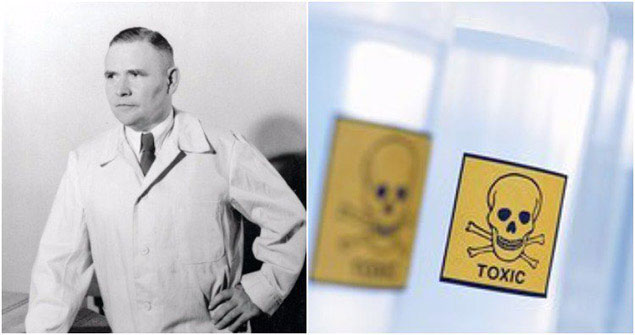
This poison is so potent that even a single drop can cause dizziness, constricted pupils, and difficulty breathing.
In 1936, Gerhard Schrader and his team discovered a new type of "nerve poison" in Germany while tasked with developing and researching pesticides. After two years of intensive research, an extremely toxic organic compound was created and named "Tabun." Tabun was so toxic that when a single drop accidentally fell onto a laboratory chair, Schrader and his colleagues immediately experienced dizziness, constricted pupils, and difficulty breathing.
Many believed that the deadly nature of this nerve agent would cause many deaths during the research process. But in reality, it was German chemist Gerhard Schrader and his team who were victims, facing life-threatening dangers such as difficulty breathing and temporary hearing and vision loss while working to end world hunger. Working for IG Farben in a laboratory in Leverkusen to create a new pesticide, Schrader accidentally discovered a colorless, highly toxic compound believed to be extremely effective in killing insects.
However, after some time, Schrader's research team realized the extreme toxicity of Tabun; even a tiny drop leaking out could have adverse effects on humans. During World War II, the Nazis summoned Schrader to focus on research with the goal of developing and producing Tabun as a chemical weapon.
20. Vulcanized rubber
American scientist Charles Goodyear spent a decade of his life trying to make rubber easier to use and more resistant to heat and cold. However, his research was unsuccessful.
One day, he accidentally poured a mixture of sulfur and rubber into a hot furnace. Under the high temperature, the rubber melted but did not deteriorate, forming a waterproof and corrosion-resistant compound. From this discovery by Charles Goodyear, many vulcanized rubber products were created and used everywhere.
21. Antimalarial drugs
Quinine is an antimalarial compound derived from tree bark. It is now commonly found in quinine-flavored mineral water, as well as in antimalarial medications.
Jesuit missionaries in South America used quinine to treat malaria as early as the 1600s. But legend says they learned from the experience of the indigenous Andean people.
The story involves an Andean man who got lost in the forest and contracted malaria. Feeling thirsty, he drank from a puddle under a quina-quina tree.
The bitter taste of the water made him fear he had drunk something that would worsen his illness, but the opposite happened. After his fever subsided, he was able to find his way home and share about the medicinal plant with others.
22. Bubble wrap
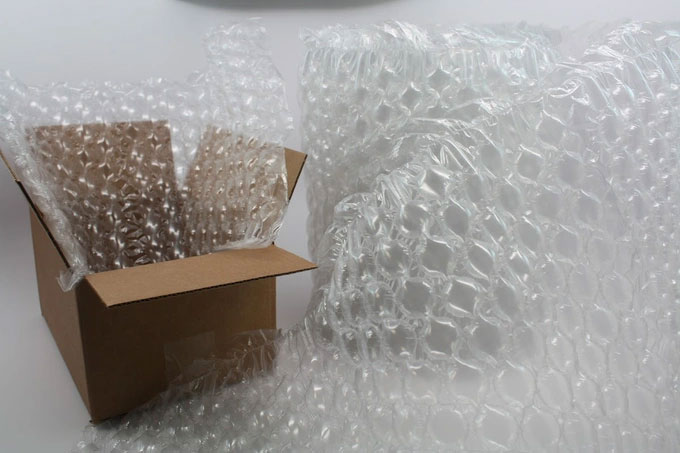
In 1957, two Swiss engineers, Alfred W. Fielding and Marc Chavannes, attempted to create a type of wallpaper with a design that stood out from existing wallpapers.
By bonding two layers of film together, they succeeded in creating a new type of wallpaper with a rough surface and a rather unique look, but ultimately nobody bought it.
It wasn't until 1959 that a marketing employee came up with the idea of using wallpaper created by Alfred W. Fielding and Marc Chavannes as a protective cushion for computers, thus preventing them from being damaged or broken during transport to customers.
Today, this type of adhesive is known as bubble wrap and is widely used in many industries such as food, construction, healthcare, and fashion.
23. Viagra
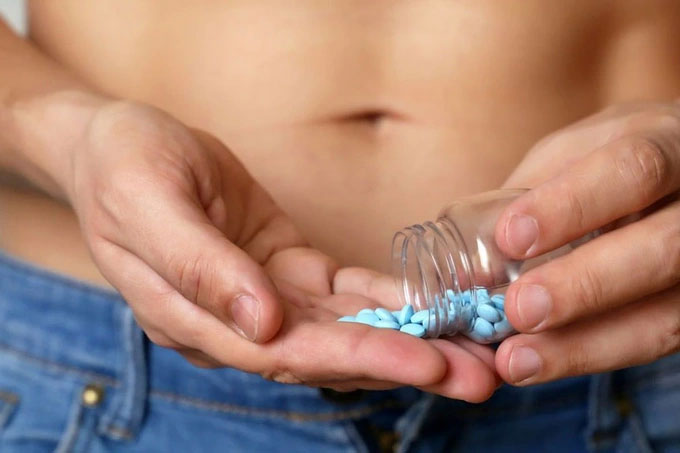
In the 1990s, researchers at the pharmaceutical company Pfizer were working on a new drug to treat high blood pressure and angina.
The drug is called Sildenafil , and they tested it on male volunteers. Unfortunately, the product had very little effect on angina.
Instead, patients reported a noticeable side effect: their penises remained erect for at least 30 to 60 minutes after taking the medication.
Pfizer didn't take long to recognize the enormous potential of this drug and quickly patented it in 1996. To date, the product has been used to treat erectile dysfunction in over 30 million men in the United States alone.
- The mystery of the "ghostly" footprints in the desert: They only appear when it rains and disappear when the sun shines.
- We are living on land that rose from a giant meteorite.
- Rainwater around the world contains carcinogenic chemicals and its use is discouraged.