Don't miss the opportunity to admire rare photos of dwarf planet Ceres.
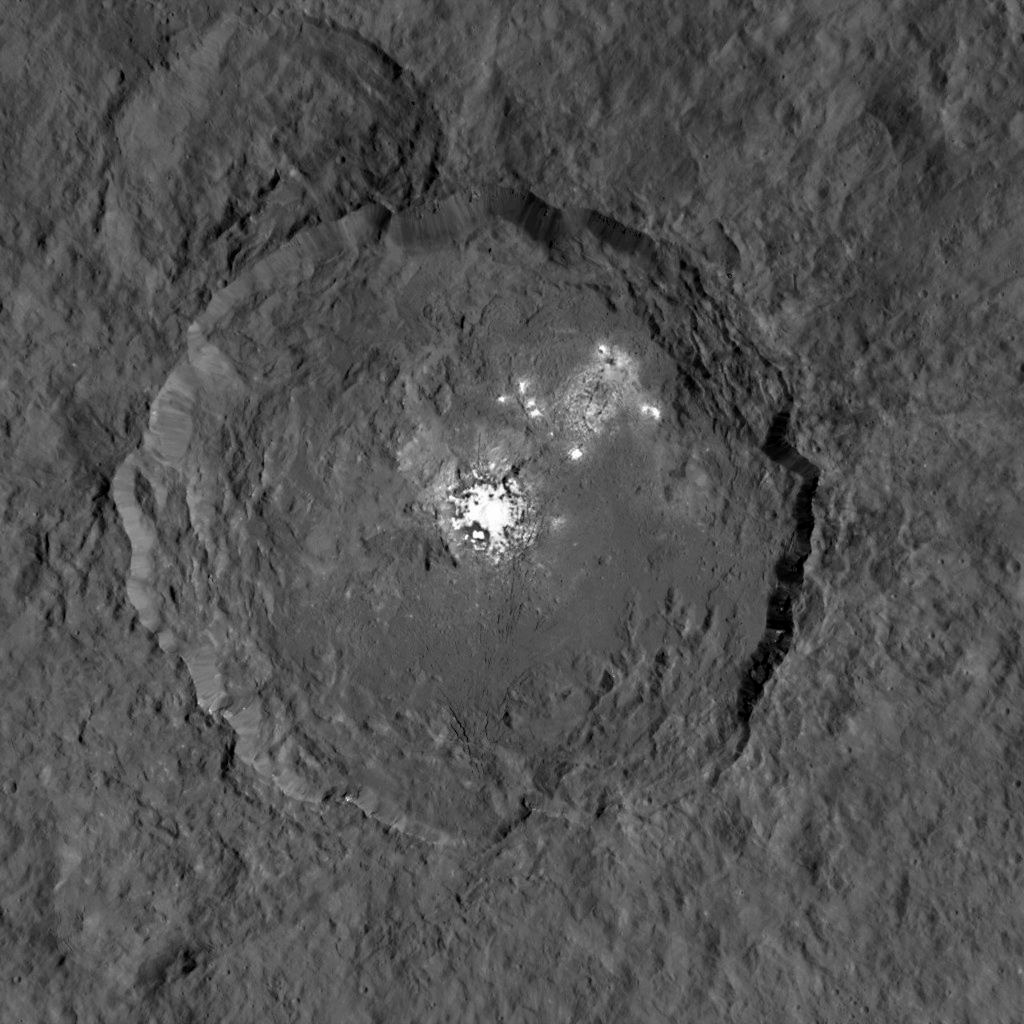
Ceres is the largest asteroid in the solar system, discovered by NASA's Dawn spacecraft in 2015. In the image is a strange light spot that has just been discovered on Ceres dwarf planet.(Photo source: Space.com)
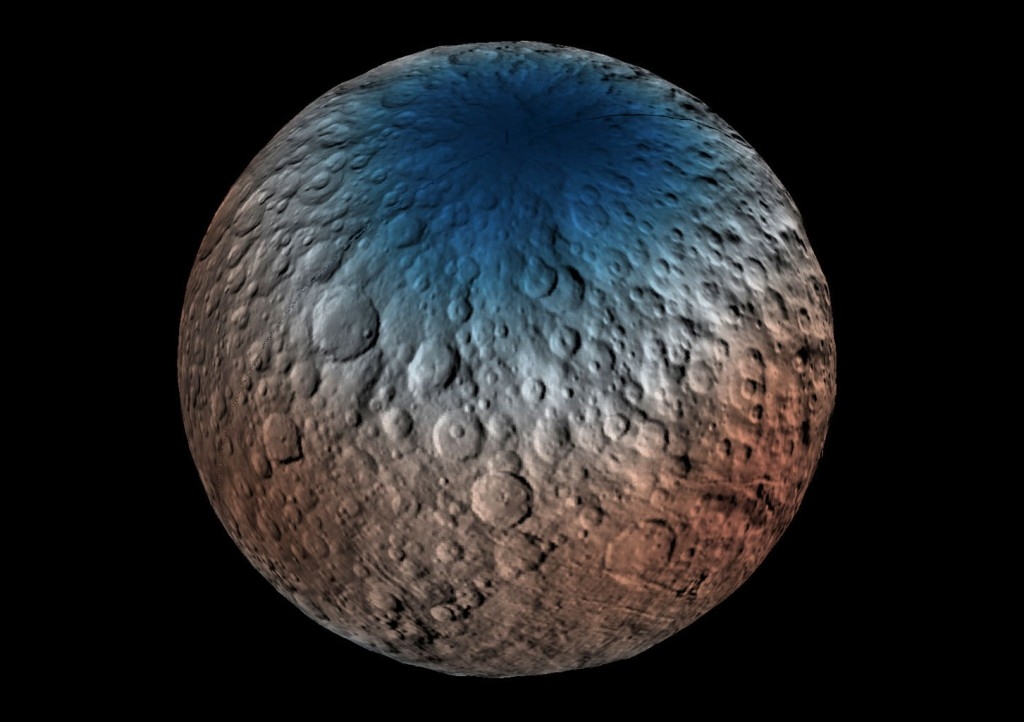
Partial Northern Semi-dwarf planet Ceres is captured by gamma rays and Neutron detectors.(Photo source: Space.com)
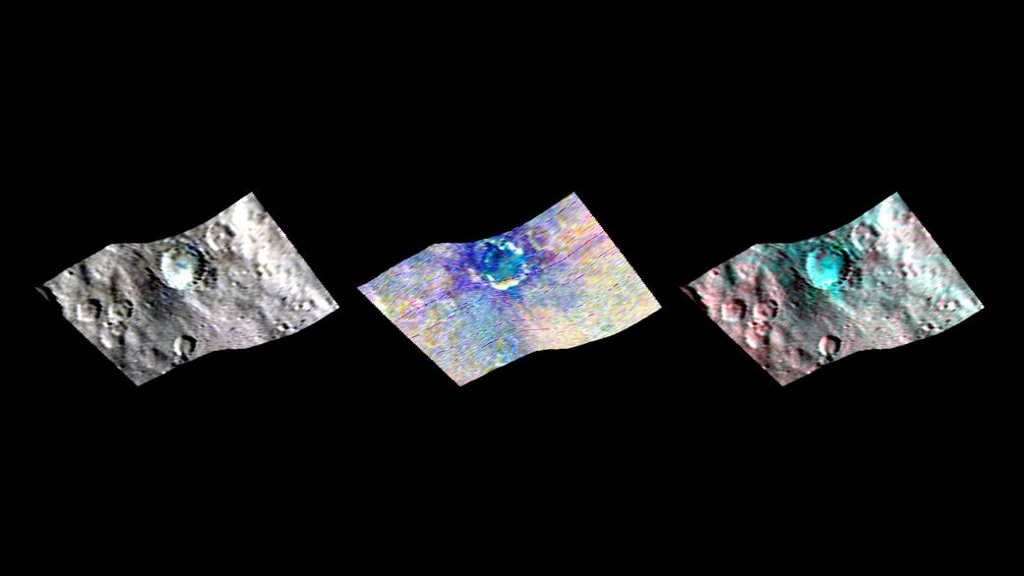
NASA's Dawn spacecraft uses an infrared spectrum mapping (VIR) to observe Ceres asteroids.(Photo source: Space.com)
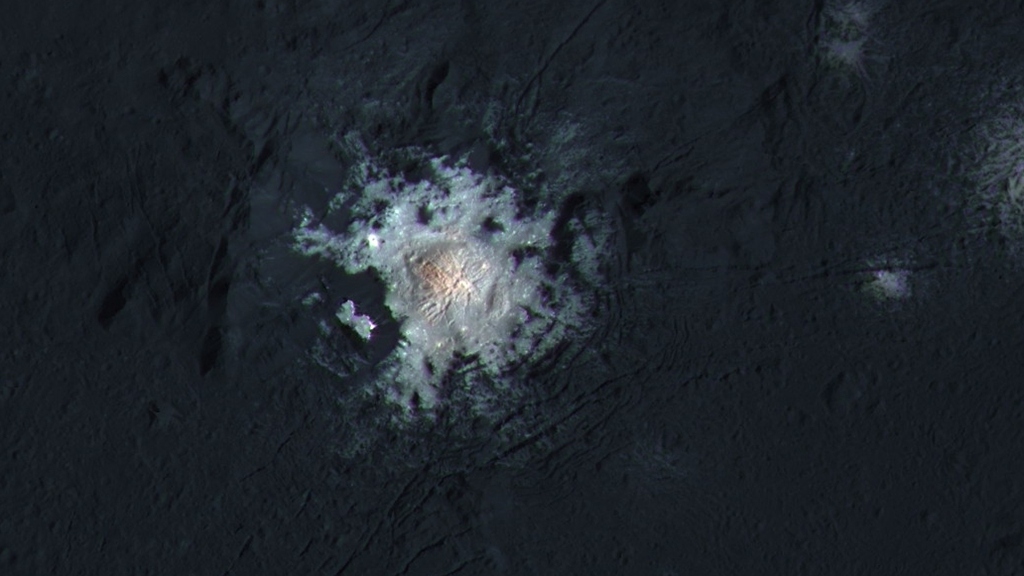
Another bright spot appears strangely on the surface of Ceres's planet with unprecedented brightness.(Photo source: Space.com)
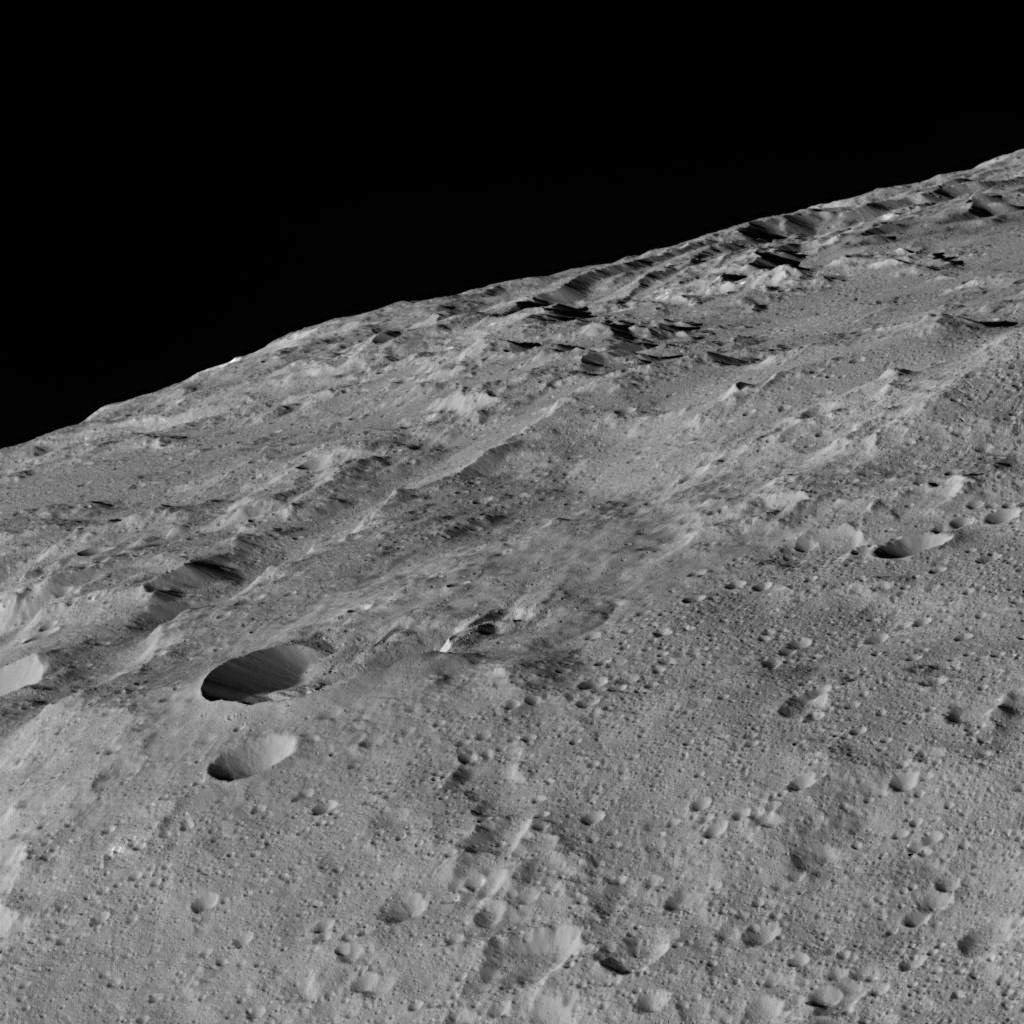
This is a mouth chain of volcanoes called Gerber Catena that form on the surface of Ceres.(Photo source: Space.com)
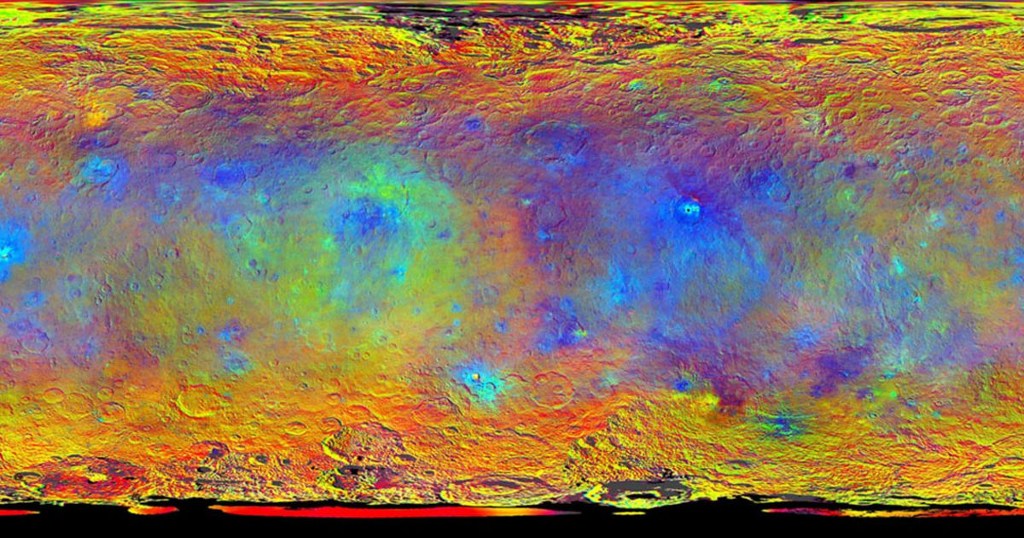
This is a project of measuring geological surface elevation on dwarf planet Ceres.(Photo source: Space.com)
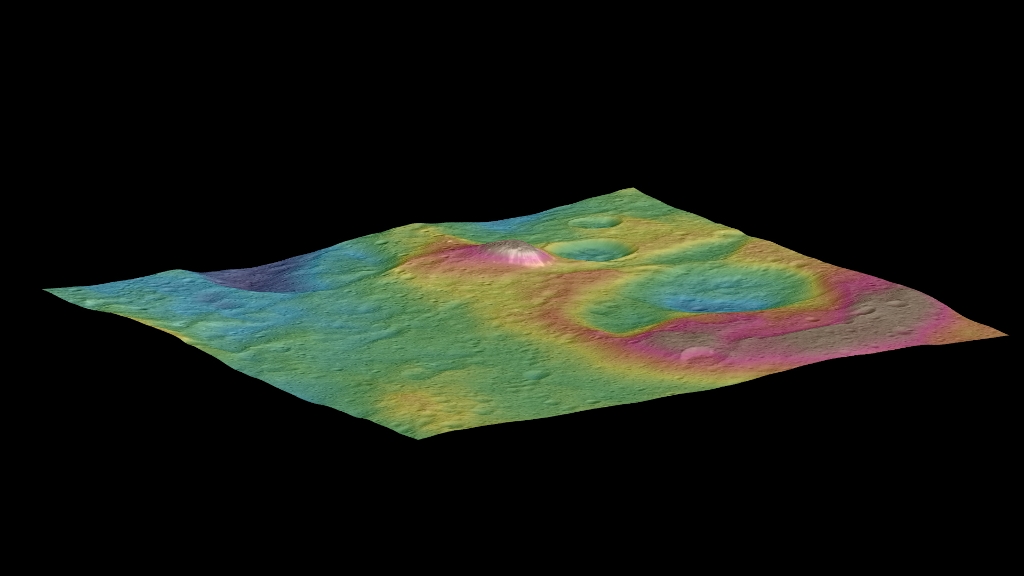
Detecting a tall conical mountain on Ceres.(Photo source: Space.com)

A crater known as the largest on the dwarf planet Ceres.(Photo source: Space.com)

Ceres dwarf planet was seen by Dawn space probe on January 13, 2015 in infrared and infrared light.(Photo source: Space.com)

The dwarf planet Ceres is seen from a distance of 238,000 miles (383,000 km).(Photo source: Space.com)

Accidentally saw the phenomenon of strange gas evaporation on the surface of dwarf planet Ceres.(Photo source: Space.com)

Simulate the geological layers inside Ceres.(Photo source: Space.com)