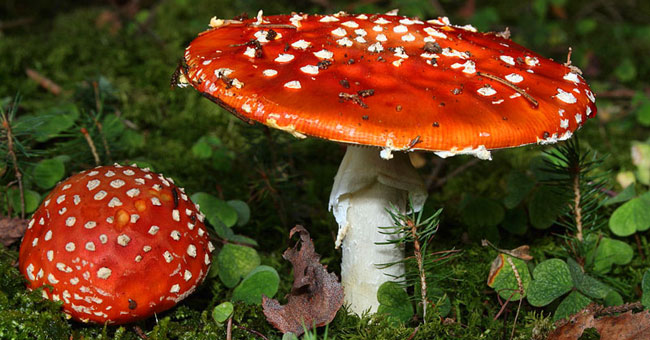
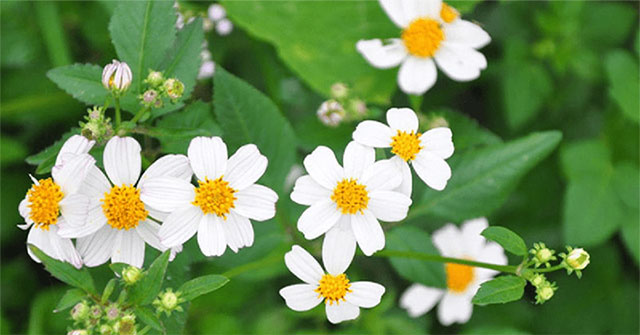
Constantly changing the shape and color to match the harsh living environment on Earth. More and more strange insects are discovered by scientists.
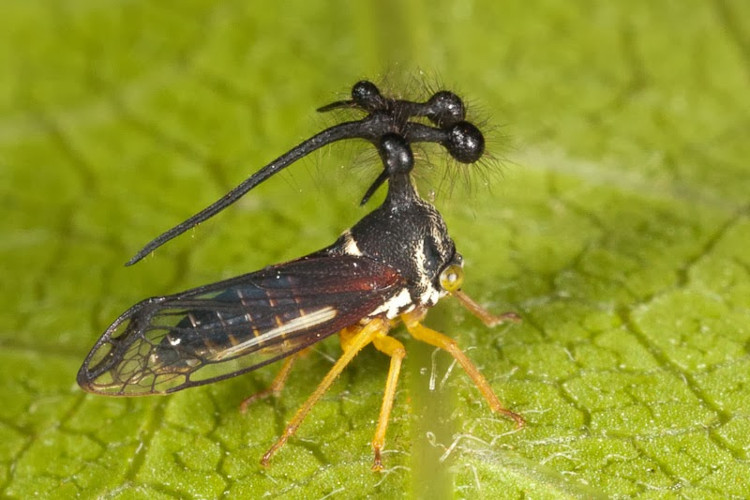
For some reason, this Treehopper bug can be born and survived in Brazil.Looking at this image makes people feel chilled by the bizarre "decoration" that doesn't touch the bosom and horn of this bizarre insect.(Photo: Thethaovanhoa).
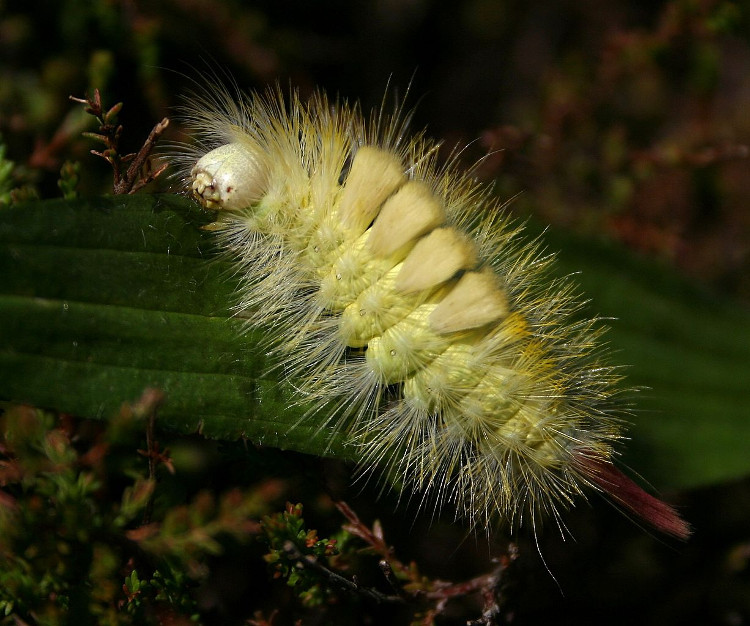
Are you looking at it?The whole body of this animal is covered with sharp spikes that look like porcupine hairs that are ready to attack the enemy if it intends to get close!This type lives mainly in Denmark and is considered one of the most dangerous destructive insects, because in 1988, they had eaten 20 hectares of oak forest here.How scary if they attack Vietnam?(Photo: Thethaovanhoa.)
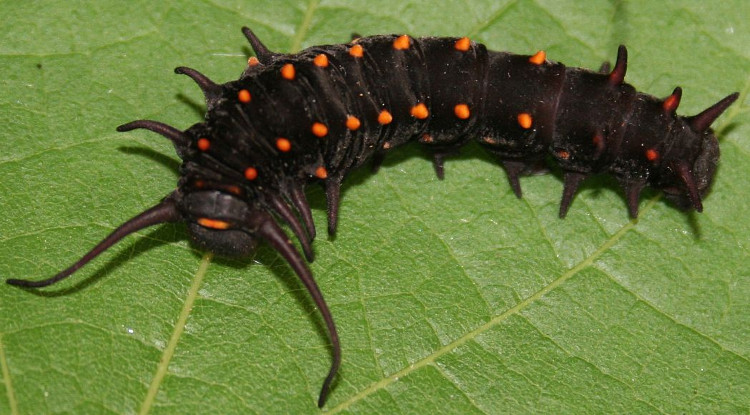
Looking at it, it was thought to be an unusually deep worm, but it was exactly a kind of caterpillar found in North and Central America.This species has iridescent black color with the rear wing is blue, on its back there are two rows of distinctive red-orange "warts" along with different long short legs.(Photo: Thethaovanhoa).
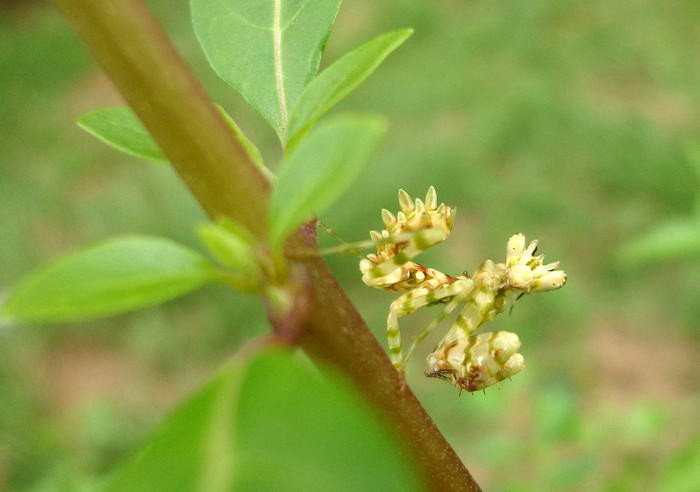
With an exceptionally special appearance, thorny flower mantis appears like a beautiful flower that makes viewers "dizzy" because they have to look very hard to recognize them.They are quite small, but don't be fooled by the cute looks, because they are known as an assassin with lightning reflexes.Admit it!When surfing to this image, do you immediately recognize this bug?(Photo: Thethaovanhoa).
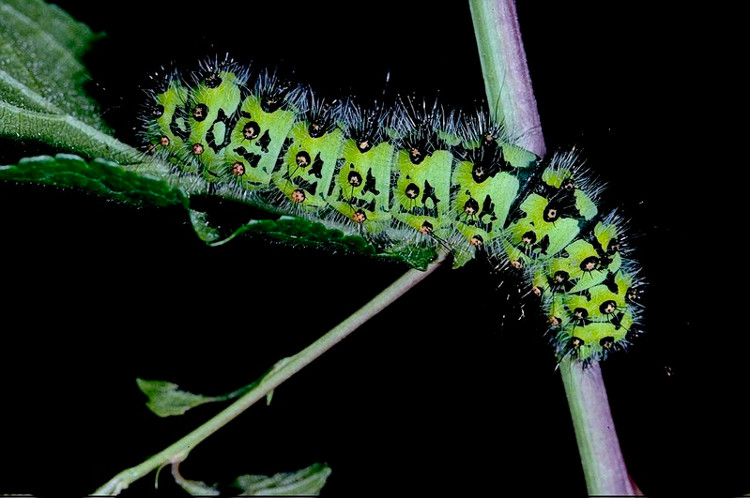
This insect found in South America makes viewers really surprised by the color on its body.It can "transform" based on age and dizzying living environment.(Photo: Thethaovanhoa).
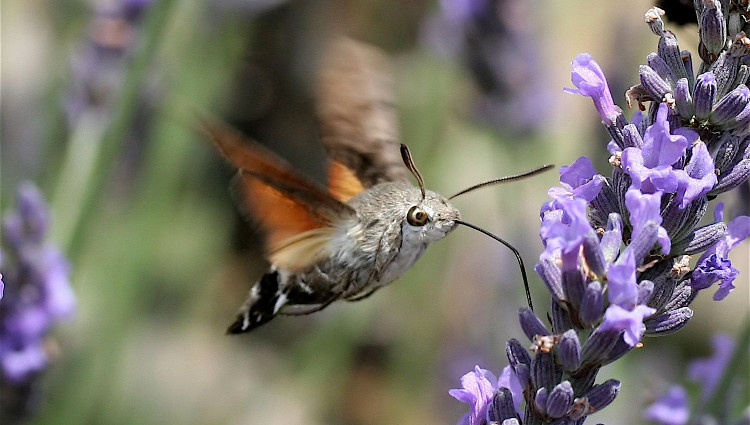
At first glance, the regime will think it's a tiny bird.But it turned out to be a butterfly with the same head as a bird.Their front wings are brown with black wavy lines and orange rear wings that are very eye-catching.(Photo: Thethaovanhoa).
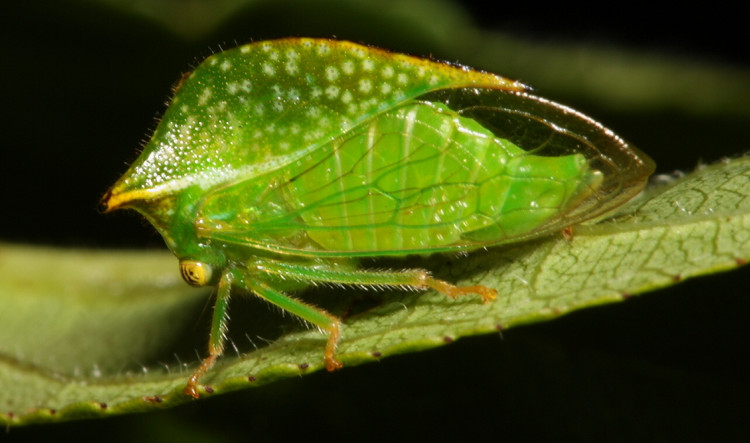
This is the most strange insect of the Earth.The popular color is mainly green, the neck and the chest are the thorns with distinct shapes so they turn into the most bizarre species in the world.(Photo: Thethaovanhoa).