In recent years, with the constant raising of awareness of environmental protection, people are increasingly concerned about protecting animals.
Tiger bones and meat have long been used as precious Chinese medicine, but now tigers are considered one of the rarest wild animals in China and many other Asian countries, so this animal has received much attention and protection. So how will zoos deal with the tiger's corpse?
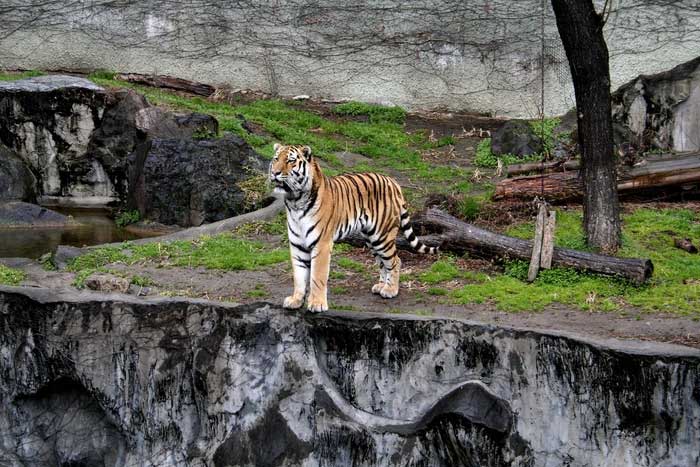
Tigers are considered one of the rarest wild animals.
The international mainstream theory believes that tigers were born on Earth about 2 million years ago, and by 110,000 years ago, they rapidly distributed across the Asian continent, experiencing habitat isolation, climate change, genetic drift and natural selection. and gradually differentiated into many subspecies.
Tiger in the zoo
Tigers are big cats, tigers in zoos are pampered and live a life of 'reaching out for clothes, opening their mouths for food' , however, due to many factors such as age, illness, natural disasters, they will still die according to the laws of nature.
After a tiger dies in a zoo, an autopsy and pathogen testing are often performed to determine the cause of death and medical condition.
Including extinct species, modern tigers can be divided into nine subspecies: Siberian tiger, South China tiger, Bengal tiger, Indochinese tiger, Malayan tiger, Sumatran tiger, Javan tiger, Bali tiger, Caspian tiger. Of these nine tigers, the inland tiger subspecies are larger than the island tigers.
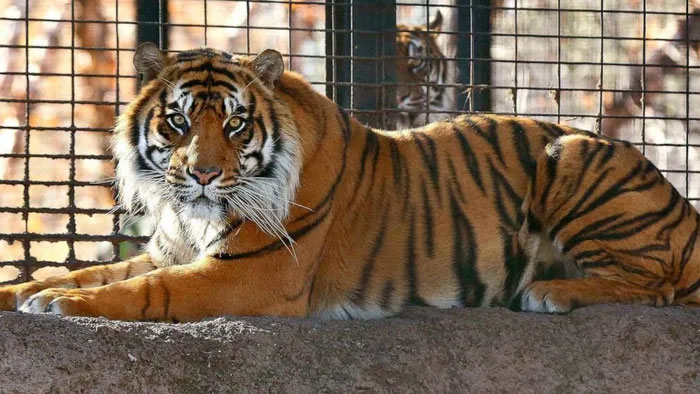
Due to many factors such as age, illness, natural disasters, tigers will still die according to the laws of nature.
Tiger carcass disposal
Autopsy: In zoos, after a tiger dies, an autopsy is the first thing that is done. Necropsy is the process by which scientists dissect and examine the body of a dead animal to understand the cause of death and the pathological condition of the tiger, which is of great significance for disease research and animal protection.
During the autopsy, an in-depth examination of the tiger's internal organs is performed to look for internal injuries to better understand the cause of death.
The ancestors of modern tigers are ancient Chinese cats. In 2015, a DNA study demonstrated that the South China tiger is the oldest branch of modern tigers, confirming the hypothesis that modern tigers originated in East Asia.
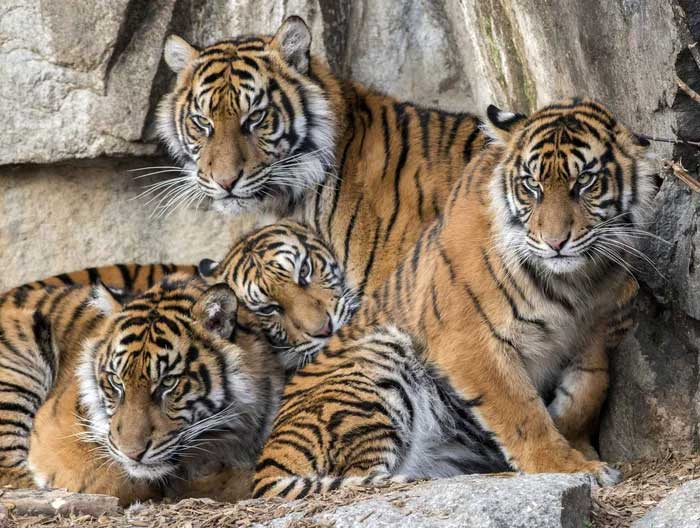
The ancestors of modern tigers are ancient Chinese cats.
Etiology testing: After the autopsy, the zoo will also conduct pathogen testing. Etiology detection refers to the process of detecting pathogens, including bacteria, viruses, parasites, etc.
After a tiger dies, pathogen detection can quickly determine which pathogens it carries, avoiding the spread of pathogens and infection to other animals.
After the emergence of modern tigers, there were virtually no super-large predators on Earth that could compete with them, which allowed tigers to spread rapidly, laying the groundwork for future subspecies differentiation.
Anatomy Education: Although tigers are rare and precious wild animals, their death is inevitable in zoos. In some higher educational institutions such as universities, high schools, etc., tiger carcasses are also used for anatomy education purposes.
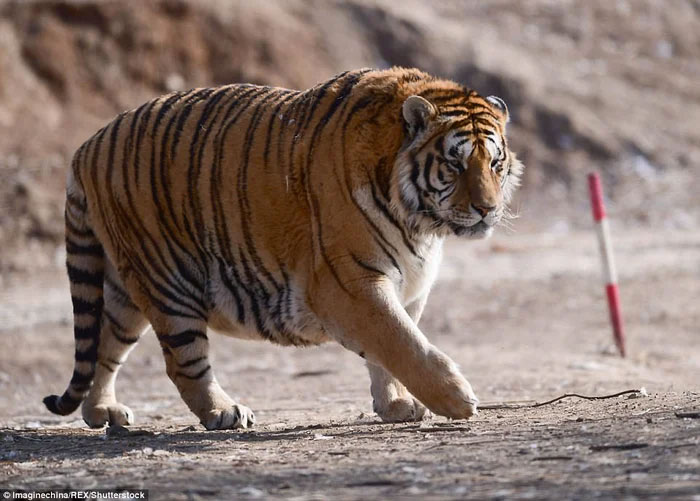
Through dissecting tiger corpses, students better understand the anatomical structure and physiological characteristics of tigers.
Anatomy education refers to the process of educating about the anatomy of animals or humans. Through dissecting tiger corpses, students better understand the anatomical structure and physiological characteristics of tigers, and at the same time provide useful knowledge to improve animal protection and disease prevention.
Making specimens: Some scientific research agencies and museums also receive tiger carcasses to make specimens for research and display.
The process of making specimens requires many complicated steps such as drying and treating tiger carcasses with acid to ensure preservation time and effective display. Tiger carcasses used as specimens can provide valuable information for scientists studying ecology and animal protection.
Cremation: Although tiger bones and meat were once rare medicinal herbs in China and many other Asian countries, they are no longer used as medicinal herbs today because the community's awareness of animal protection has increased.
After a tiger dies, some zoos will cremate its body to prevent it from becoming a source of environmental pollution. Cremation can completely remove the tiger's body and reduce its impact on the environment.
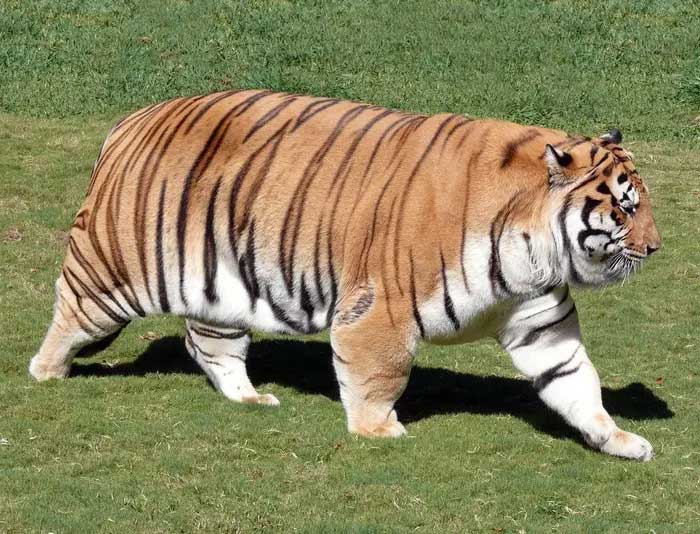
Tiger carcasses can also be used as specimens for scientists to study.
Burial: In some areas, after a tiger dies, the zoo will bury its body. Burial is the process of burying an animal's body in the ground. Burial can ensure that the tiger's body will decompose and disappear, avoiding pollution and harm to the environment.
Tigers are rare wild animals. In handling tiger carcasses, scientists will conduct autopsies, detect pathogens, and thereby provide useful knowledge for animal research and protection.
At the same time, tiger carcasses can also be used as specimens for scientists to study. In the process of handling tiger carcasses, protecting animals and the environment is also very important, so zoos often carry out cremation or burial.