People in the village of Zisiqiao in Zhejiang Province, eastern China, have had more than 40 years of snake farming. More than 80% of the villagers participate in this special industry. The South China Morning Post has an interesting reportage here.
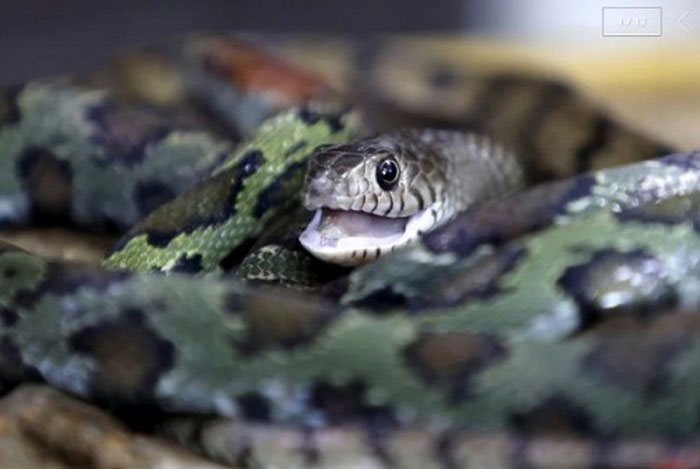
Zisiqiao village workers in China feed millions of snakes each year to supply raw materials for traditional Chinese medicine.
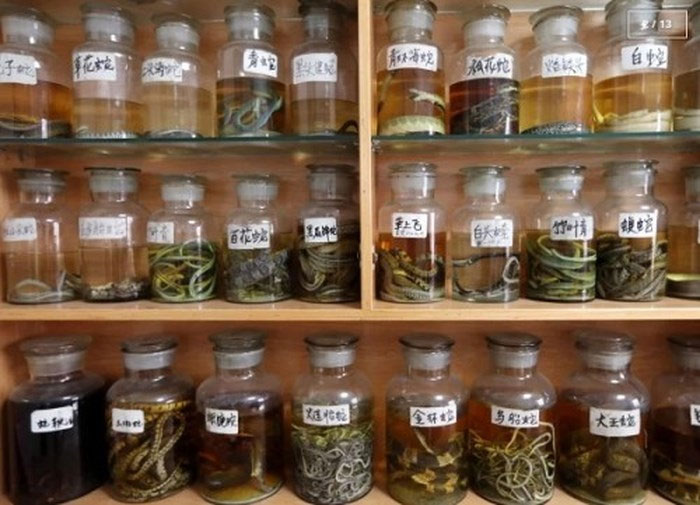
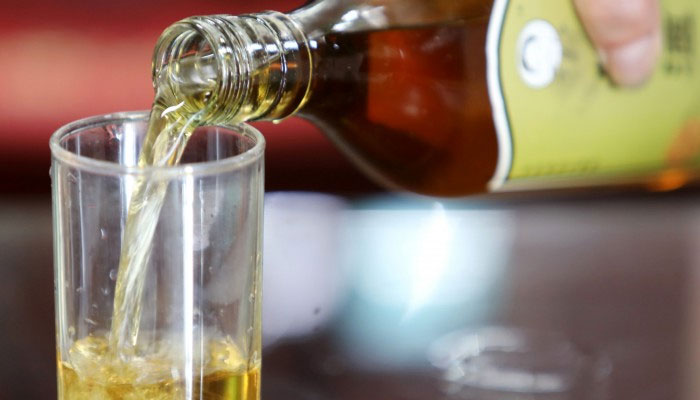
Snake soaked wine is on display at Yang Farong snake farm in Zisiqiao village.The wines here are very diverse and advertised with good health effects.
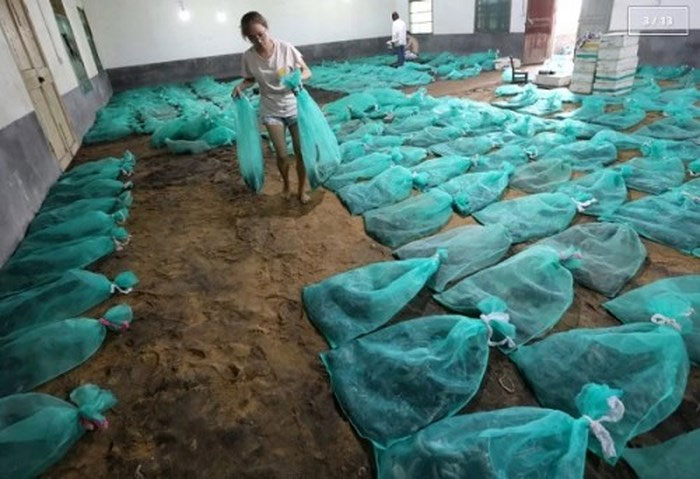
Yang Xiaoxia, a Chinese medical university graduate, placed a plastic bag containing a snake that is laying eggs in a sand-covered room - the ideal breeding ground for the reptile.
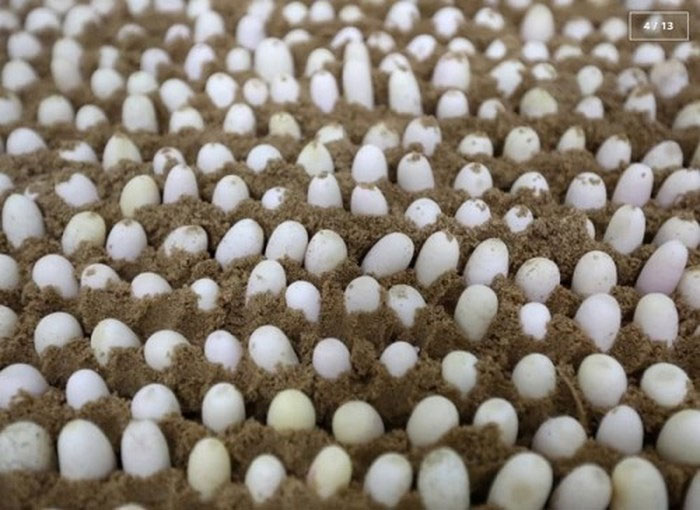
Snake eggs are covered with sand to incubate at Yang Farong snake farm in Zisiqiao village.
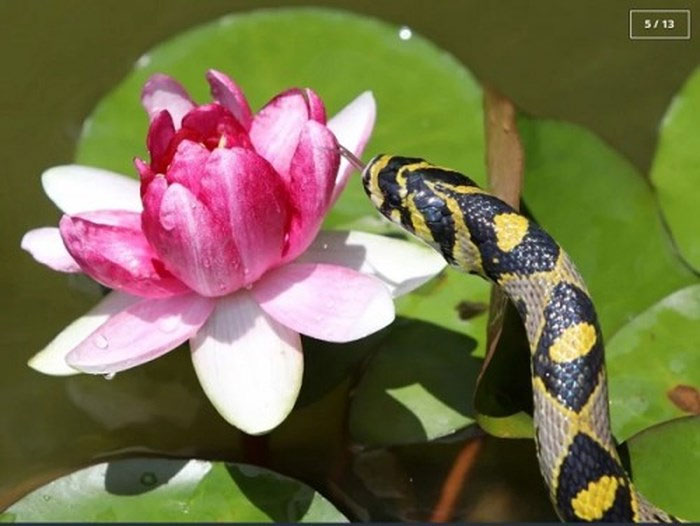
A snake Mandarinus Euprepiophis (often called Chinese rat snake) is crawling up a cluster of lotus water in the pond.
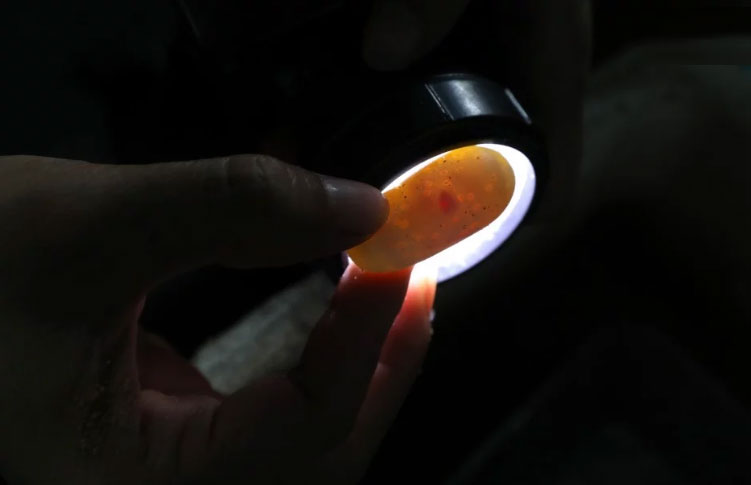
Yang Xiaoxia checks the quality of snake eggs at the family's solid farm.
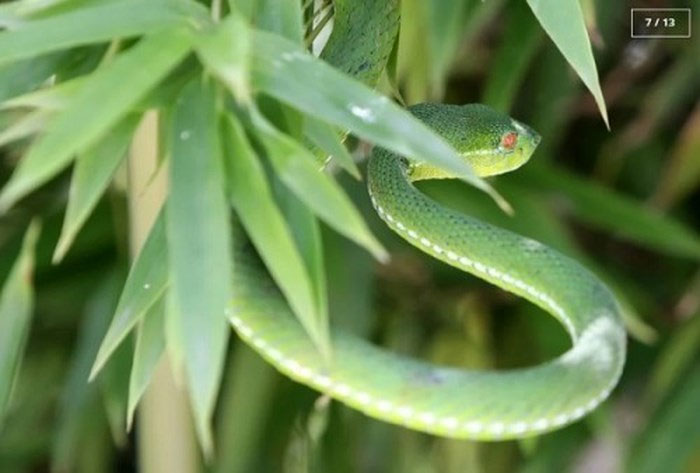
Snake Trimeresurus stejnegeri (commonly called Chinese green snake) crawls on bamboo culms.
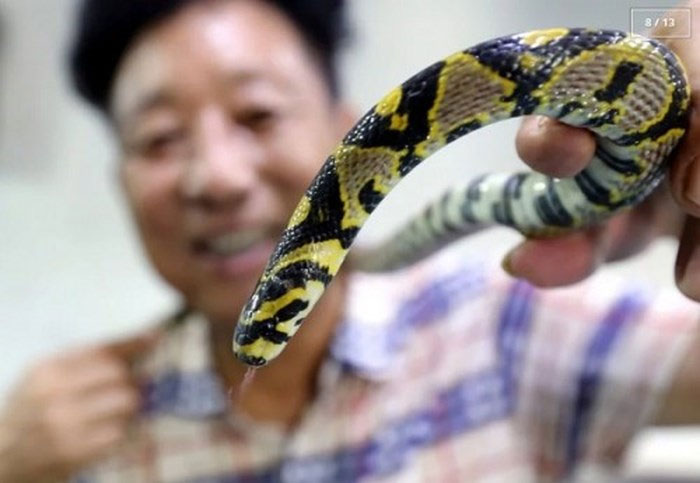
Yang Hongchang, nicknamed "snake king" , took pictures with an Euprepiophis mandarin snake.
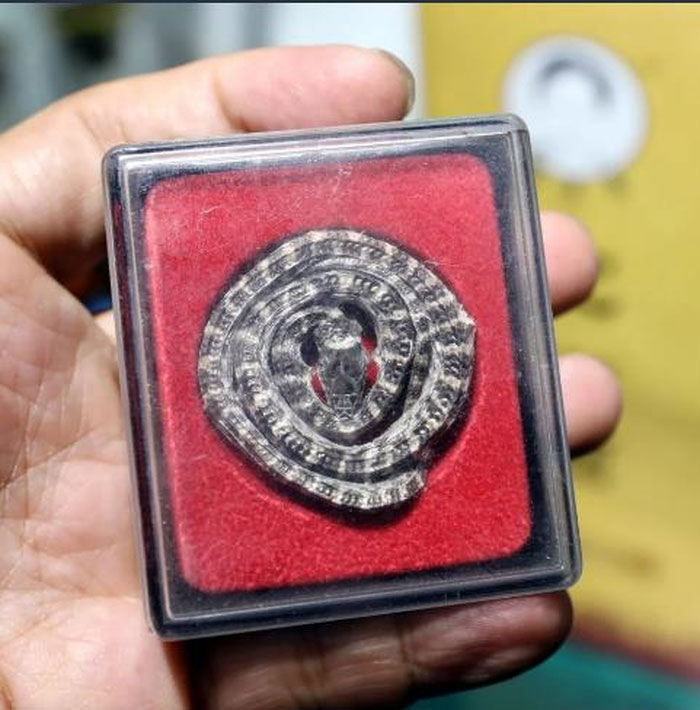
A curled, dried snake specimen is displayed in the village of Zisiqiao.
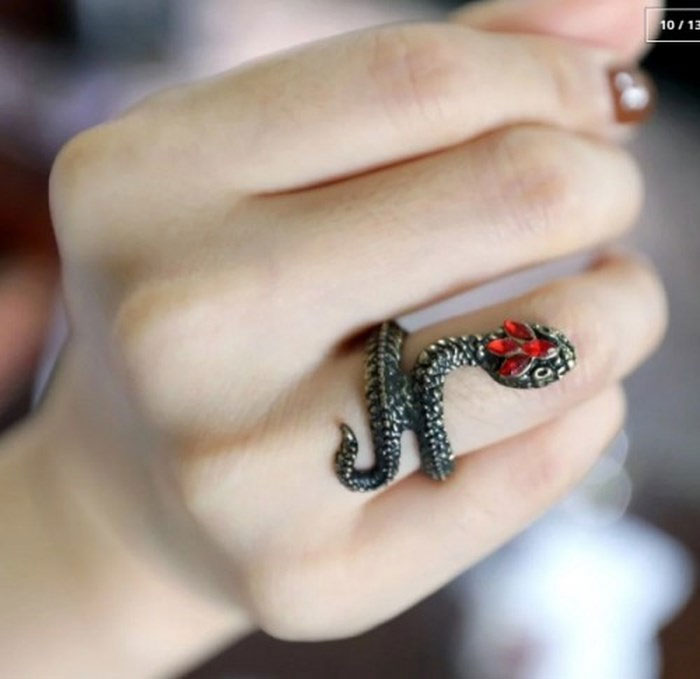
Although some villagers have switched to fish farming or weaving silk scarves, snake trade is still the most popular occupation in Zisiqiao.
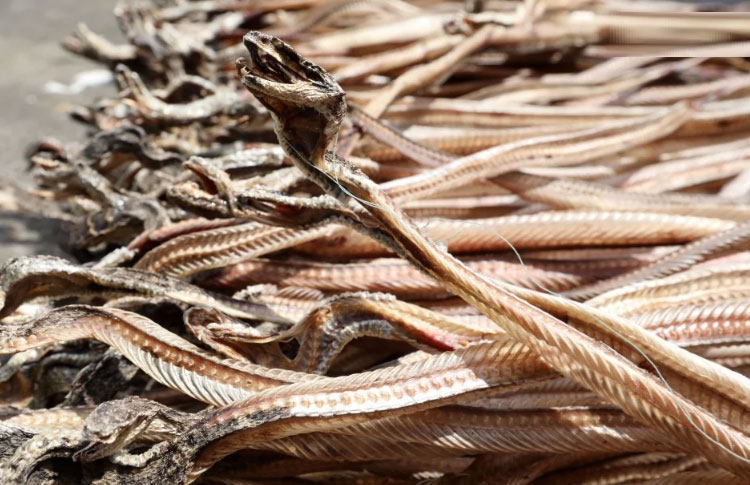
All snakes are usually pulverized or mixed with alcohol to process drugs to remedy skin inflammation, joint pain .
While snakes have long played an important role in traditional Chinese medicine industry since ancient times, new products made from snakes such as jewelry, fashion towels . are also increasingly develope.
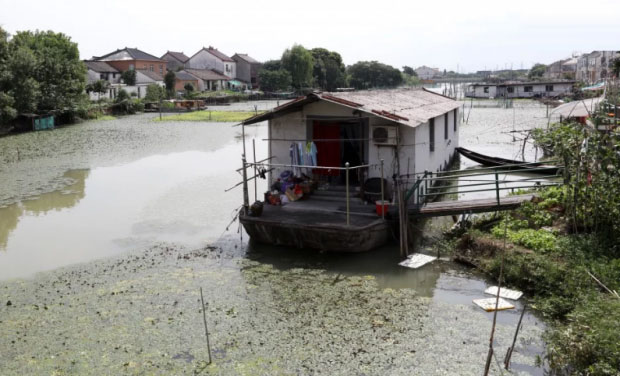
Some villagers Zisiqiao are now worried about the development of this industry, especially for the environment and social issues.