Rosin, oil, vegetable fat and herbal aromatherapy are important ingredients in the fabric of Egyptian prehistoric mummy cloth.
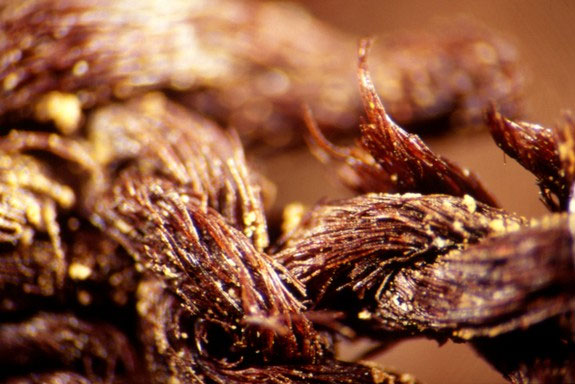
A recent study by experts shows that prehistoric Egyptians began embalming 1,500 years ago, earlier than predicted by previous scientists.They draw that conclusion after studying linen fibers from mummy cloth in Mostagedda cemetery, Egypt.Currently flax fiber is located in the Bolton Museum in England.
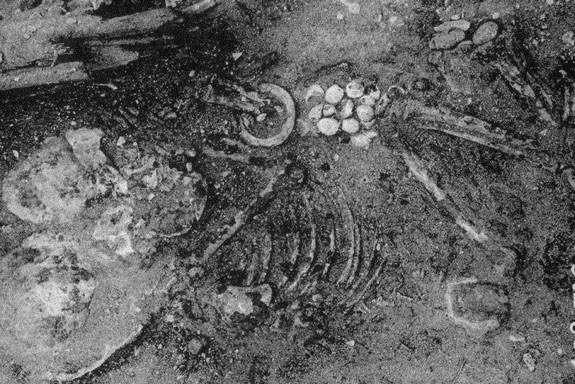
Guy Brunton, an English archaeologist, once discovered Badarian culture in Egypt.Badarian culture flourished from 4,400 to 4,000 BC, long before the pyramids were born and the Pharaoh seized power.The tomb in the picture is the Badarian resting place that Brunton once excavated in the 20s of the last century.
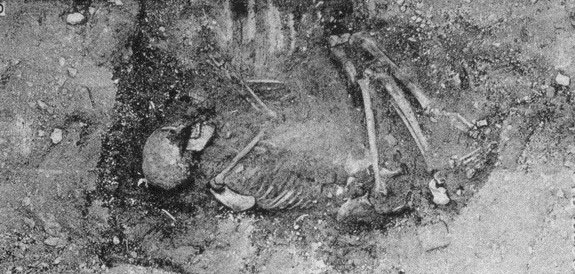
Badarian people are very interested in dead bodies.So protecting the mummy is one of the unique features in their culture.
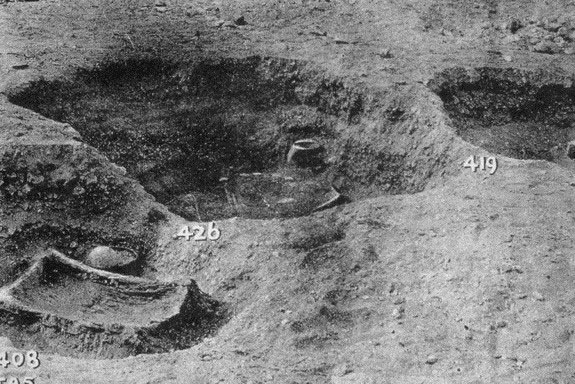
Archaeologists still believe that the corpses during the period from 4,500 to 3,100 BC, are well preserved because they lie between dry and hot sandy deserts.
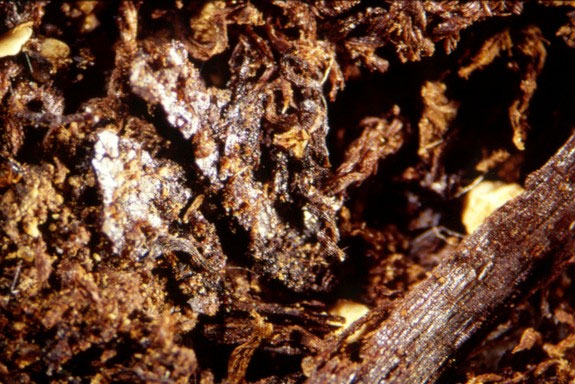
A group of scientists analyzed dozens of samples of the late Egyptian cloth that Brunton discovered during excavations nearly 100 years ago.
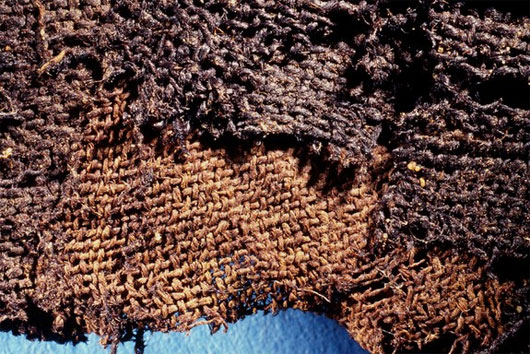
Ingredients of mummy cloth include fat, animal oil mixed with turpentine, aromatics from herbs, sugar, and vegetable resins.
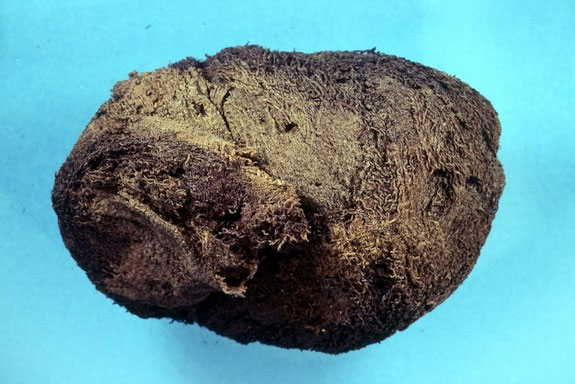
Ancient people soaked cloth into resin.Ancient Egyptians imported pine resin from another country.
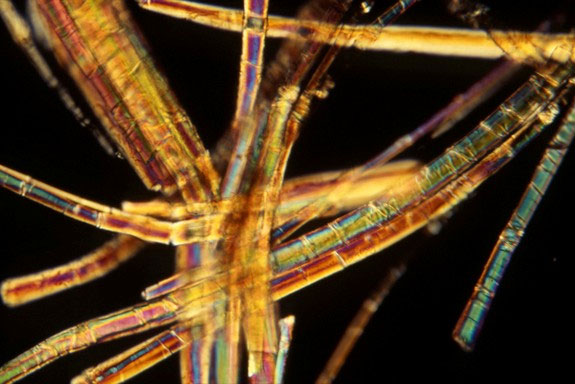
Images of linen yarn when magnified 150 times.
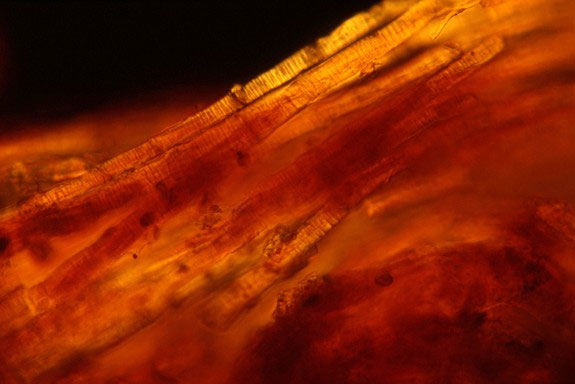
The plastic in the linen was visible after the researchers soaked them in the solvent for a week.
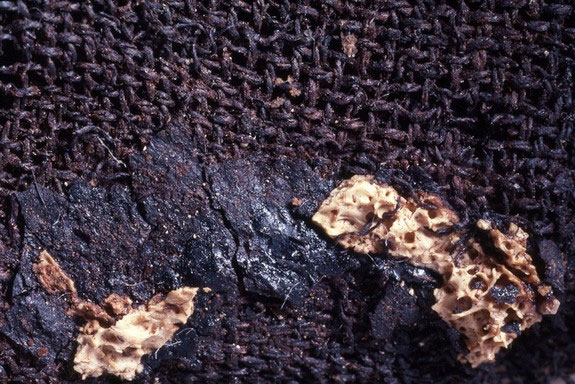
The resin has antimicrobial properties so the microorganisms cannot penetrate the mummies.
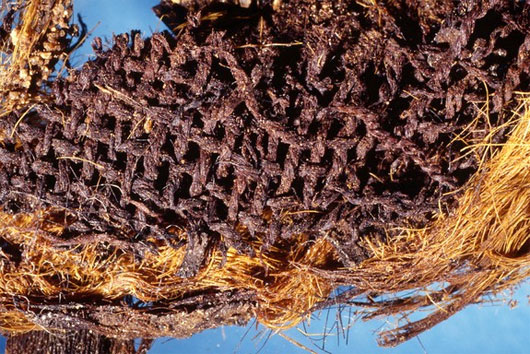
When mummified, the ancient Egyptians used animal skin to cover the linen.