Grapes, fish, green vegetables, pork, pomegranate . are selected by some countries for the occasion of the beginning of the year, hoping to have a prosperous, healthy and lucky year.
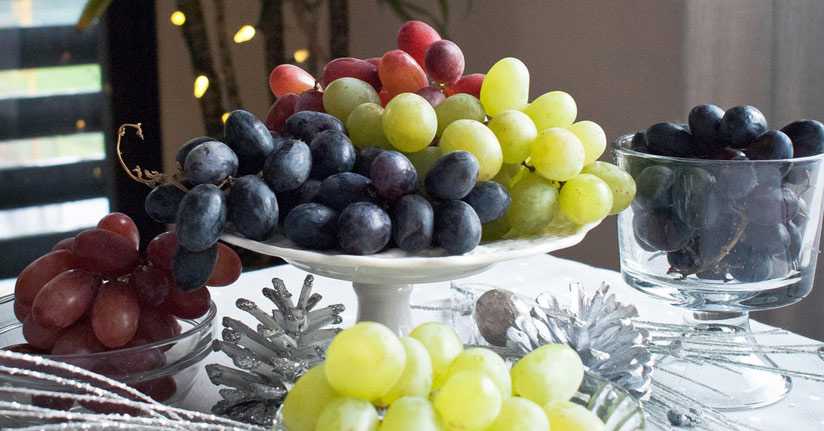
Grapes : The Spanish eat 12 grapes when the clock scores 12 hours according to the bell.This tradition dates back to 1909, when Alicante's vineyards made this to solve the excess grapes.Later, this idea spread to Portugal and regions once colonized by Spain and Portugal such as Venezuela, Cuba, Mexico, Ecuador, and Peru.(Photo: Popsugar.)
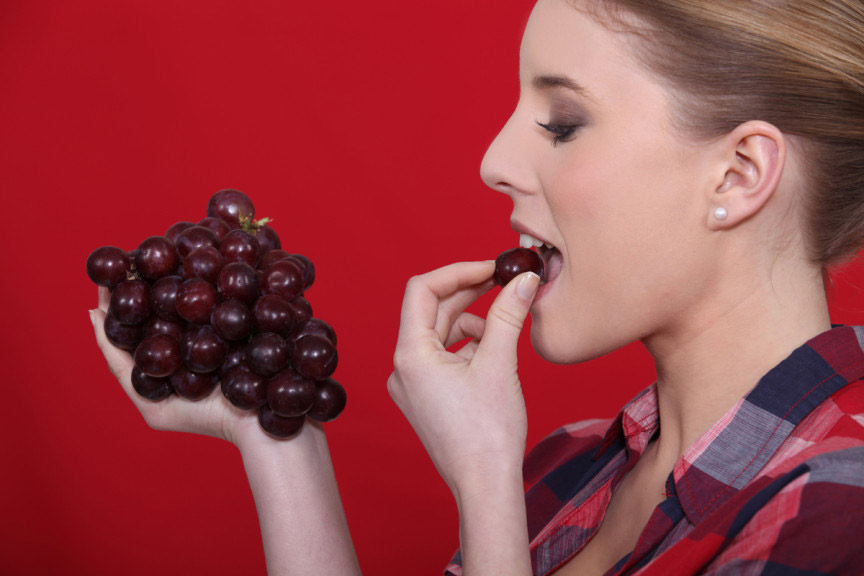
Each fruit represents a month, for example if the third fruit is slightly sour, it means that March will be quite difficult.Most will try to eat 12 fruits before the last bell, but Peruvian people will add the 13th to ensure luck.(Photo: Beepb.)
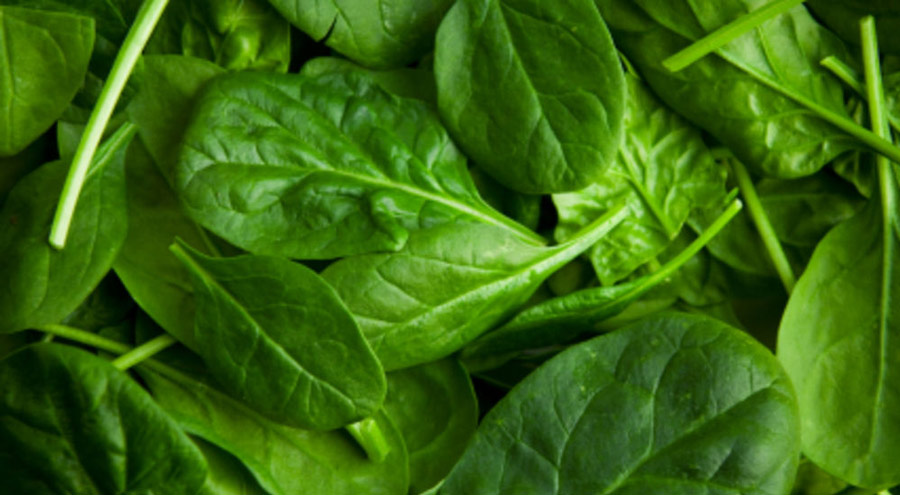
Green vegetables : Vegetables such as cabbage, broccoli, kale and rainbow cabbage are good to eat on the New Year in many countries for the simple reason: their leaves are like folding, symbolic coins for the rich future.(Photo: Rd.)
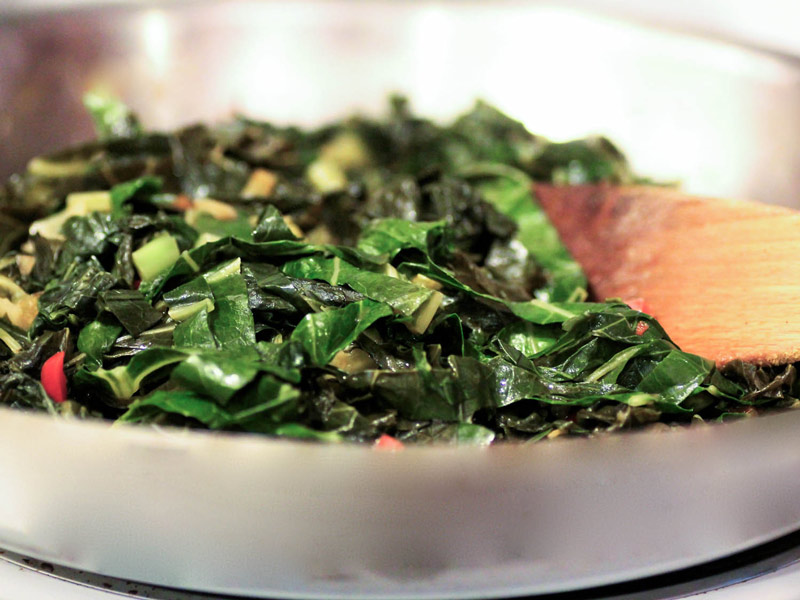
The Danes ate kale with sugar and cinnamon, the Germans ate cabbage while the Americans chose cabbage.Many people believe that the more vegetables they eat in the new year, the more money will be collected in the following year.(Photo: Seriouseats.)
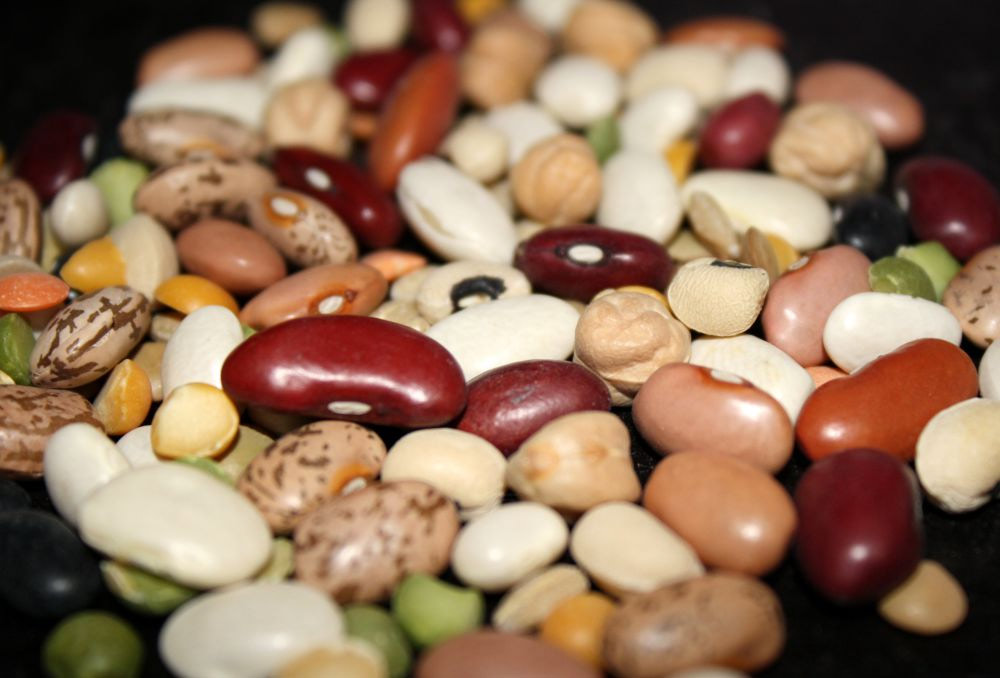 Types of beans : Peas, lentils, green beans . are considered symbols of money.They are shaped similar to coins and hatch when cooked, giving people financial luck.(Photo: Amazinghealthfulfoods).
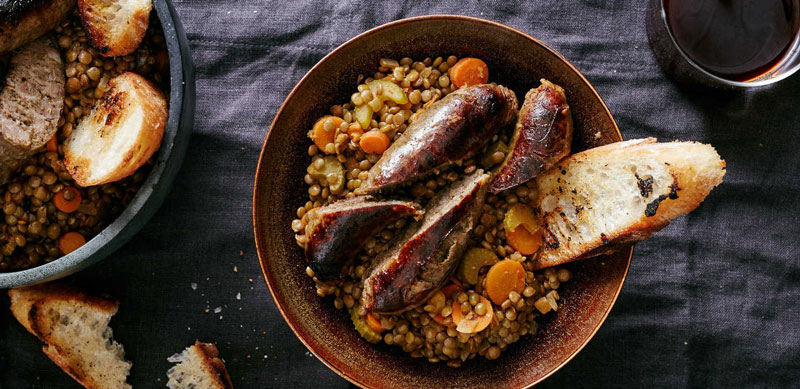
In Italy, people often enjoy sausages and green lentils after New Year's Eve.German people also often eat this in the new year, can replace lentils with bean soup.(Photos: Plated.)
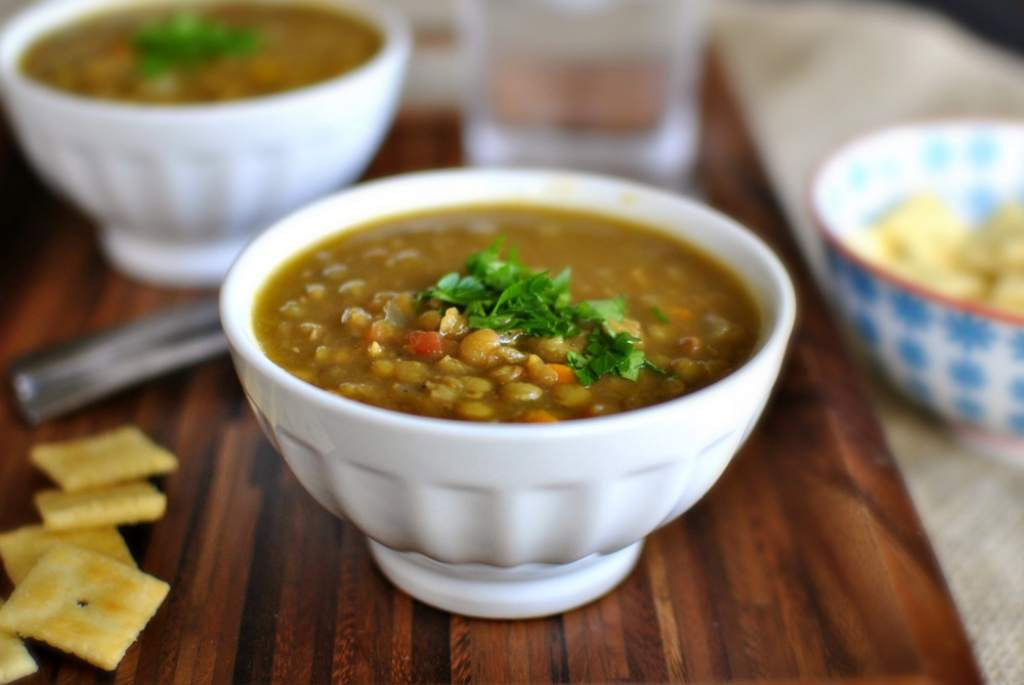
Brazilian people often eat the first meal of the new year with lentil soup or lentils and rice.(Photo: Greenacres.)
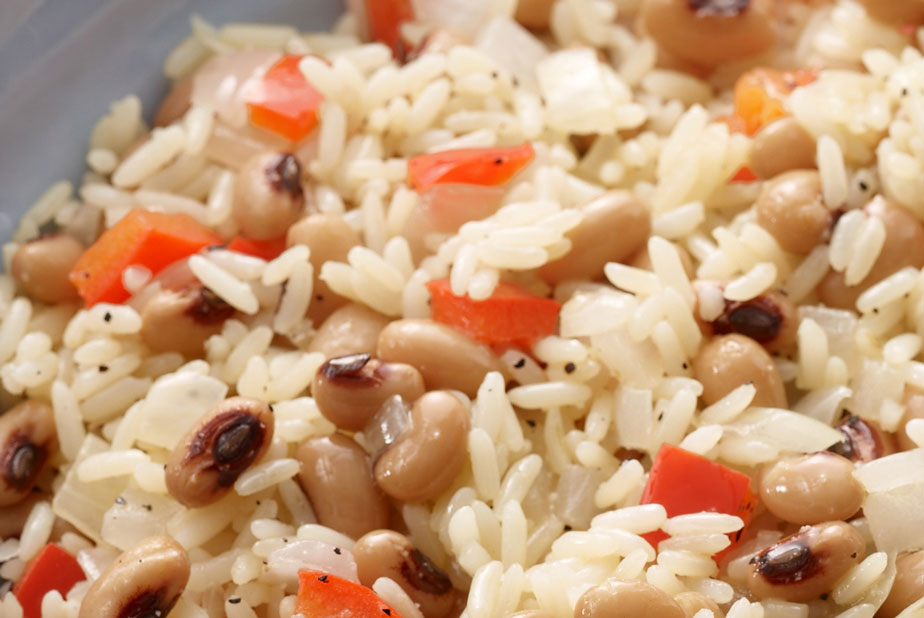
In South America, people often eat Hoppin 'John dishes made from black-eyed peas or cowpea.This tradition dates back to the Civil War, when the town of Vicksburg (Mississippi) ran out of food when it was attacked.Residents find black-eyed beans to survive, which is considered to bring good luck.(Photo: Foodnetwork.)
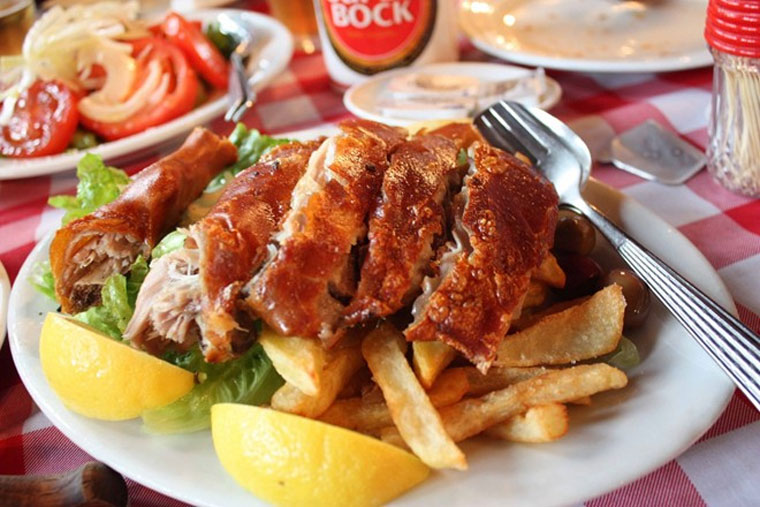
Pork : The tradition of eating pork in the new year is based on the notion that pigs represent growth, because this animal often moves forward when feeding.Roasted suckling pigs are indispensable for the New Year in Cuba, Spain, Portugal, Hungary and Austria.(Photo: Faimouioui / Wordpress).
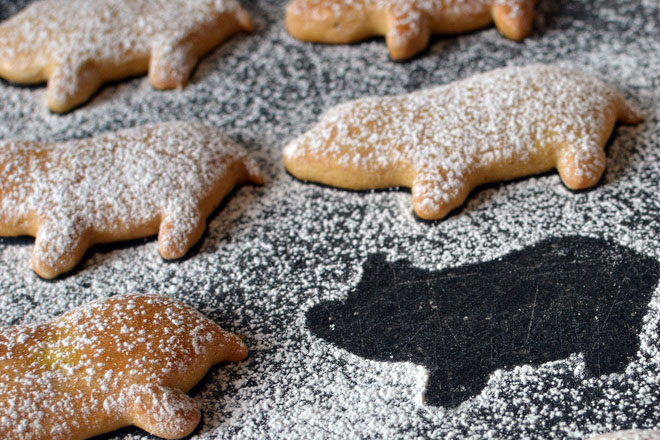
The Austrian decorated the table with almond cakes of tiny pigs.(Photo: Butteryum.)

The Swedes eat their legs, while the Germans enjoy grilled pork and sausages .Pork is also a popular dish in Italy and the United States because of its high fat content, symbolizing wealth and prosperity.(Photo: Chopstixfix).
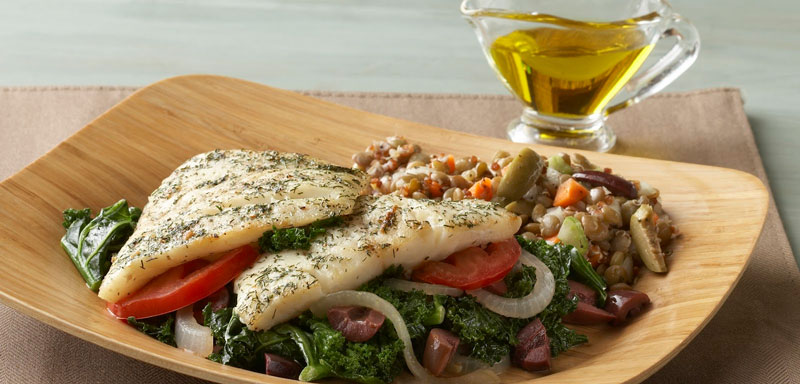
Fish: This dish is said to bring good luck for 3 reasons: their scales are shaped like coins, they follow the herd - symbolizing prosperity, and they swim forward - symbolizing develope.(Photo: Catholiccusine.)
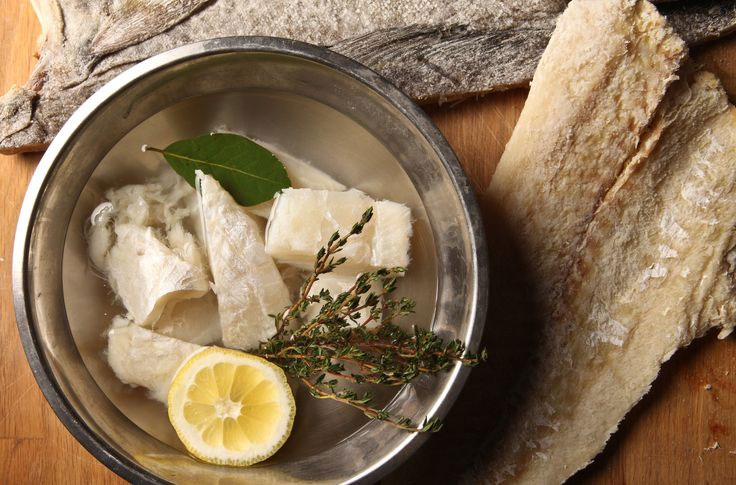
The Danes eat steamed cod, while in Italy, dried salted cod is made by families throughout Christmas to the new year.Germany and Poland have salted fish to get luck.(Photo: Nytimes.)
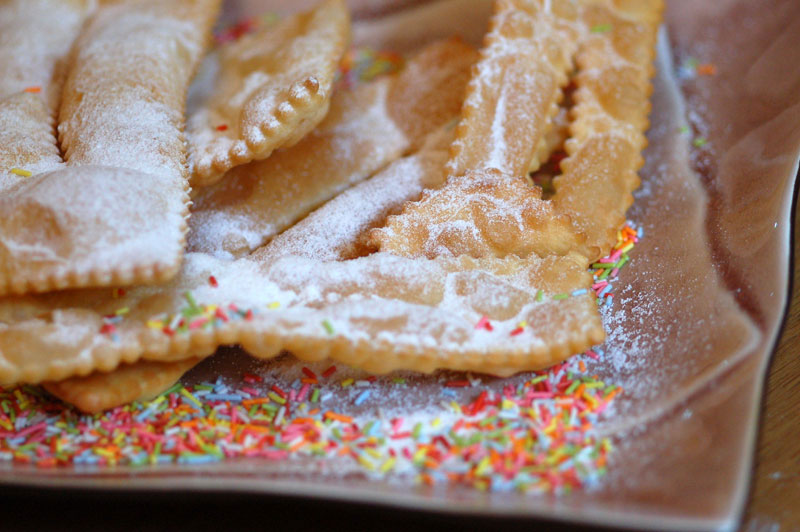
Types of cakes : Cakes and other baked goods often present in menus of many countries on Christmas and New Year, especially those with round or round shape.Italy has a chiacchiere made from sugar-coated wheat flour.(Photo: Theitalianbunnyreport / Wordpress).
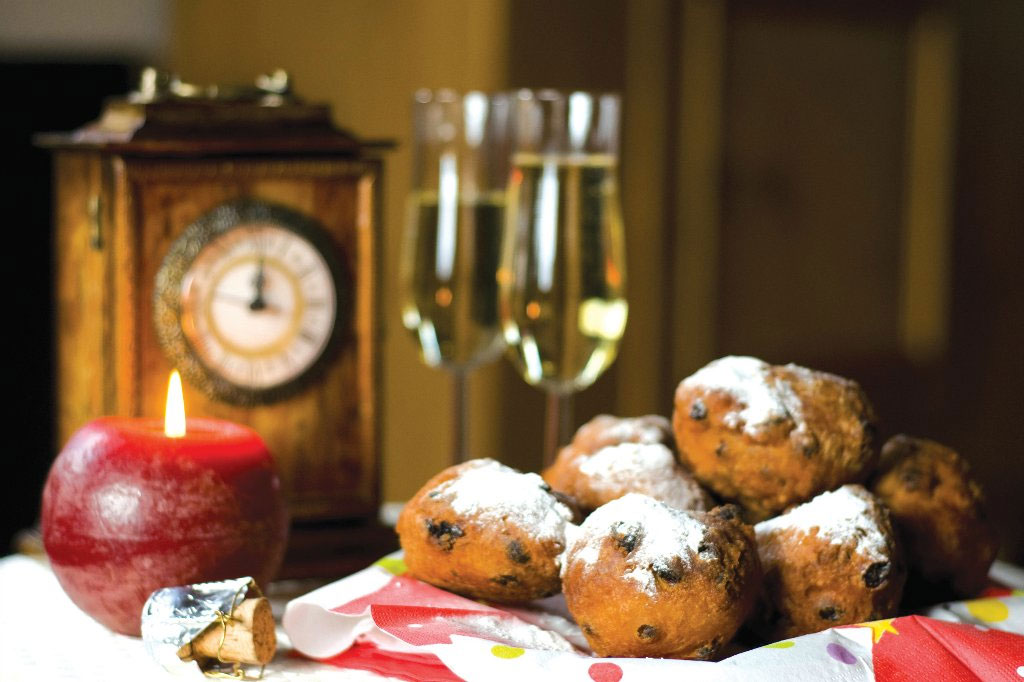
Poland, Hungary and the Netherlands often eat donuts.In addition, the Netherlands also has a bollen olie, a round scones, with apple kernels, raisins or sour grapes.(Photo: Oliebollenzoetermeer).
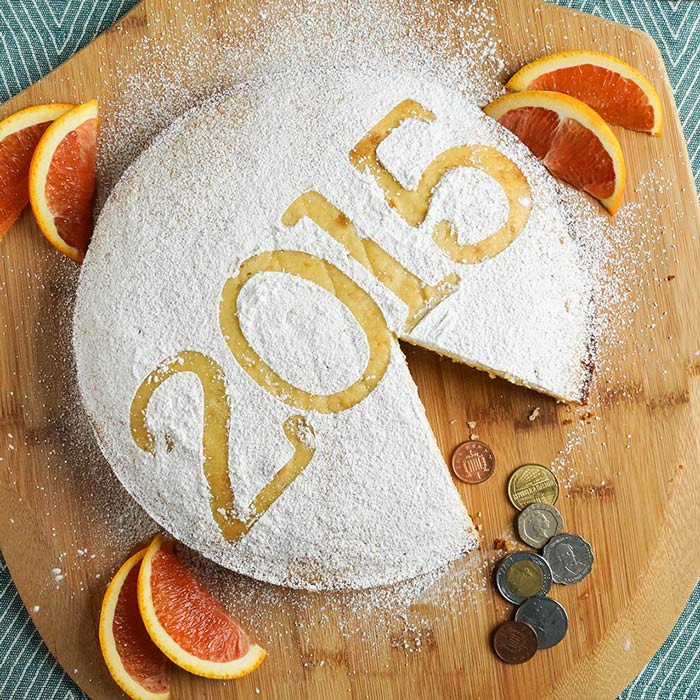
Some cultures also have the custom of hiding a jewelry or coin in a cake, whoever meets will be lucky in the new year.In Greece, people often make vasilopita cakes with a coin inside.Cakes are cut on New Year's Eve or dessert on the first day of the year.(Photo: Tarasmulticulturaltable).
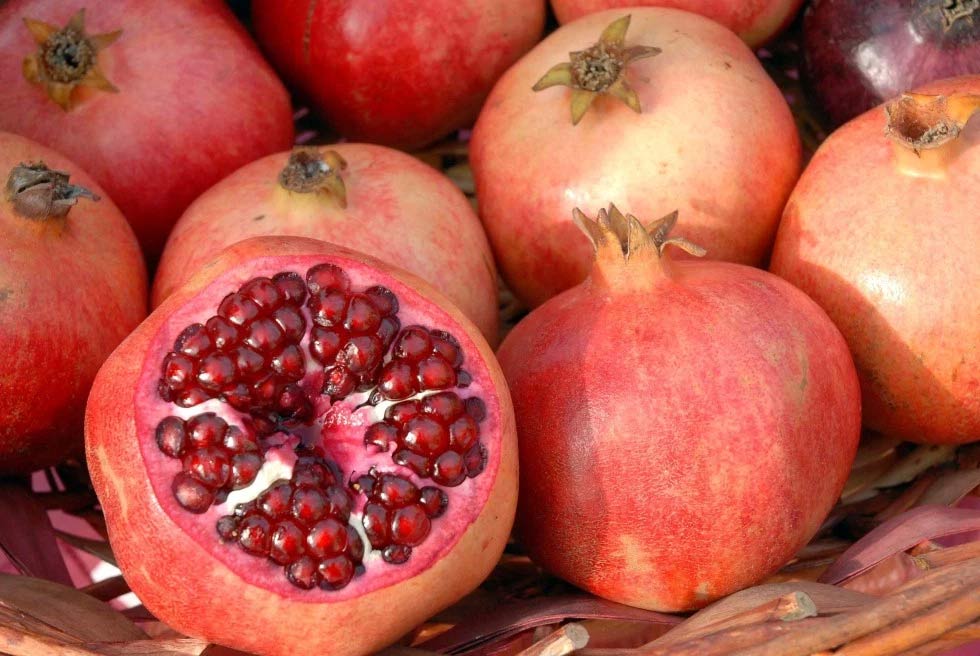
Pomegranate : The Turks consider pomegranate to be lucky for many reasons.Their red color symbolizes life, proliferating.The ability to treat illness represents health and circular particles express prosperity.(Photo: Aces).