The star explodes, the planet is swallowed, the heart-shaped nebula is impressive astronomical images this week.
The photos below are posted on National Geographic.
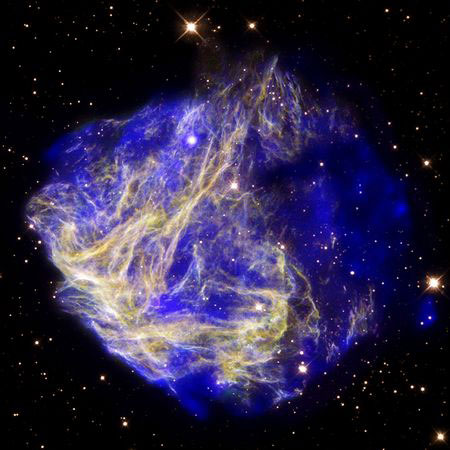
The rest after a star named N49 exploded. When a star dies, its matter escapes at speeds of up to 8 million km / h.Photo: NASA.
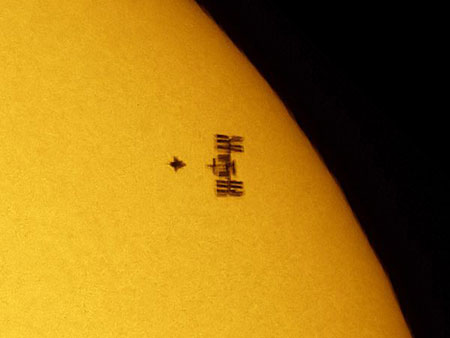
Approximately an hour before the space shuttle Atlantis connected to the International Space Station on May 16, a terrestrial photographer took a picture of two objects with the sun's background. It was announced on May 26.Photo: Thierry Legault.
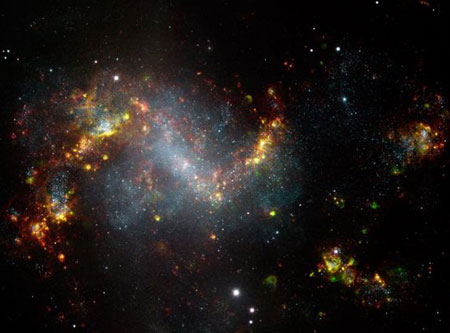
The types of light are colorful enough that the human eye can see in NGC 1313 - a spiral galaxy near the Milky Way. The light in this photo has three different wavelengths.Photo: Travis Rector.
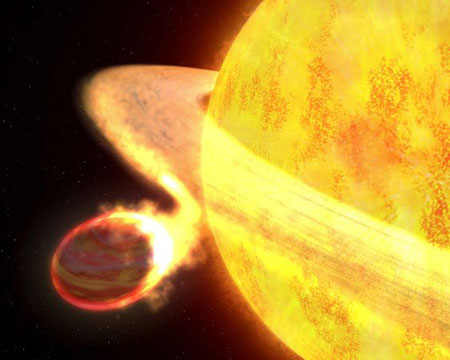
The material from a planet called WASP-12b outside the solar system is gravitated towards its own star.NASA and ESA artwork.
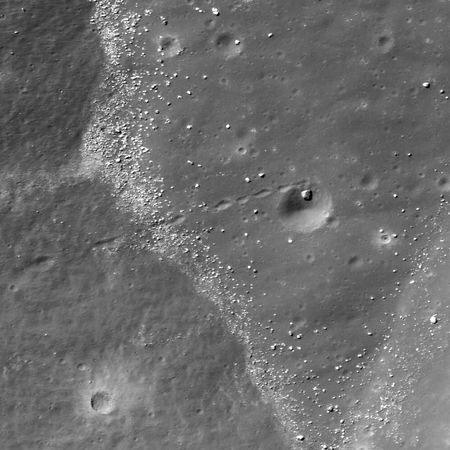
A stone lies in a hole in the southwest on the half toward the moon's earth.Photo: NASA.
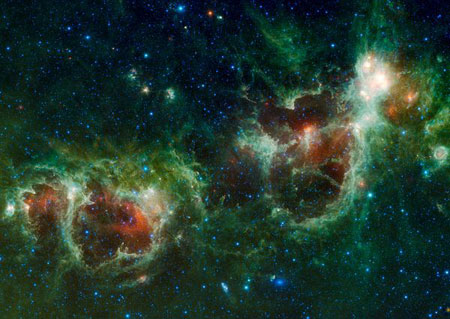
Perseus, a branch of the Milky Way, appears brilliantly in the infrared image. In Perseus there is a nebula carrying on the Heart (right) and a nebula named after the Soul (left). Newly born stars in these two nebulae emit strong light.Photo: NASA.
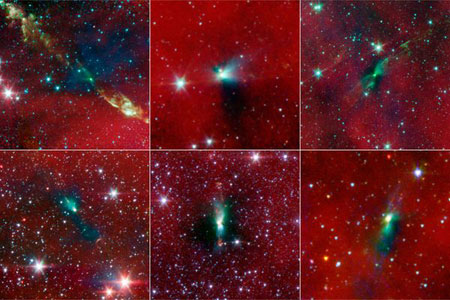
Streams of charged particles (green) from the dust cloud surrounding the newborn twin star system in six photos published by NASA on May 20.Photo: NASA.