On September 19, Queen Elizabeth II's coffin was lowered into the Royal Crypt, reunited with Prince Philip, after which both coffins will be transferred to be buried next to their relatives.
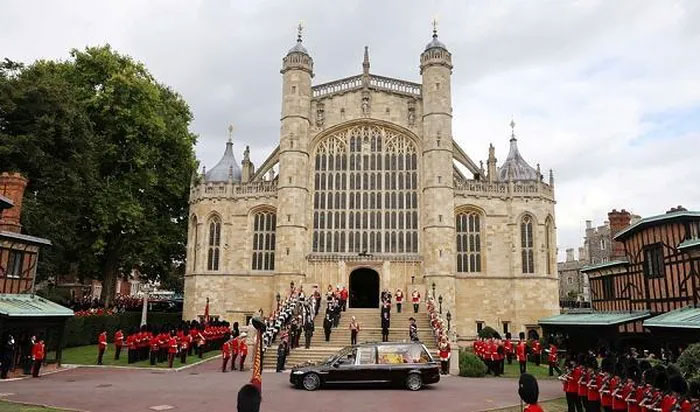
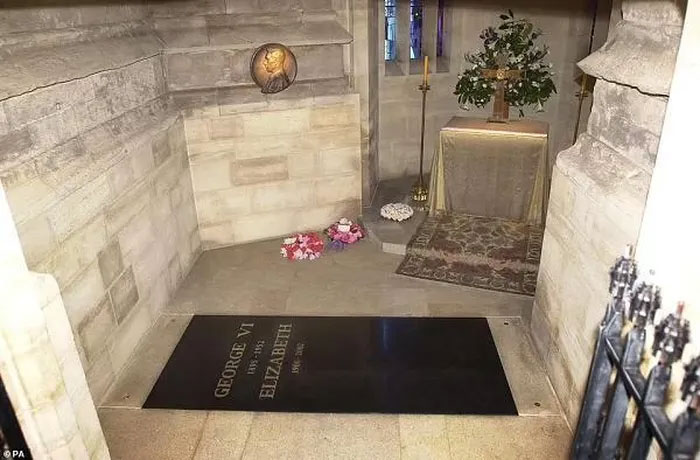
Queen Elizabeth II's final resting place is in the King George VI Memorial Chapel , but first she will be temporarily laid to rest in the royal crypt of St George's Chapel in Windsor Castle.
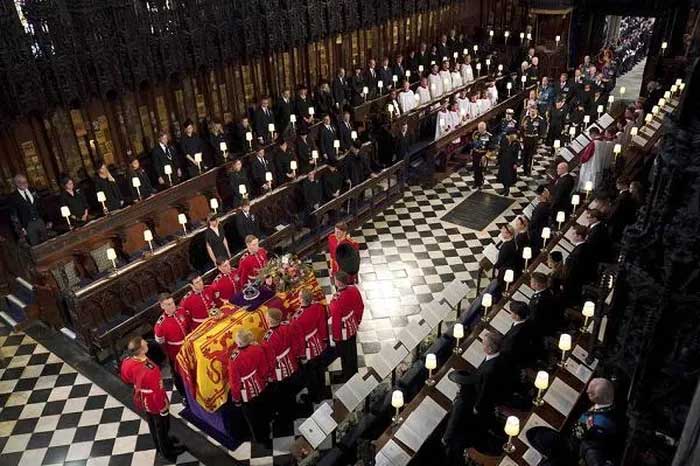
The St. George VI Memorial Chapel is also the final resting place of the late Queen's parents, as well as the ashes of her sister, Princess Margaret. It was planned that Prince Philip's coffin would be placed in the crypt and reunited with the Queen's coffin.
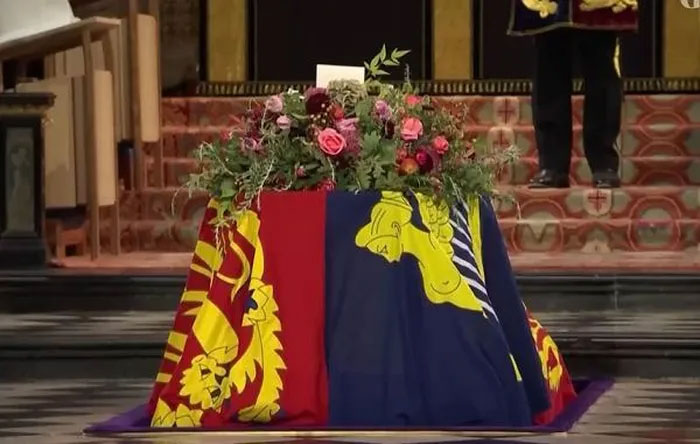
The Royal Crypt is built deep beneath St. George VI's Chapel , approximately 5m deep. It is a stone-lined vault, with dimensions believed to be 8.5m x 21.3m.
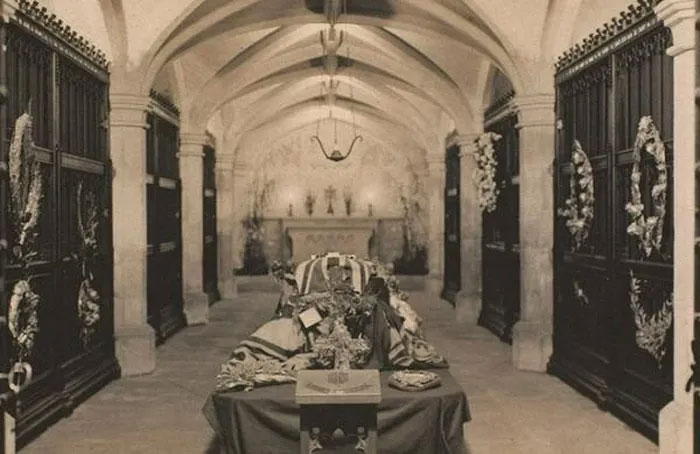
Inside the crypt there is enough space to hold 44 coffins. 32 coffins are arranged on shelves against the walls, while the remaining 12 are placed in the middle.
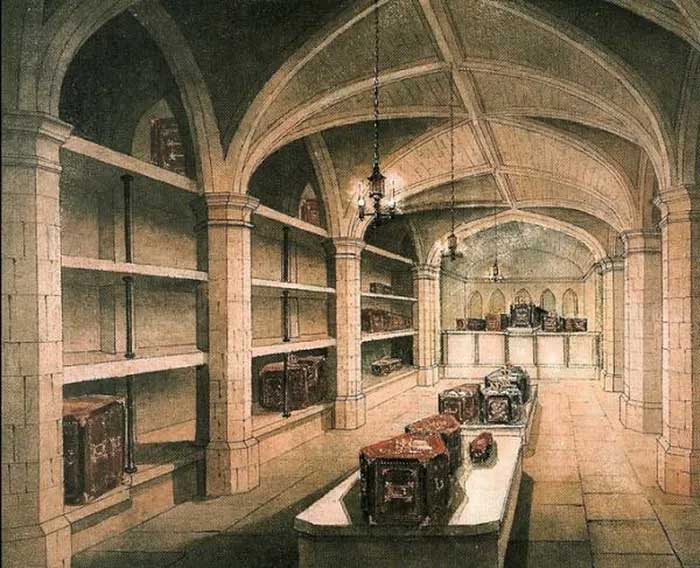
Its entrance has an iron gate that is usually closed. When the ceremony takes place in the main hall, a floor inside the chapel, where the coffin is placed, will be raised. After the ceremony, the coffin will be lowered via an electric lift.
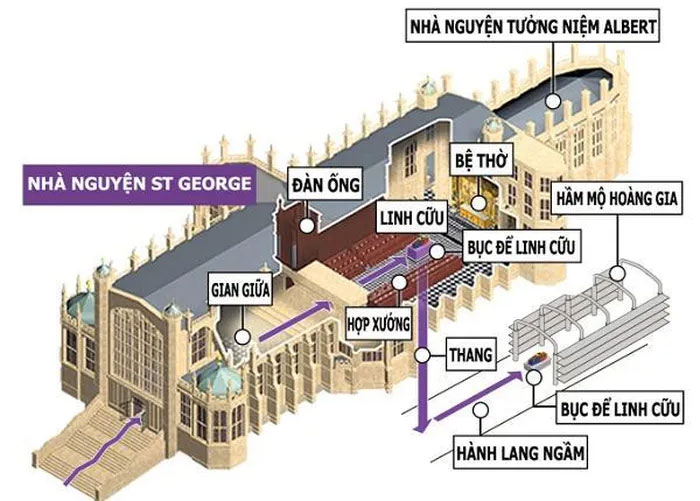
The coffin was then moved through a 15-metre underground passageway before being placed in the crypt by staff. King George III commissioned the Royal Crypt in 1804. It was completed six years later.
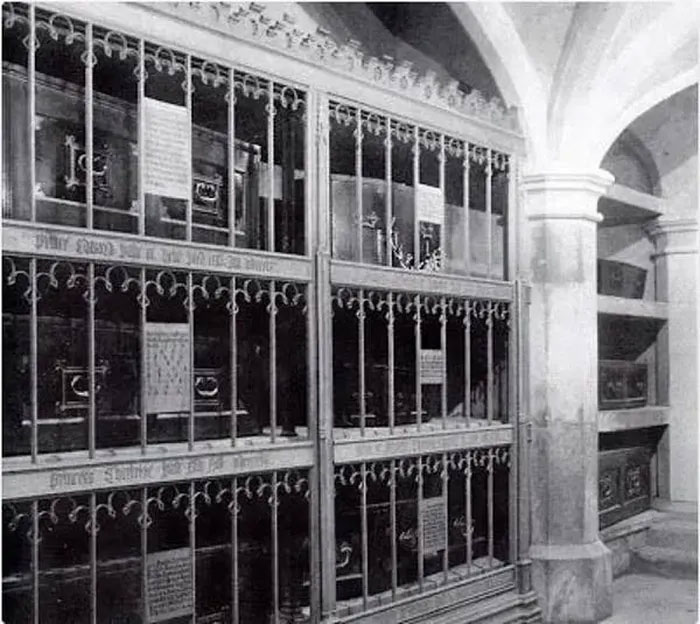
For decades, the royal crypt served as a temporary resting place for members of the royal family until a proper burial site was found. King George III was the first monarch to be buried in the crypt in 1820.
The Royal Crypt is off-limits to visitors, although visitors are still allowed to visit St. George's Chapel and attend ceremonies there.
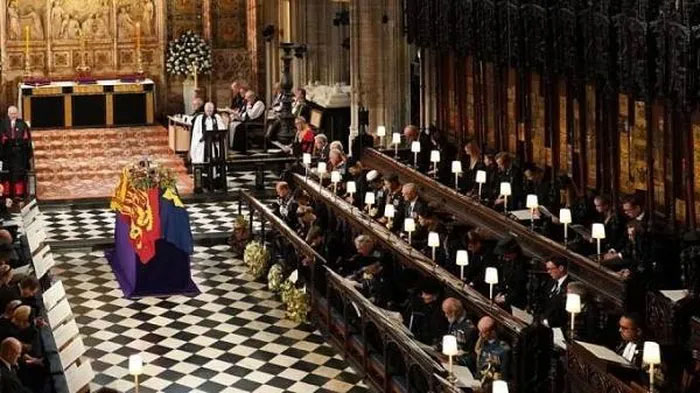
This makes many people curious about some of the secrets inside the basement such as the environment and air inside the basement.
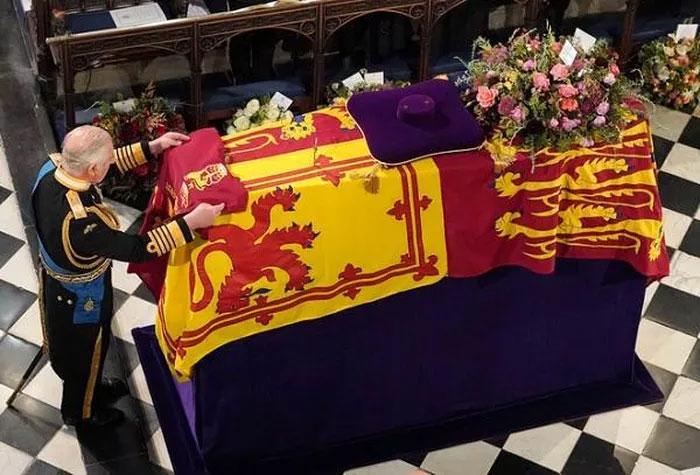
Some sources say that there is likely to be a certain odor emanating from the crypt, although only the custodians of the crypt know the specifics.
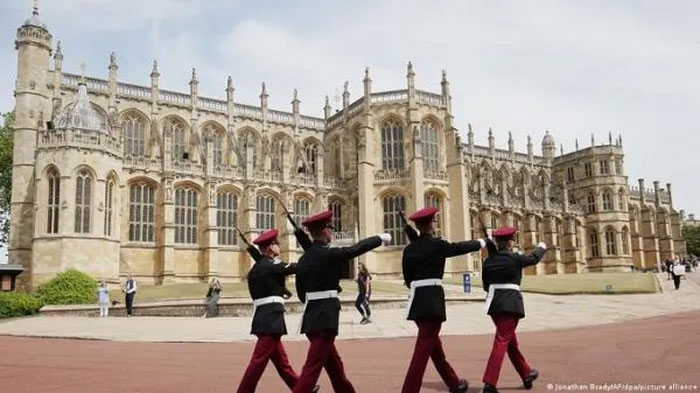
However, the royal family always takes measures to preserve the body and slow down the decomposition. Keeping the room odor-free will maintain the solemnity when receiving or moving the coffin. This also ensures convenience for those who work to preserve the tomb.
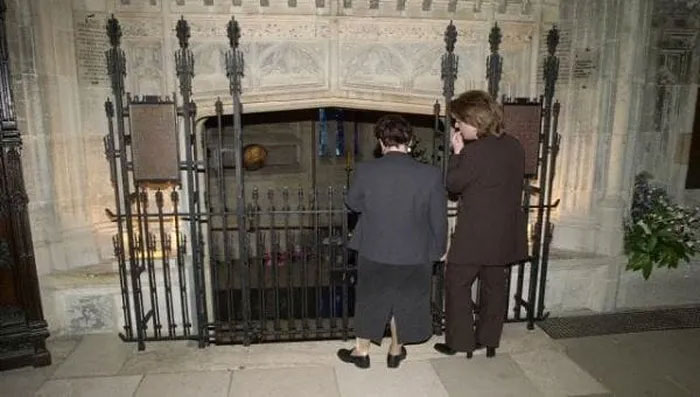
Among the most recent royals to be temporarily housed in the Royal Vault was Prince Philip's mother, Princess Alice. She entered the vault after her death in December 1969. But in August 1988, her remains were removed from the vault for burial in Jerusalem's Church of Mary Magdalene, in accordance with her wishes.