The US Aeronautics and Space Administration (NASA) has just released a close-up series of images of the Big Red Storms on Jupiter captured by the unmanned aerial vehicle Juno.
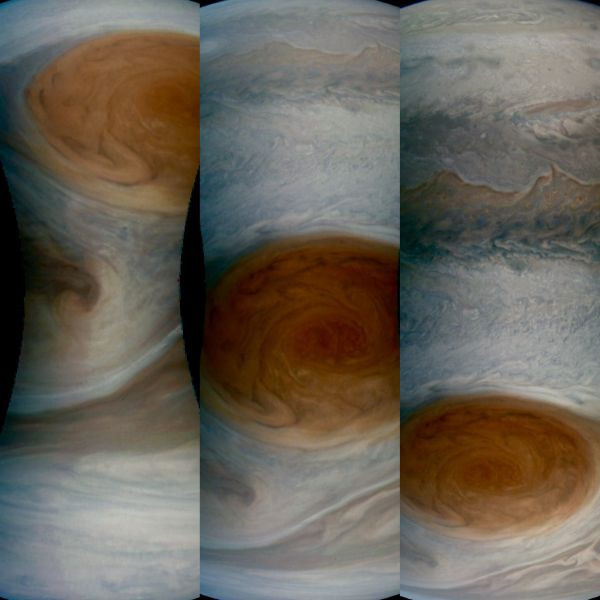
The US Space Agency's Juno spacecraft flew over the storm on July 11, capturing the latest images of the Great Red Spot on the largest solar system.
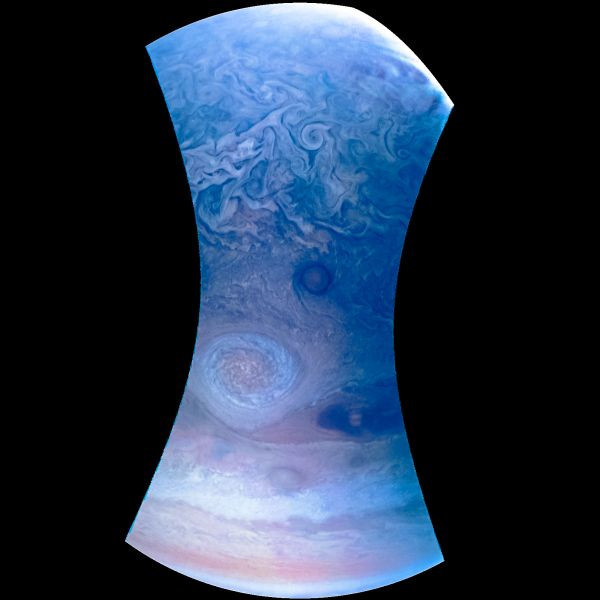
Scott Bolton, principal researcher of the Juno mission from the San Antonio Southwest Research Institute, said: "For hundreds of years, scientists have observed, raised questions and theorized about the Great Red Spot. Now we have the best photos ever. "
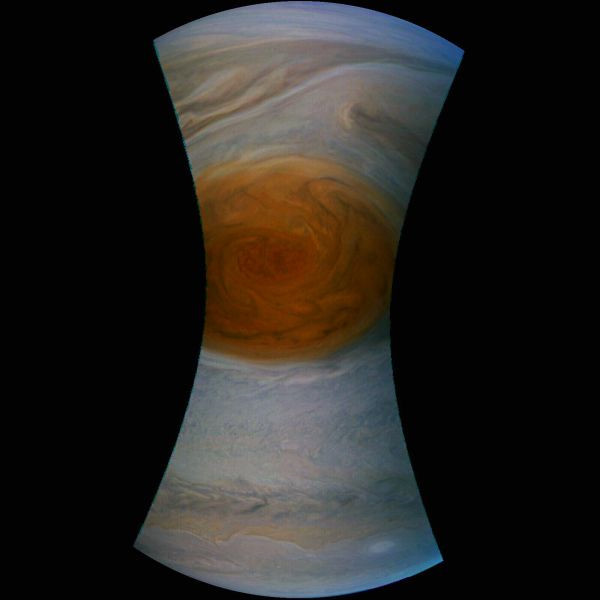
Scientists hope to learn more about the cause of the storm.Bolton said it will take some time to analyze the data Juno obtained when flying over the storm at a height of 9,000km.
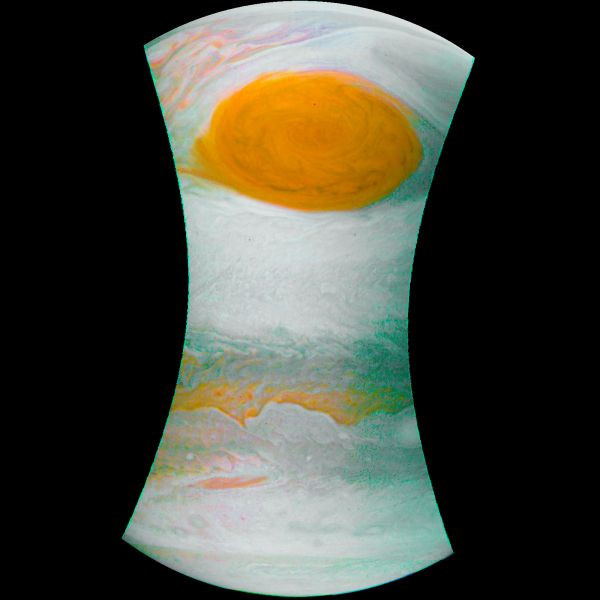
The Great Red Spot is about 16,350 km wide on April 3, 1.3 times the size of the Earth.
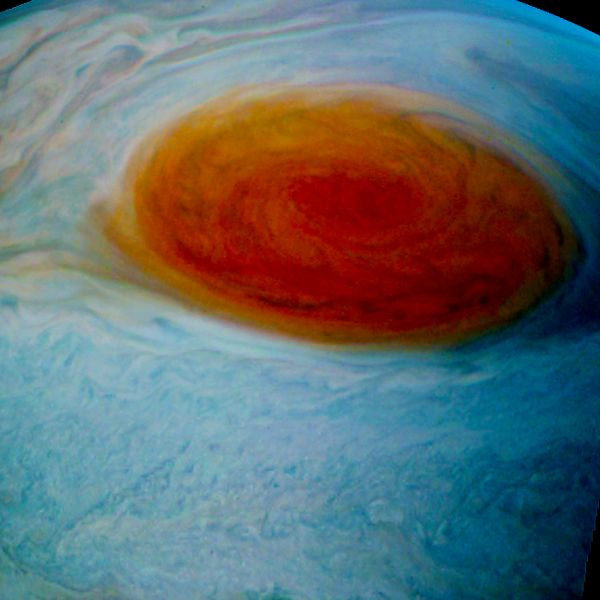
The storm has been monitored since 1830 and may have existed for more than 350 years.
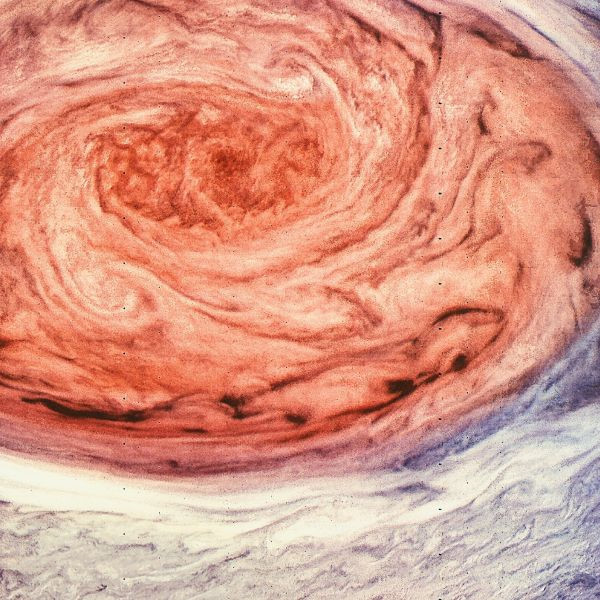
"These expected images of the Great Red Spot on Jupiter are the 'perfect storm' of art and science," said Jim Green, NASA's planetary science director.
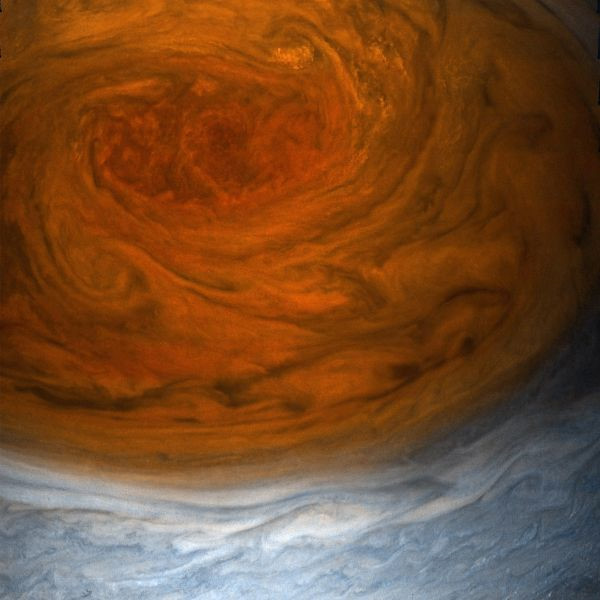
"We are happy to share the beauty and excitement of space science with people," he added.
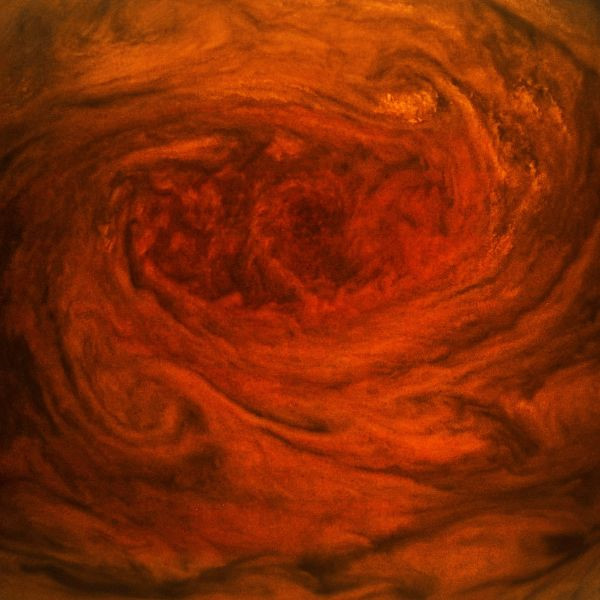
The clear picture of the Great Red Spot that Juno captured.