Everything you can see in the natural environment is collected and kept by this place.
One day at the National Museum of Natural History in Washington (USA) begins with employees going to re-examine more than 126 million samples. They include large numbers of plants, animals, fossils, minerals, rocks and other artifacts that have existed for thousands of years of human civilization.
Large specimens include 30 million insect species; 4.5 million species of trees; 7 million fish; 400,000 images of anthropology, etc. v . This place is stored from dried rats to the richest whale bone store in the world.
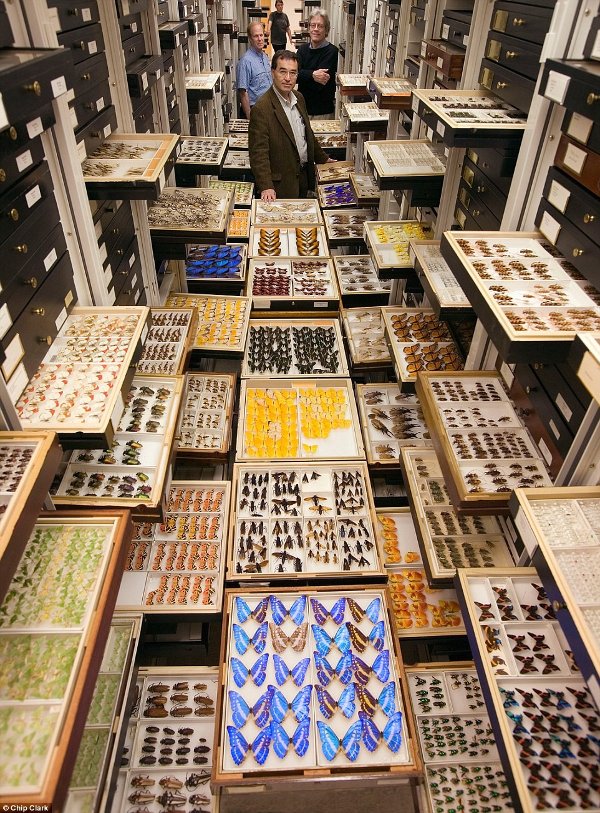
A corner of an insect storage room on Earth.
The effort to collect and arrange has been spent by hundreds of staff and scientists to have a space to keep science like this. They argue that this collection of collections plays an important role in promoting understanding, solving problems of natural science and explaining human biological origin. future system.
Having an almost complete collection of humanity, from the natural environment to the landscape, architecture, clothes, and working tools of human beings has been helping this place become a destination. thought for scientists and visitors.
Add some pictures of this strange storage room:
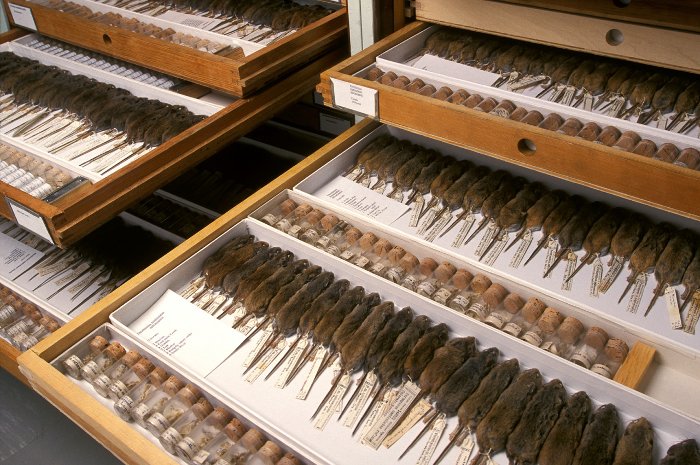
A place to store rats in a collection of vertebrate mammals.
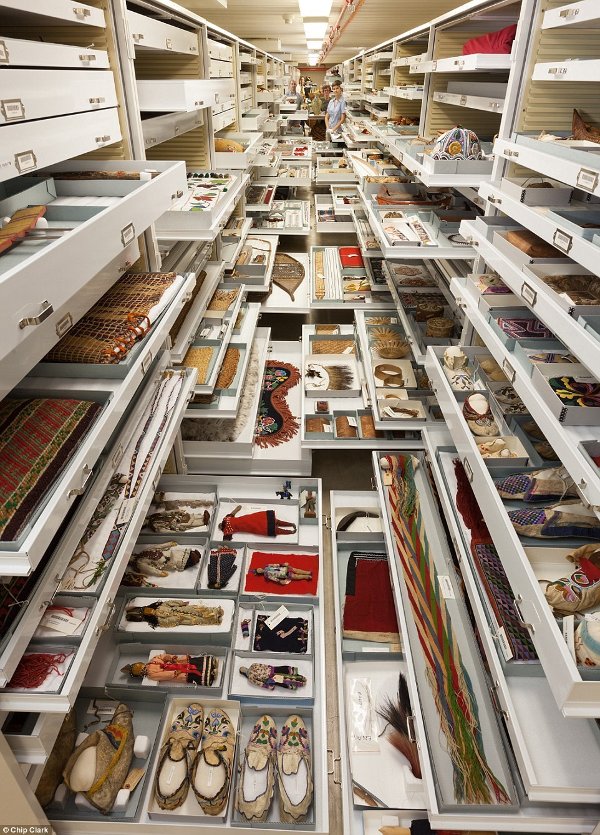
It even has its own place to store anthropological collections, which are sophisticated craft products representing many countries around the world.
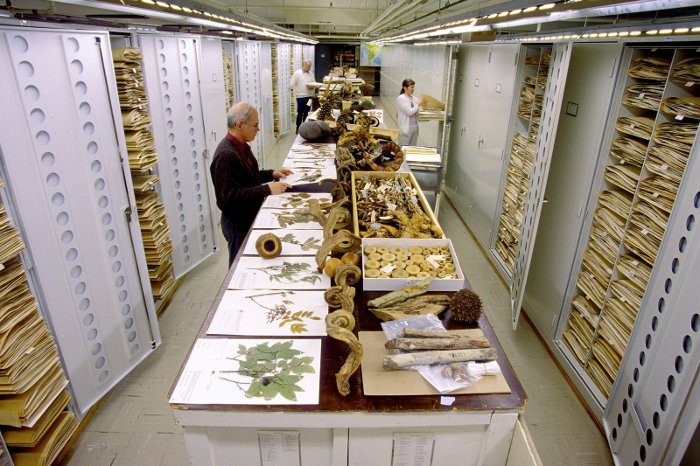
Plant collections, including those we have not seen before.
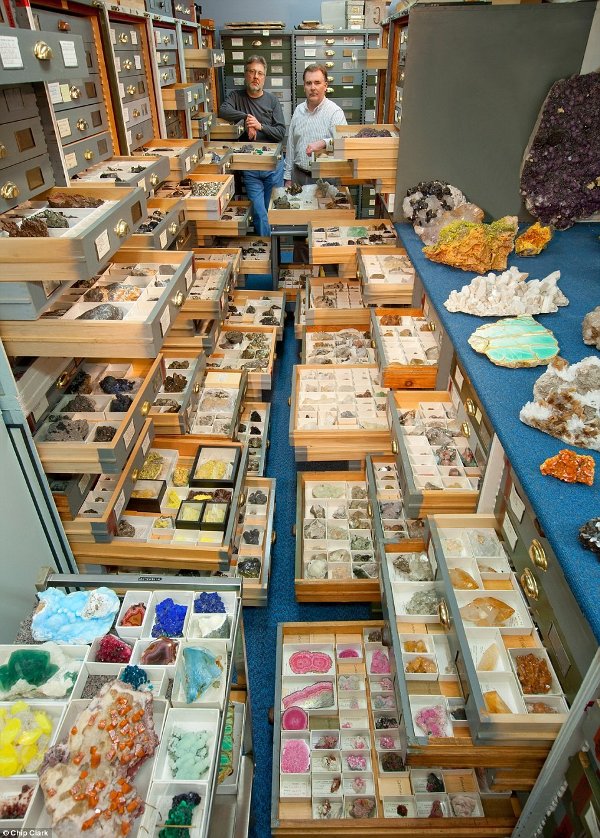
"Blue room" is the way people call the name of the store of minerals found by humans on Earth.
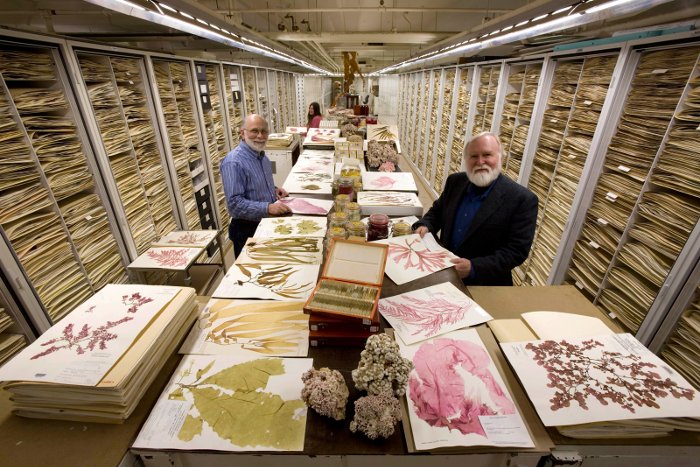
From algae, coral .
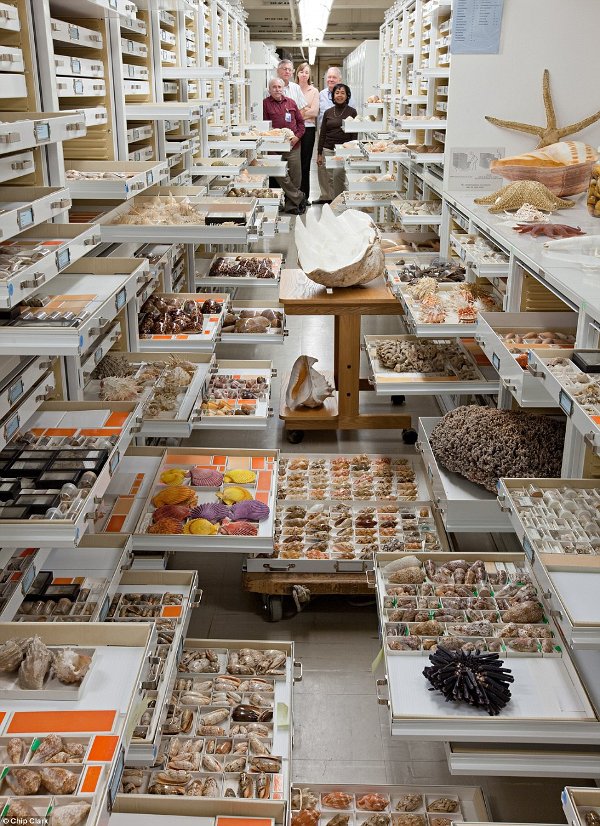
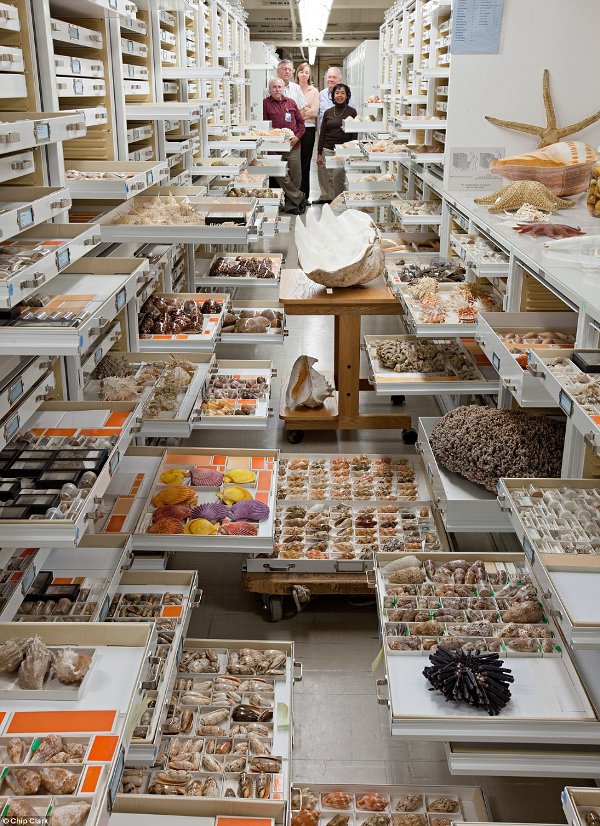
. to hard shell species under the ocean.
Whale skeletons in the National Museum of Natural History are considered to be the most complete and scale.Heavy-toned skeletons are stored on shelves and can only be moved by conveyor belts.
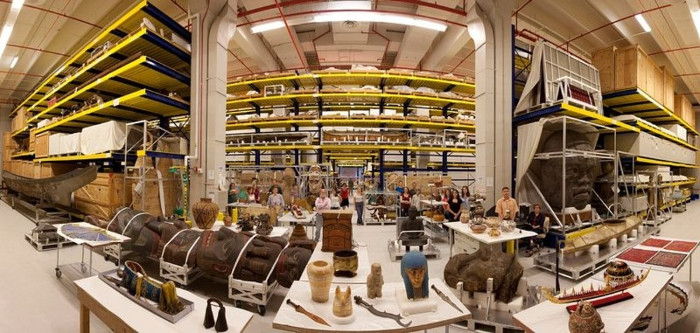
The large space in the interior exhibits symbols of human civilization history.
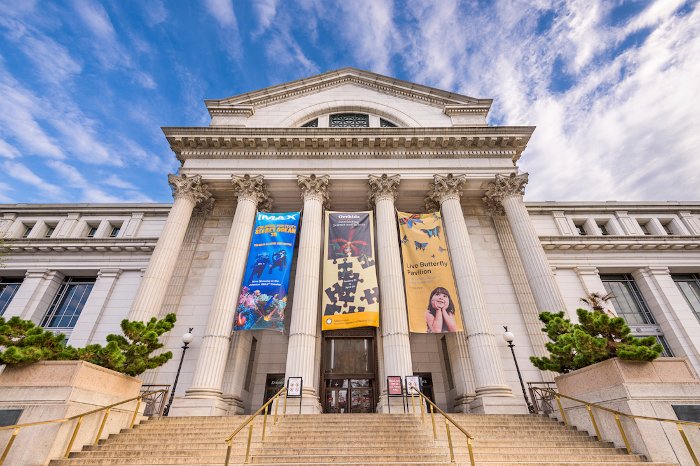
Outside the National Museum of Natural History of America.