Saguaro is a species of giant cactus, the symbol of southwestern America.
Saguaro giant succulents of the desert
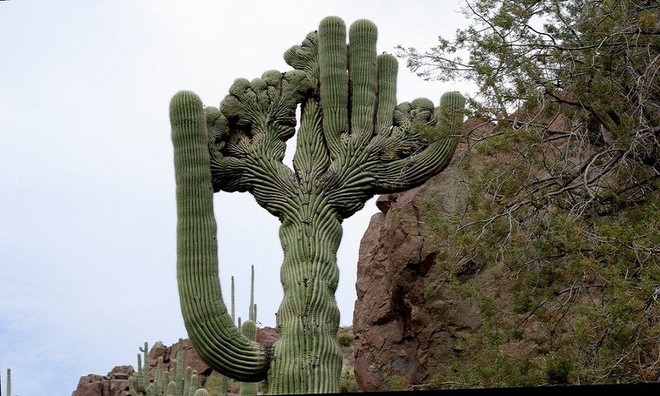
As one of the typical trees of the Sonoran desert, Saguaro cactus (Carnegiea gigantea) grows in southern Arizona, USA and west of Sonora, Mexico.
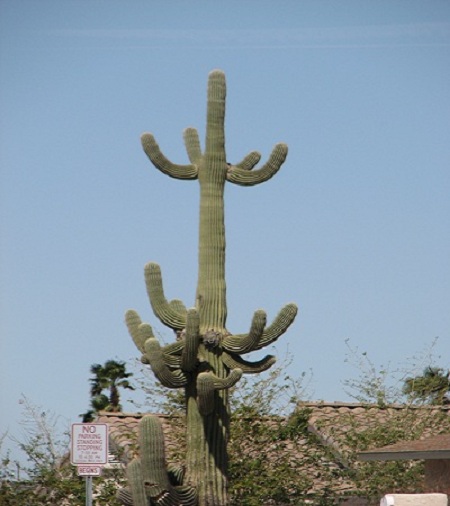
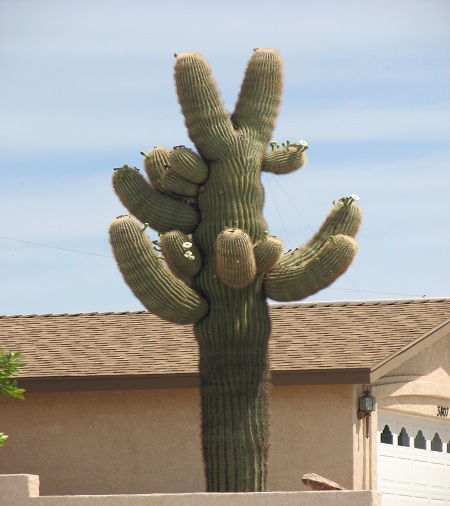
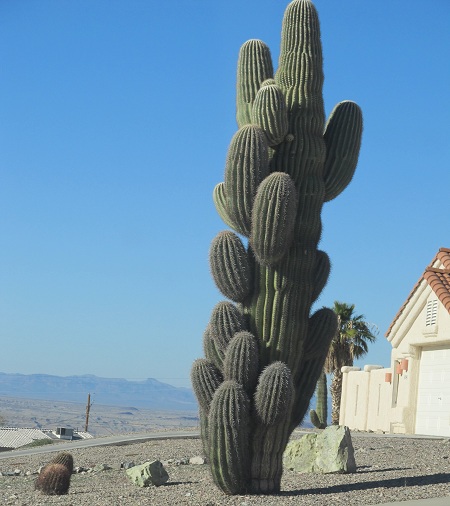
Saguaro is the largest cactus in America. They take the form of columns and lay many branches after a long time. Branches of cacti are bent and pointing upwards. Each tree can carry more than 25 branches.
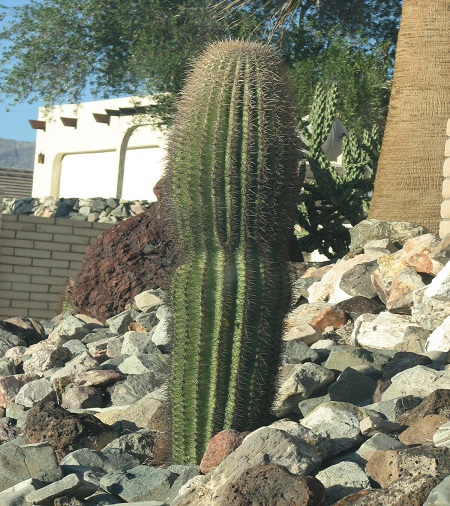
Saguaro cactus grows very slowly. Studies show that a Saguaro tree is only 2.5 to 4 cm tall in the first 8 years of life. They can grow to a height of 12 - 18 m.
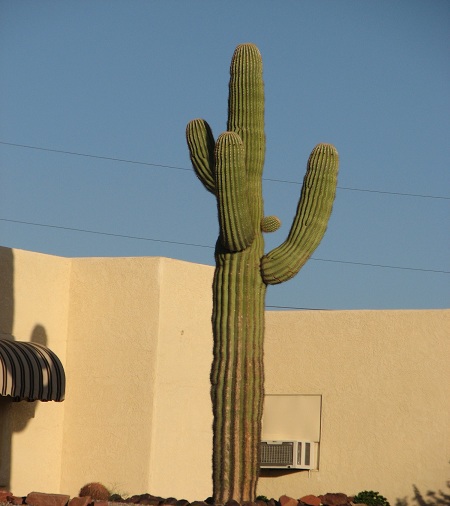
When raining heavily and Saguaro trees are fully watered, they can weigh 1,450 - 2,100 kg. The lifespan of this cactus lasts from 150 to 200 years.
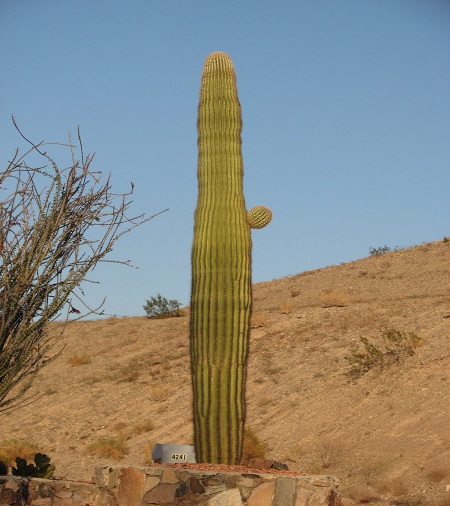
After 95 - 100 years, a Saguaro cactus can reach a height of 4.5 - 4.9 meters and begin to branch first.
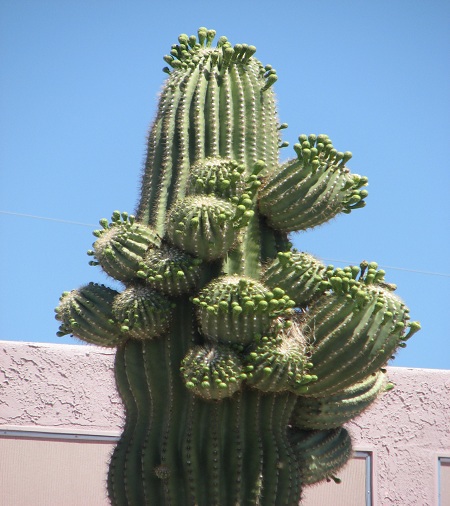
Before 200 years old, Saguaro cactus will reach a maximum height of 18 meters.
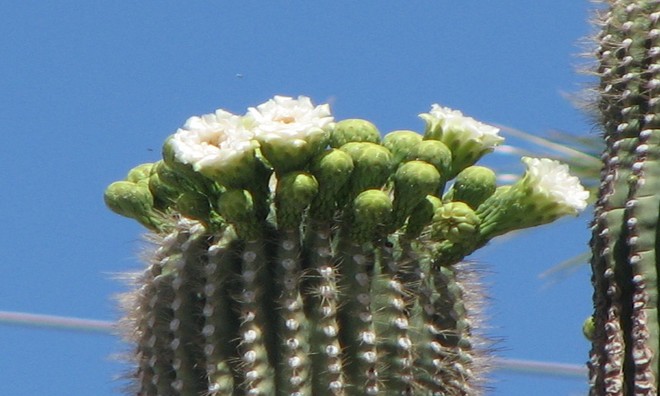
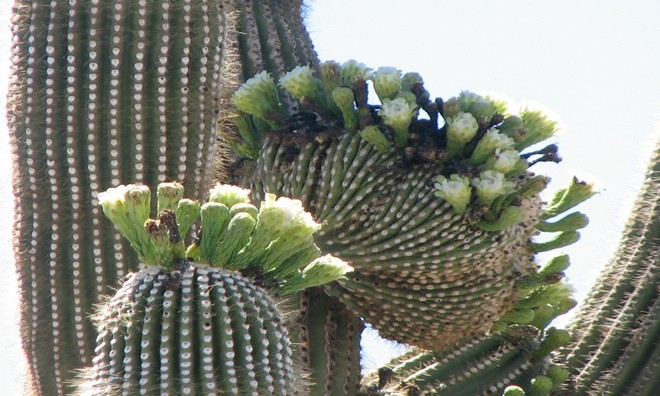
Saguaro is covered with sharp spikes that protect, release white flowers in late spring and produce red fruits in the summer. The ability to store water allows this plant to exist for more than a year in the middle of a limited condition.
Some Saguaro trees have dozens of branches while others never branch.
Most Saguaro cactus roots only grow 10 - 15 cm deep. However, the roots of the middle pile often penetrate deep into the ground and are longer than 0.6 m. After the tree dies, its wooden veins can be used to roof roofs, fences and furniture.
Many birds often nest in holes in dead Saguaro trees. Indigenous people also use these holes to store water.