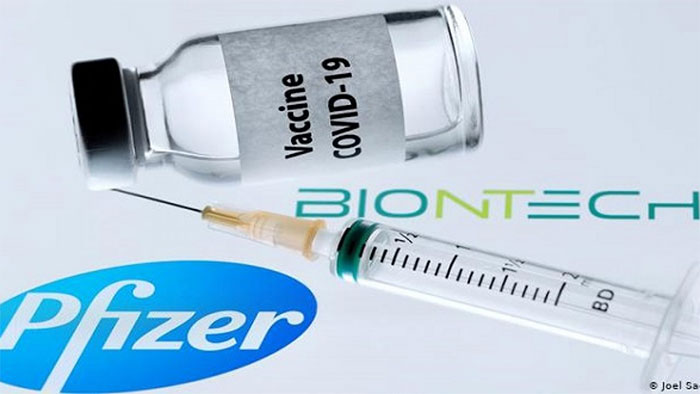
The World Health Organization's (WHO) Strategic Advisory Group on Immunization (SAGE) has issued several recommendations regarding the safety and effectiveness of the Pfizer Covid-19 vaccine.
Things to know when getting the Pfizer vaccine.
- Who should get vaccinated first?
- Who else can get vaccinated?
- Should pregnant women get vaccinated?
- Who should not receive this vaccine?
- Is this vaccine suitable for teenagers?
- What is the dosage?
- Is this vaccine safe?
- Is this vaccine effective against the new variants?
- Does this vaccine prevent infection and transmission?
- Pfizer Vaccine in Vietnam
According to the updated guidance from SAGE in late June 2021, the Pfizer/BioNTech vaccine is considered safe and effective. Specifically, it is 95% effective in preventing symptomatic Covid-19 infection.
Who should get vaccinated first?
Given the limited vaccine supply, SAGE believes that priority should be given to vaccinating healthcare workers at high risk of exposure and people aged 65 and older.
Who else can get vaccinated?
This vaccine has shown to be safe and effective in people with multiple underlying conditions and risk factors for severe illness, including hypertension, diabetes, asthma, lung, liver, or kidney disease, as well as stable and controlled chronic infectious diseases.
SAGE suggests that further studies are needed on the impact on immunocompromised individuals. The interim recommendation is that immunocompromised individuals – those in the recommended vaccination group – may be vaccinated after being provided with information and counseling.
People living with HIV are at higher risk of developing severe COVID-19. Currently, there is limited safety data on people with HIV in clinical vaccine trials. Therefore, people with HIV need counseling to weigh the benefits and risks before vaccination.
It is possible to vaccinate people who have had Covid-19. However, due to limited vaccine supplies, these individuals may need to postpone vaccination for about six months from the time of infection.
The effectiveness of the vaccine in breastfeeding women is considered similar to that in other adults. And they do not need to stop breastfeeding during the vaccination process.
Should pregnant women get vaccinated?
SAGE recommends the use of the Covid-19 vaccine in pregnant women when the benefits of vaccination outweigh the potential risks. To help pregnant women make this assessment, they should be informed about the risk of contracting Covid-19 during pregnancy, as well as the benefits of vaccination in the context of their local epidemiology and current limitations on safety data in pregnant women.
SAGE does not recommend pregnancy testing before vaccination, nor does it recommend delaying or terminating pregnancy for the purpose of COVID-19 vaccination.
Children under 12 years of age should not receive this vaccine routinely.
Who should not receive this vaccine?
Individuals with a history of severe allergic reactions to any component of the vaccine should not receive this vaccine.
Currently, there is no data on efficacy or safety in children under 12 years of age. Until such data is available, children under 12 years of age should not receive this vaccine routinely .
Is this vaccine suitable for teenagers?
Phase three trials in children aged 12-15 showed that the vaccine was highly effective and safe in this age group, thus expanding the previously recommended age range from 16 years and older to 12 years and older.
Evidence suggests that adolescents, especially older teenagers, are just as likely to spread Covid-19 as adults.
Children aged 12 to 15 with underlying medical conditions are at higher risk of developing severe Covid-19, so this group may need vaccination.
What is the dosage?
Protective effects begin 12 days after the first dose, but full protection requires two doses as recommended by the WHO, with an interval of 21-28 days between doses. Further research is needed to better understand the potential long-term protection after a single dose. Currently, the recommendation is to use the same product for both doses. Countries with high rates of Covid-19 and severe vaccine shortages may consider delaying the first dose by 2 to 12 weeks to achieve higher coverage of the first dose in high-priority groups.
Is this vaccine safe?
The WHO granted emergency use authorization for the Pfizer/BioNTech Covid-19 vaccine on December 31, 2020. The WHO thoroughly evaluated the quality, safety, and efficacy of this vaccine and recommended its use for people over 16 years of age .
The Global Advisory Committee on Vaccine Safety, a group of experts that provides independent and relevant guidance to the WHO on the topic of safe vaccine use, has received and evaluated reports of suspected safety incidents with potential international impact.
Is this vaccine effective against the new variants?
SAGE reviewed all available data on the efficacy of this vaccine in trials to assess its efficacy against the new variants. These trials showed that the vaccine was effective against the new variants.
Currently, SAGE recommends the use of the Pfizer/BioNTech vaccine under the WHO Priority Route, even if a new variant of the virus emerges in the country. When countries assess the risks and benefits, they need to consider the local epidemiological situation.
Initial findings highlight the urgent need for close coordination in monitoring and evaluating variants and their potential impact on vaccine efficacy. The WHO will update its recommendations as more data becomes available.
Does this vaccine prevent infection and transmission?
Currently, there is limited data on the impact of the Pfizer/BioNTech vaccine on viral transmission or release. At the same time, we must continue to maintain effective public health measures: wearing masks, maintaining social distancing, handwashing, respiratory hygiene, covering your mouth when coughing, avoiding large gatherings, and ensuring good ventilation.
Pfizer Vaccine in Vietnam
On June 12th, the Ministry of Health conditionally approved the Pfizer/BioNTech COVID-19 vaccine to meet the urgent needs of epidemic prevention and control. This vaccine is formulated as a concentrated suspension for injection, with each 0.3 ml dose containing 30 mcg of COVID-19 mRNA vaccine (encapsulated in lipid nanoparticles), manufactured in Belgium and Germany. This is the fourth COVID-19 vaccine to receive emergency approval in Vietnam, following AstraZeneca (UK), Sputnik V (Russia), and Sinopharm (China).
On July 7th, over 97,000 doses of Pfizer vaccine arrived at Noi Bai Airport. This is the first batch in Pfizer/BioNtech's commitment to supply Vietnam with 31 million doses of vaccine in 2021. Further batches of Pfizer's Covid-19 vaccine are expected to arrive in Vietnam in July.
The Pfizer vaccine is developed using mRNA technology, carrying the genetic information of nCoV into the body. The vaccine provides information about a "template" of the virus that does not cause disease. This template allows the immune system to become familiar with the pathogen and destroy it later.
Currently, this vaccine is being used in 103 countries.
- Avoid strenuous exercise after receiving the Pfizer or Moderna vaccine.
- How are rapid antigen tests performed?
- The Lambda strain contains a mutation that could defeat the vaccine.