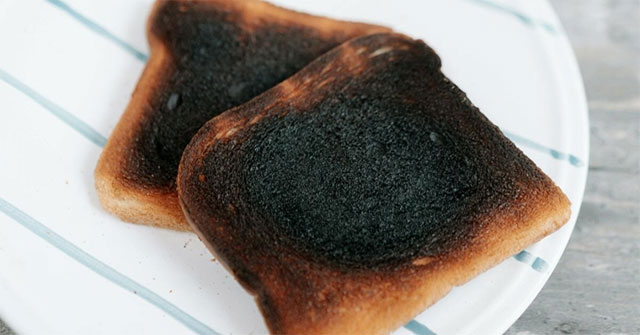
Cancer
Misconceptions about the causes of cancer
Cancer is the leading cause of death worldwide, claiming more than 10 million lives in 2022. However, many people still have misconceptions about this disease.
Explore cancer research, warning signs, risk factors, prevention, diagnosis and treatment developments across major types of cancer.
910 published items in this category and its subcategories.
Cancer is the leading cause of death worldwide, claiming more than 10 million lives in 2022. However, many people still have misconceptions about this disease.
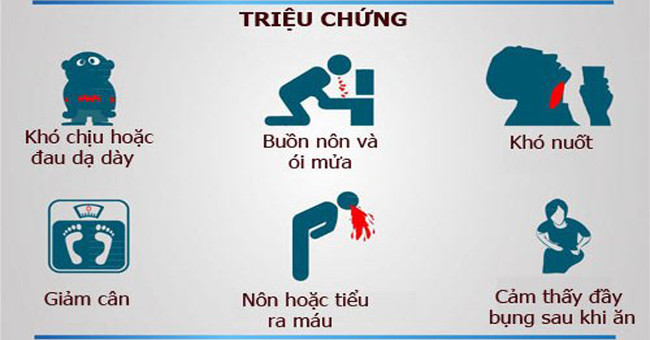
Vomiting or urinating blood, bloating after eating, difficulty swallowing... could be signs of stomach cancer, according to Learnaboutcancer.
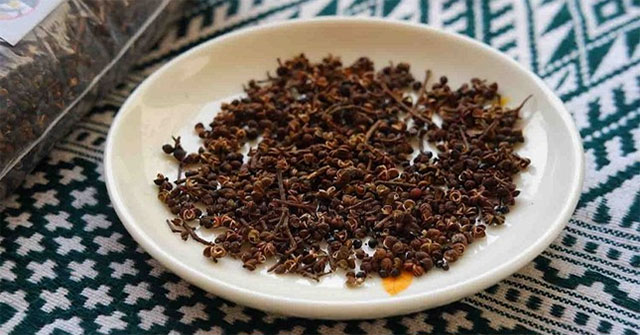
Scientists from the Vietnam Academy of Science and Technology have discovered many active compounds in the mắc khén plant that have antifungal, antibacterial, and cytoto…

There are extremely small and easily overlooked signs that are early signs of cancer.
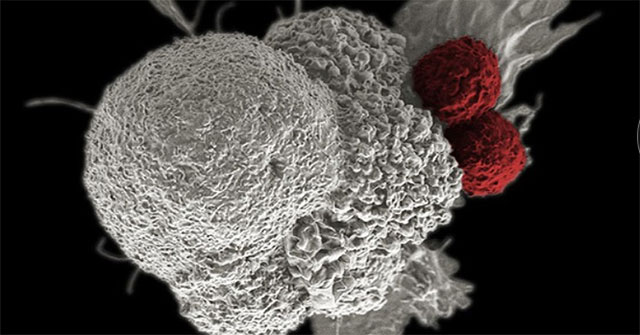
A research collaboration from three prestigious institutes and universities around the world has discovered a new compound capable of attacking
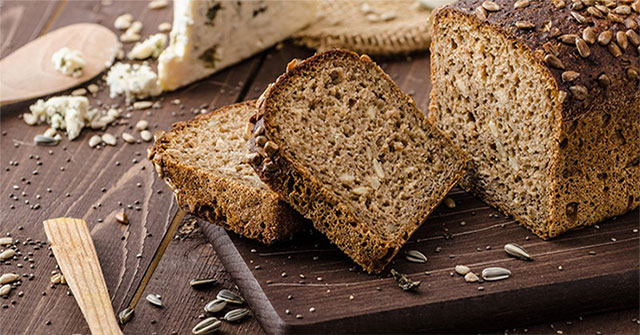
Researchers from the University of Arizona (USA) indicate that consuming a lot of certain types of bread can help reduce the risk of cancer.
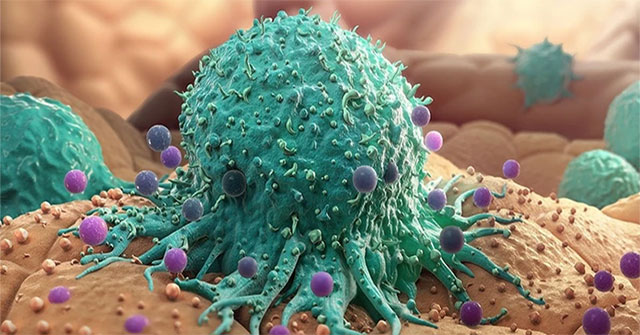
The effects of certain viruses on the body cause cells to lose control and turn into malignant tumors. Studies show that more than one hundred thousand cases of cancer i…
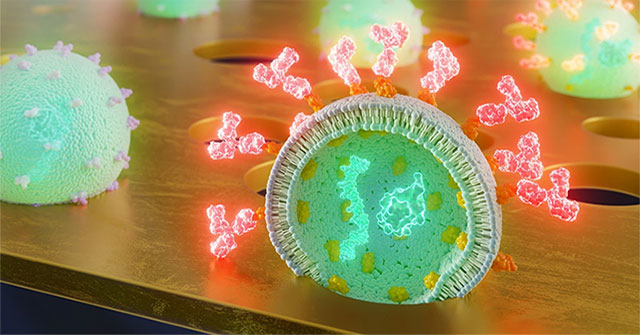
According to SciTechDaily, this cancer testing method uses an ultra-thin membrane to capture extracellular vesicles.
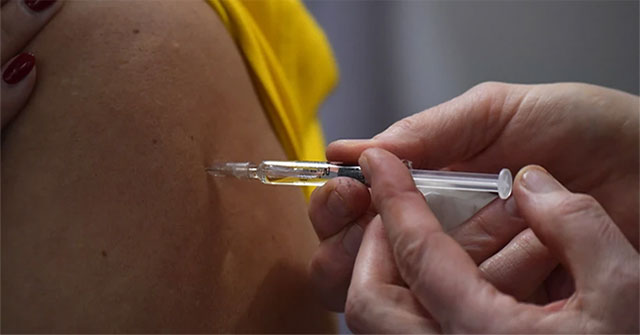
The vaccine being tested is based on the use of non-pathogenic viruses with anti-cancer activity, which are introduced into the patient's body.
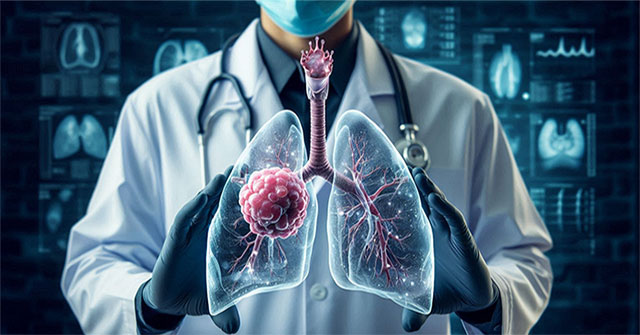
A device developed by Zhejiang University (China) correctly identified people with lung cancer in a recent test.
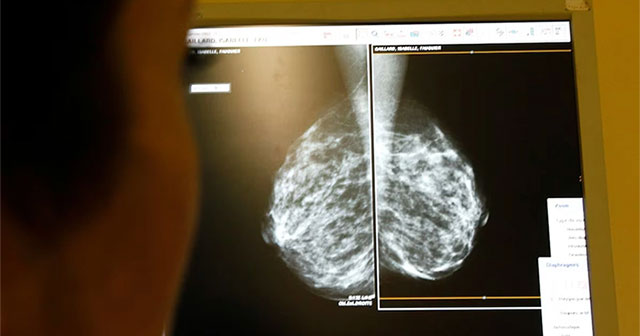
A team of researchers from Uppsala University and KTH Royal Institute of Technology in Sweden have developed a new antibody that has the potential to treat many differen…
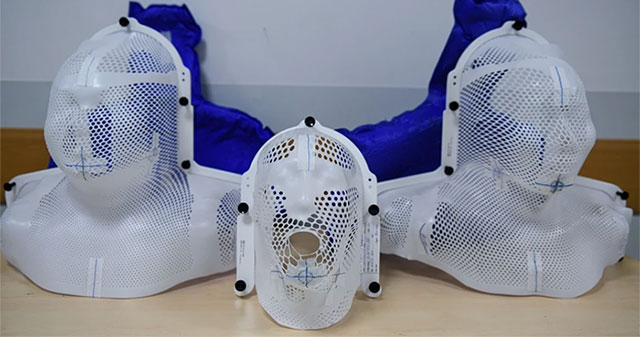
After 15 minutes of simulation, the mask used in cancer radiotherapy is completed. The mask's fit helps the patient feel comfortable and breathe normally during radiothe…
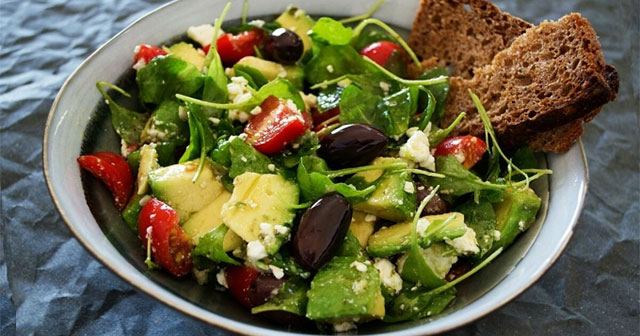
Experts say cutting down on ultra-processed foods and increasing plant proteins or fruits can help reduce the risk of cancer.
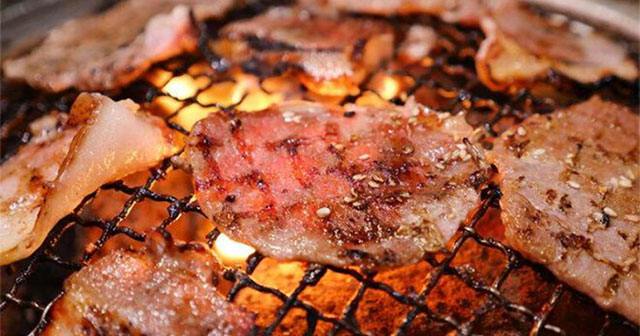
The International Agency for Research on Cancer (IARC) divides carcinogens into four levels, the most feared of which is level 1 carcinogen.
Researchers at the University of Tokyo have found a new direction in the fight against cancer using artificial DNA.