Cancer is a common disease and the leading cause of death worldwide, claiming the lives of over 10 million people in 2022. However, many people still have misconceptions about this disease.
Causes of cancer that lack conclusive evidence.
However, some experts have pointed out that obesity and lack of exercise pose a greater risk of cancer than red and processed meats. On the other hand, many things thought to cause cancer are actually not.
Given the prevalence of unverified stories, rumors, and information about cancer, an independent Australian cancer control organization called the Cancer Council Australia has created a website to counter misleading information.
1. Plastic bottle
There are reports that plastic bottles, when heated, frozen, or reused, release chemicals that may cause cancer, including dioxins.
The truth is, water stored in plastic bottles is no less safe than water stored in metal bottles or any other container. Bottles made from plastic do not contain dioxins.

The bottles are made from plastic that does not contain dioxins.
2. Road
Many believe that sugar nourishes cancer cells, so you should avoid sugar in your diet if you are undergoing cancer treatment. The truth is, all cells in the body use sugar as an energy source. Therefore, cancer cells are no exception.
The fact that cancer cells in the experiment thrived thanks to glucose does not mean that eating sugar will cause cancer cells to grow faster or even cause cancer.
Therefore, by avoiding all sugary foods and preventing sugar (from other foods like protein and fat) from reaching cancer cells, you are starving your body's healthy cells along with the cancerous cells.
Therefore, a healthy diet is the best way to provide the body with the necessary energy and avoid weight gain – a real cause of increased cancer risk.
3. Deodorant
Information suggests that aluminum in antiperspirant products prevents the removal of toxins through sweat, which can clog lymph nodes and lead to breast cancer.
The truth is that sweating helps the body eliminate toxins, but breast cancer starts in the breast and spreads to the lymph nodes, not the other way around as the information above suggests. There is no evidence that aluminum can lead to cancer.
Some reports occasionally claim to have found aluminum or other deodorants in samples taken from breast tumors. However, these reports only surveyed a very small number of women with breast cancer, and they never compared the aluminum concentrations in the tumors with those in other parts of the body, or with women without breast cancer.
On the other hand, a study that surveyed 1,600 women found that those who used deodorant were less likely to develop cancer than women who did not.
4. Radiation from microwave ovens
Many sources claim that food heated in microwave ovens is contaminated with radiation, and that consuming it can cause the radiation to damage genes in the body's cells, leading to cancer.
The truth is that shortwave radiation (microwaves) is a form of radiation, but it's not known to cause cancer. Shortwave is a type of low-energy radiation called non-ionizing radiation, different from the high-energy radiation in X-rays, which can damage DNA. While microwave ovens also use shortwave radiation to heat food, this doesn't mean they irradiate the food.
5. Keeping your phone in your pocket can cause cancer.
For decades, it was believed that electromagnetic radiation or cell phone waves could cause cancer. However, researchers say this claim lacks credible evidence. Cell phones work by sending and receiving electromagnetic waves. According to Cancer Research UK, high-energy radiation can cause cancer because it damages DNA. The radiation from cell phones is very weak and cannot cause this effect.
The organization added that while 4G and 5G networks rely on higher-frequency radio waves than phones manufactured a decade ago, they still don't have enough energy to damage human DNA. Because the technology is relatively new, scientists will continue to monitor it to understand any potential long-term effects.
6. Burnt bread causes cancer.
Burnt toast and burnt vegetables both contain a chemical called acrylamide. This substance occurs naturally in food when it is cooked at high temperatures for extended periods. Some studies suggest that this substance is linked to cancer.
However, Cancer Research UK stated that the evidence was not strong enough to conclude that baked, fried, or roasted foods increase the risk of cancer. Specifically, these studies were unable to accurately measure the amount of acrylamide in people's diets.
Statistics from Cambridge University show that a person would only develop cancer if they consumed 320 slices of burnt toast per day.
Meanwhile, more common foods like bacon and sausages pose a higher risk of cancer. Bacon contains nitrates and nitrites, chemicals that keep meat fresh longer, which can damage the cells lining the intestines and increase the risk of bowel cancer.
A balanced diet rich in vegetables, fruits, and fiber-rich foods, such as brown bread, rice, and pasta, may reduce the risk of cancer.
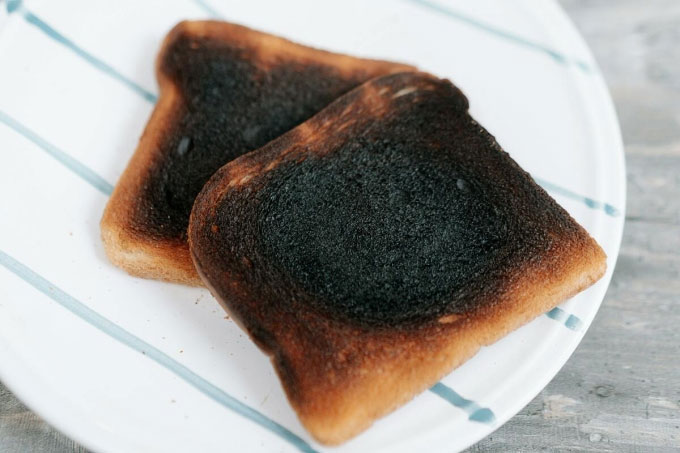
Some people believe that eating burnt bread can cause cancer. (Image: Pexel)
7. Women who are stressed are more likely to develop breast cancer.
In 2014, a study of 858 women in Poland assessed the long-term impact of stress on breast cancer incidence, suggesting a link between the two factors.
However, a 2016 study of over 100,000 women in the UK found no evidence linking stress to the disease. Another analysis from 2013, reviewing 12 studies with over 100,000 volunteers, yielded similar results. Stress also does not cause colorectal, lung, breast, or prostate cancer.
According to the National Health Service (NHS), stress is not directly linked to cancer, but prolonged stress can lead to high blood pressure and depression.
8. Artificial sweeteners cause cancer.
Diet sodas, chewing gum, and toothpaste all contain an artificial sweetener called aspartame. Some evidence suggests that aspartame may cause cancer. The World Health Organization (WHO) also classified artificial sweeteners as "possibly carcinogenic to humans" in June 2023.
However, experts say that a person would need to consume an extremely large amount of aspartame, more than 10 cans of soda per day, to develop a risk of cancer.
Specifically, the conventional daily intake of this sweetener (0-40 mg aspartame per kg of body weight) is reasonable. Currently, each can of sugar-free soda contains 200-300 mg of aspartame. Therefore, a person weighing between 60 and 79 kg would only be at risk if they consumed more than 9 to 14 cans of soda per day, assuming they did not consume this substance from other sources.
Please note the following:
Professor Bernard Steward, a scientific consultant at the Cancer Council Australia, recommends that we focus on the following four main cancer risk factors and avoid being distracted by others.
Note that these factors are specific to Australia. However, in developing countries, infectious diseases are also a risk factor for cancer.
1. Smoking
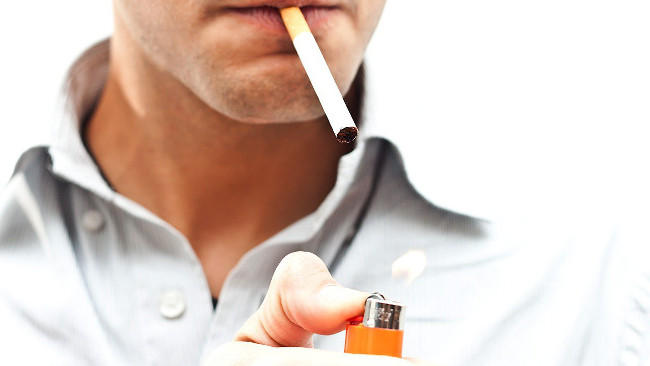
Smoking is the biggest risk factor for cancer among the four factors and is estimated to account for one-third of all cancer cases.
Smoking is the biggest risk factor for cancer among the four factors and is estimated to account for one-third of all cancer cases. Smoking not only causes lung cancer but also cancer in 13 other parts of the body. Smoking is also a major cause of negative health effects.
2. Obesity
Obesity accounts for approximately 15% of cancer cases, with the highest risk factors being breast and colon cancer. It's important to control your weight and strive to maintain a healthy weight. If obesity is a concern, consult your doctor for advice and support on improving your diet and exercise habits.
3. Alcoholic substances
Alcohol-related cancers account for 4% of all cancers, including oral, nasopharyngeal, laryngeal, esophageal, bowel, and breast cancers. Initial information suggested that only alcohol addiction caused breast cancer and that this was controllable.
However, Professor Stewart argues that larger studies are showing that daily alcohol consumption, even just once a day, is enough to have a small impact on breast cancer. To reduce the risk of cancer, it is best to avoid or reduce daily alcohol use.
4. Sunlight
According to Professor Stewart, it is difficult to estimate precisely how many cases of cancer are caused by sun exposure, but it is believed to be less than 4%, and all of them are skin cancers.
It's best to avoid actively exposing yourself to sunlight, such as sunbathing. Instead, protect your skin by covering up or using sunscreen when going out in the sun.
- Does a disease called "heart cancer" exist in the world?
- The world's first baby cured of brain cancer.
- Medical breakthrough: Using calcium to destroy cancer cells.