Scientists from the Vietnam Academy of Science and Technology have discovered many active compounds with antifungal, antibacterial, and cytotoxic properties in the mắc khén plant, a spice commonly used in the mountainous and midland provinces of Northern Vietnam.
Mắc khén, scientifically known as Zanthoxylum rhetsa (Roxb.) DC., belongs to the Rutaceae family and is known by several other names such as vàng me, sẻn hôi, hoàng mộc hôi . It is distributed in India, Myanmar, Laos, and Vietnam.
In Vietnam, mắc khén is considered a specialty plant of the northern mountainous region , especially in the provinces of Sơn La, Lai Châu, Điện Biên, Tuyên Quang, Lạng Sơn, Hà Giang, and some other areas such as Thanh Hóa and Nghệ An.
The ethnic minorities in the Northwest region often use the fruit of the mắc khén tree as a substitute for black pepper, a famous spice; the young leaves of this tree are also used as a spice.
In folk medicine, the mắc khén plant is considered a valuable medicinal herb. The fruit is used to treat bloating, diarrhea, and rheumatism. The essential oil from the fruit is used to treat vomiting and diarrhea. The bark is used to treat diarrhea, malaria, rheumatism, and loss of gastric tone.
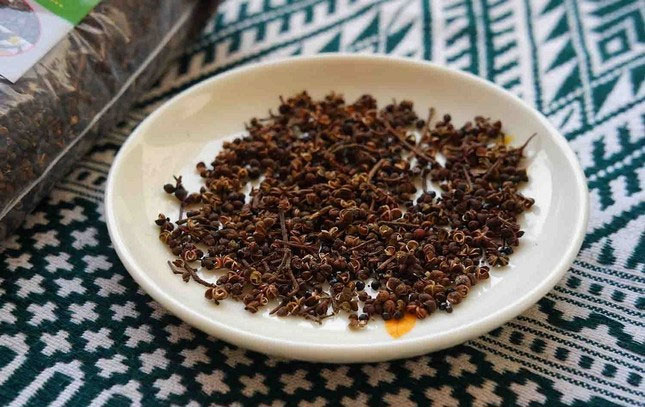
Mắc khén seeds are a popular spice used in the northern mountainous provinces of Vietnam.
However, there have not been many studies on the chemical composition and biological activity of this plant species in Vietnam.
To date, only a few results have been published on the chemical composition of fruit essential oils, and there have been no studies aimed at using highly active components as medicines.
In order to find active components with potential medicinal uses from this spice plant, Associate Professor Dr. Nguyen Thi Hong Van and her research team from the Institute of Chemistry of Natural Compounds ( thuộc the Vietnam Academy of Science and Technology) conducted the project "Research on the chemical composition and biological activity of Zanthoxylum rhetsa to guide the effective exploitation and utilization of this plant resource".
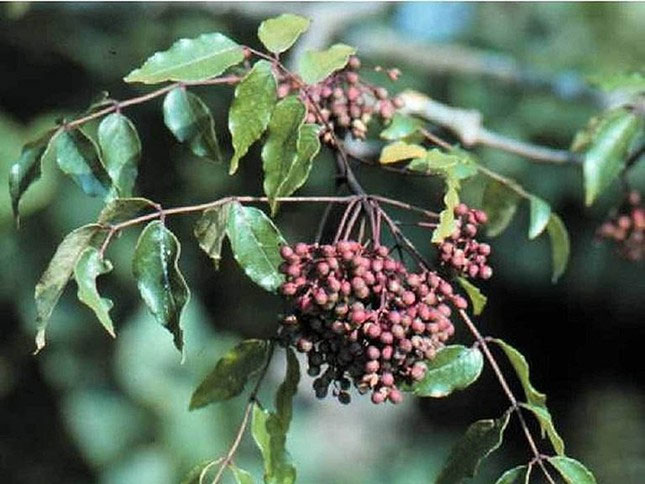
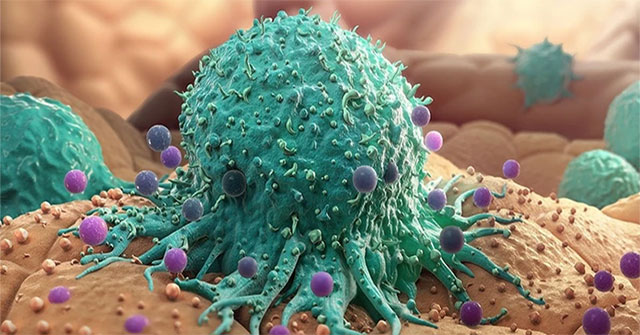
Scientists have discovered many active compounds with antifungal, antifungal, and cytotoxic properties against cancer cells from various parts of the mắc khén plant.
As a result, the research team isolated, identified the chemical structure, and determined the antifungal, antibacterial, and cytotoxic activity of secondary compounds from the leaves, fruits, bark, and branches of the mắc khén tree.
Specifically, 15 compounds were isolated and their structures determined from the bark, including one new compound, Zanthorhetsavietnamese , 8 compounds from the leaves, and 5 compounds from the fruit. Several compounds showed potential activity, notably nitidine and hesperidin.
The group also studied the chemical composition and antifungal, antibacterial, and cytotoxic activity of essential oil samples obtained from the fruit, leaves, fruit branches, leaf branches, and bark of the mắc khén tree.
Through their research, the team discovered potential components in the mắc khén plant, such as nitidine, hesperidin, and essential oils, which possess antifungal, antibacterial, and cytotoxic properties, and are present in high concentrations in the plant.
To effectively utilize these active ingredients for the development of valuable natural products for public health care, scientists recommend further research on other activities such as anti-inflammatory, analgesic, antioxidant, immune-boosting, acute toxicity, subchronic toxicity, etc., of these components.