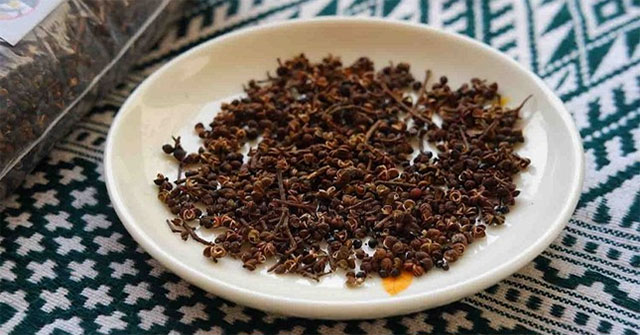
CancerScientists from the Vietnam Academy of Science and Technology have discovered many active compounds in the mắc khén plant that have antifungal, antibacterial, and cytoto…
December 16, 2025
Medicine - HealthSalt is an indispensable spice in life, but if you eat too much salt, the price you pay is your health and longevity.
January 28, 2025
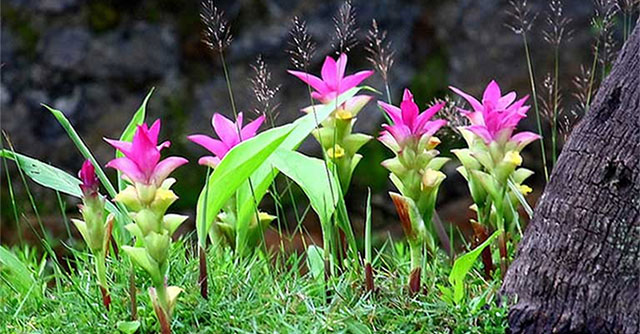
BiologyAlthough sold in abundance in markets in Vietnam, this is a rare commodity in the world.
December 18, 2024
HealthCoffee has many health benefits when consumed properly. Here are some suggestions on what to add and what not to add to make your cup of coffee healthier and more benefi…
December 10, 2024

Scientific applicationWithout seeds, housewives can still grow mini spices to make their kitchen more beautiful.
October 28, 2024

HealthAs one of the most widely used and loved spices in the world, black pepper is known as
October 28, 2024
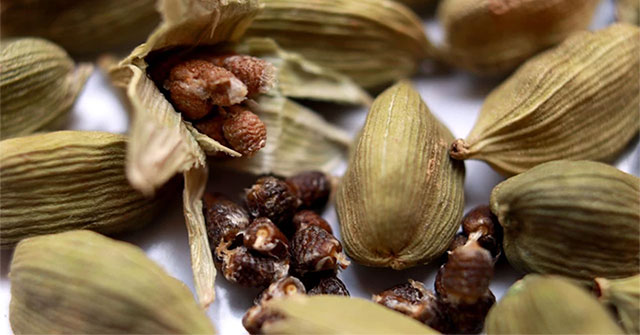
BiologyThis spice is the third most expensive in the world, after saffron and vanilla.
October 10, 2024
HealthEthylene oxide (also known as oxirane and epoxide) is an organic compound with the chemical formula C2H4O, commonly found as a colorless and highly flammable gas.
October 2, 2024
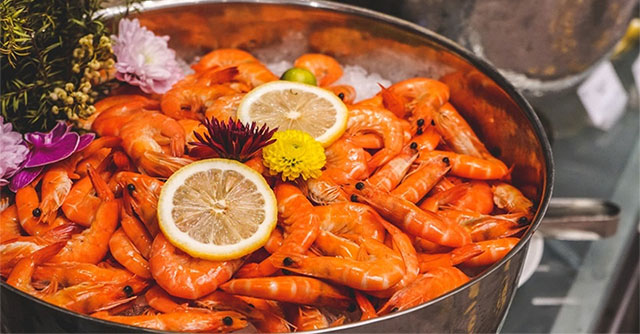
HealthDishes that use alcohol as a spice, sugary fruits, or easily fermented beverage products can all create alcohol levels.
May 29, 2024
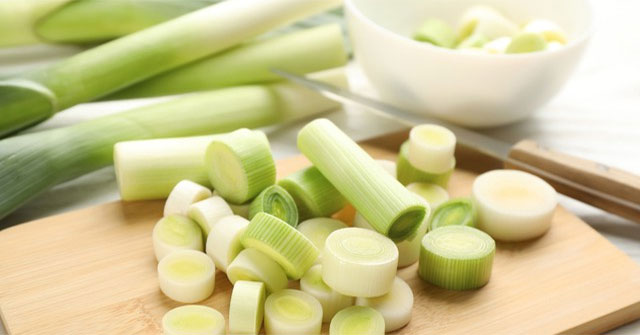
HealthThis vegetable helps prevent heart disease, nourishes the eyes, is good for the brain as well as helps with healthy digestion and blood sugar control.
April 16, 2024
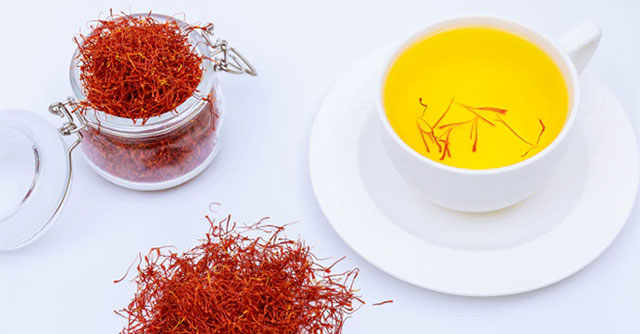
HealthThis drink uses one of the most expensive spices in the world, bringing many health benefits such as improving mood and good for the heart.
April 9, 2024
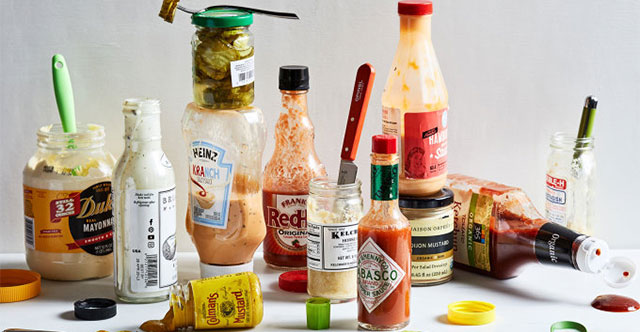
Food safetyDepending on the ingredients, ketchup, salad dressing or mustard can last several months to a year.
March 27, 2024

Scientific applicationAdventurous scenes are an indispensable 'spice' in action movies, especially for big blockbusters.
April 28, 2022
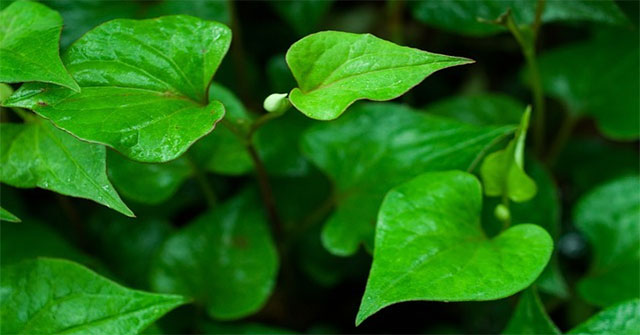
HealthDrinking water with lettuce leaves, chives mixed with honey, basil leaves, river bones... can soothe coughs and sore throats when it's cold.
November 5, 2021
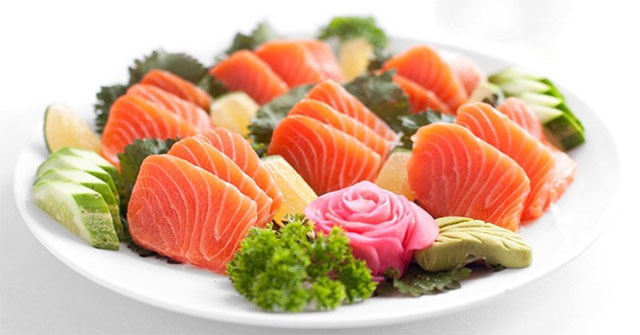
LifeThe Japanese do not use spices of chemical origin, limited canning so they are able to cope with dangerous diseases.
June 29, 2020