In ancient times, black teeth were considered a symbol of female beauty, popular among women of all social strata for centuries. In Japan, the practice of dyeing black teeth is called Ohaguro.

Dyeing black teeth is a long-standing practice in Japan and therefore, women in Funeral Country practice this tradition and consider it a symbol of beauty.
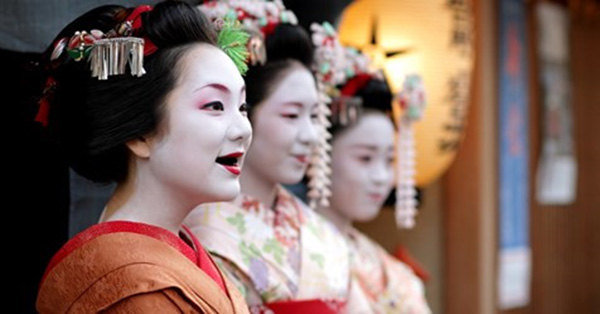
Not only unmarried women, married people also perform black teeth dyeing.
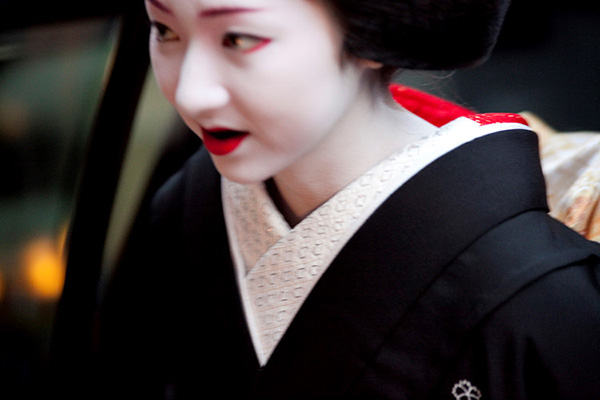
This practice is popular in all walks of life from geisha, women to noble women.
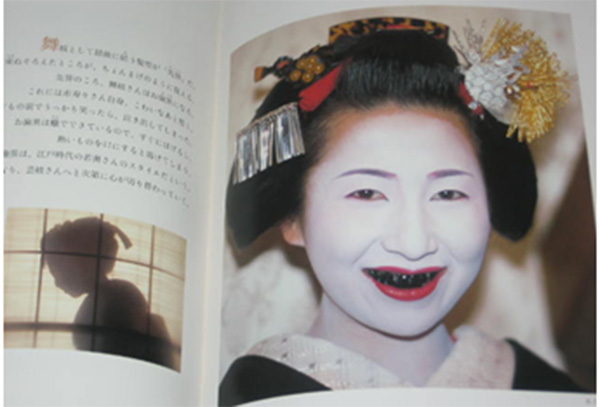
According to some historical documents, black tooth dyeing was popular in Japan around the Heian period (ie around 794 - 1192).

In order to dye black teeth, ancient Japanese used iron powder soaked in tea or sake. When iron is oxidized, the liquid will turn black.
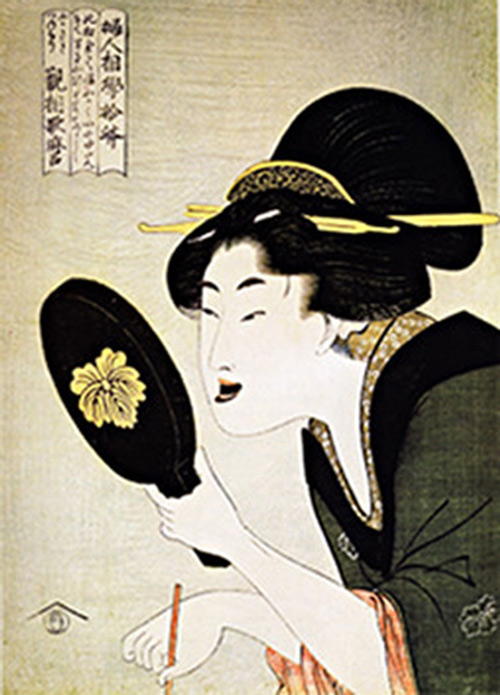
To reduce the unpleasant smell of this mixture, some other ingredients such as cinnamon, star anise or clove grass are added.

Next, women will drink the mixture and their teeth will gradually turn black. This is done by women every day or every few days to keep the color of the teeth.
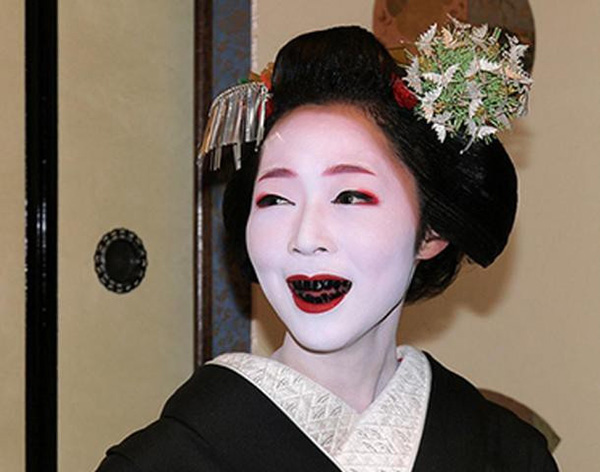
Not only is the symbol of beauty, ancient Japanese people also conceived that dental staining is beneficial for oral health.

The custom of black teeth dyeing is thought to gradually disappear in the late 19th century.
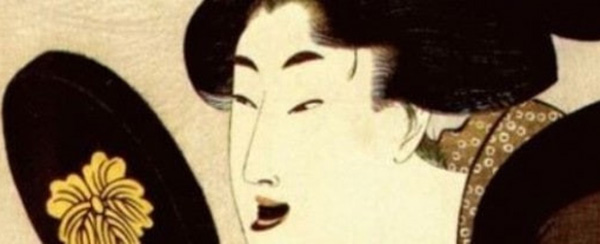
However, on February 5, 1870, Japan ordered a ban on the custom of staining teeth.Then, the new standard of beauty for women is bright white teeth.Since then, fewer and fewer women dyed black teeth.