We often see milk white. Is milk really white, or can milk have other colors, but is our vision fooled and seeing white milk? Is milk yellow good? Is milk always white?
Milk is made from about 87% water and 13% solids, such as fat and protein. Chief among these proteins is casein, these four casein proteins account for about 80% of the protein in milk. Casein protein molecules often float in milk and are spherical, about one micrometer. The reason they often float in liquid is because kappa-casein molecules have a negative charge, so they repel each other.
White objects in nature appear like this when there is a diffuse light that occurs and no clear spectrum reflects on these objects more than any other part of the bright spectrum. Therefore, casein proteins and some of the fats in milk disperse and deflect light through the visual spectrum. As a result, we see milk is white. Without fats, the caseins tend to disperse the lighter blue wavelengths of red. So, with skimmed milk (no fat), you will see a little blue sheen.
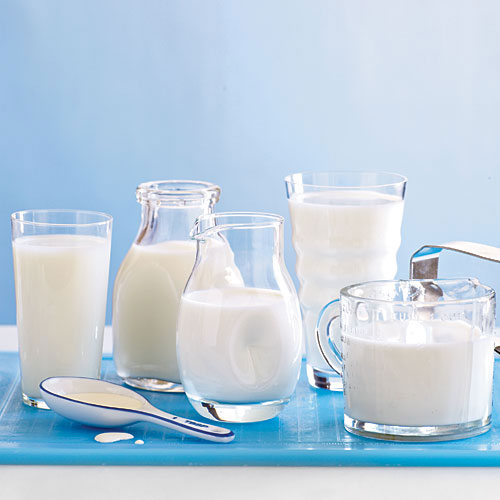
In addition, milk also contains riboflavin , which can give milk a little green, if the concentration is large enough, such as in some skimmed milk or milk.
Another color that you will sometimes see in milk is light yellow. When you see this color, it's because a small amount of carotene is present in the milk .
Here are some other facts that explain the milk is white and some useful milk-related information:
This red, not red dispersion is the result of the Tyndall light dispersion effect and also the reason why sometimes we see smoke from cars or motorcycles discharging is a bluish color when some types Engine oil is burned.
Until Newton's conclusion about light, most people assume that white is a primary color of light and you will see other colors when adding something to white. Newton proved this to be a mistake by showing that white light is simply the effect of combining all the colors in the spectrum that the naked eye can see.
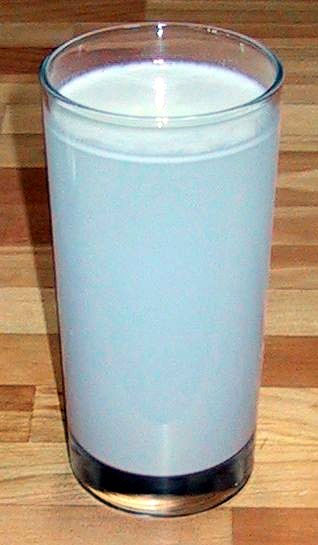
Do you find this cup of milk to be greenish?
White paint is usually created by providing a transparent material with a high refractive index, and they float in some types of adhesives. Typical material used is calcium carbonate or a synthetic rutile form.
Breastmilk secretes when giving birth, also known as colostrum, feeding a baby is great because colostrum carries antibodies from the mother to the baby, which significantly enhances the baby's immune system.
About 40% of the calories in cow's milk come from lactose. Lactose is a mixture of glucose and galactose. The phenomenon of lactose intolerance is due to the lack of lactase enzymes in the small intestine. When the baby is born, lactase levels will gradually decrease if the baby is not breastfed regularly. Because when lactose passes through the small intestine, it is attached to lactase and then, galactose and glucose from lactose can be absorbed.
Without lactase, this is not possible, and the body without lactase can also cause diarrhea, intestinal gas, abdominal pain, etc. The gas in the small intestine when lactose is not digestible is because the microbes in the intestine treat lactose and excrete gas through anaerobic respiration.
According to one discovery, humans have used animal milk sources from at least 6,500 years BC. Previously, it was thought that the human digestive system at that time still did not develop the ability to treat milk from non-humans.
Milk pasteurization can kill microorganisms in milk, while destroying Vitamin C, as well as significantly reducing other health benefits of milk.
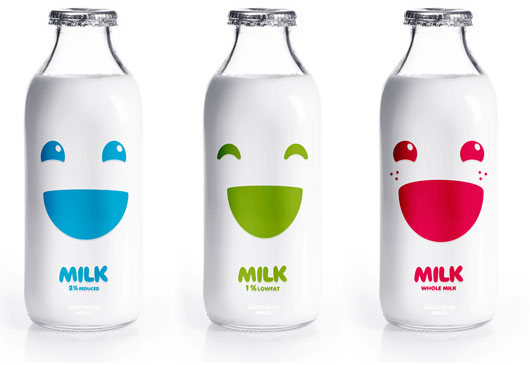
A new treatment process has been developed and proven to be superior to milk pasteurization. It is a fine filtering process . First, the cream is separated from milk, because the cream cannot be properly filtered if left in the milk. Next, the milk must pass through the fine filtration tubes, filtering up to 99.9% of all microorganisms. This process is about 5% better than the usual milk pasteurization process; Better filtration also helps significantly prolong the shelf life of milk. Next, the cream is sterilized in the usual way and then combined with milk to form creamy and milk-like milk before microfiltration.
The reason raw milk quickly deteriorates when left out is because lactose in milk is not treated with microorganisms into lactic acid. Depending on the processing of microorganisms, this may produce different products, such as cheeses, yogurt, etc.
Pasteurized milk often destroys many types of bacteria that produce lactic acid. As a result, milk cannot ferment properly, allowing microorganisms to thrive. This can lead to food poisoning. This usually does not happen in raw milk because the fermentation of lactic acid produces bacteria that significantly reduces "bad" microorganisms.
Sterilized milk using extremely high temperature treatments can be stored for several months without refrigeration, as long as it remains unopened. This also changes the taste of milk a bit, which is why milk pasteurization is not preferred.
Casein molecular structure is similar to that of gluten. This is why a diet that does not contain gluten also means not containing casein.