After 20 years of field research in the most remote places on Earth, scientists of the Rapid Assessment Program (RAP) of the International Conservation Organization (CI) have just announced 20 species of 'supposedly' stars' - the most prominent was discovered during their survey trips.
Dr. Leeanne Alonso, director of RAP , said she and leading scientists CI have chosen 20 'star' animals because they often have strange, unique, representative body shapes and colors. for each group of organisms, from insects to amphibians, birds to mammals.
According to scientists, some RAP species have been observed before, but there are also many species that have been identified as new to the scientific world.
Dr. Alonso revealed that RAP researchers have spent 20 years on field surveys looking for new species in some of the most remote and remote areas on the planet. They completed 80 expeditions in 27 countries and discovered about 1,300 species of creatures.
Unfortunately, most of them are seriously threatened by habitat loss, pollution and other human-related problems.
Statistics show that the Earth currently has about 1.9 million animals described by the scientific world, but they estimate there are still about 10-30 million species still undiscovered and many species have disappeared before they have an opportunity to observe them.
Entering the anniversary of the 20-year journey (1990-2010) to implement the Rapid Assessment Program, CI has just released a new book, which introduces 20 animal stars according to their votes.
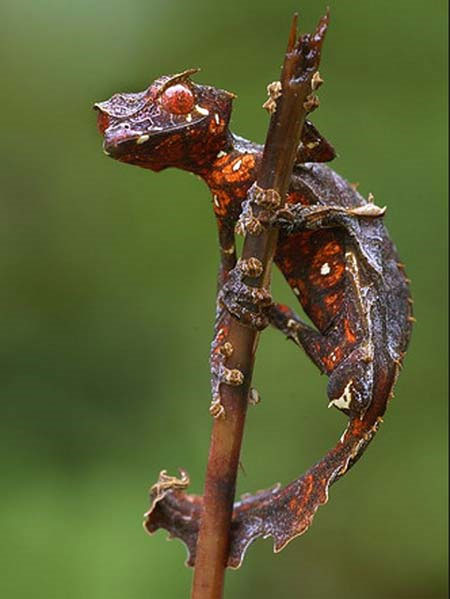
Uroplatus phantasticus, Uroplatus phantasticus (once seen before, is not a new species to the scientific world), Madagascar. Photo: Piotr Naskrecki
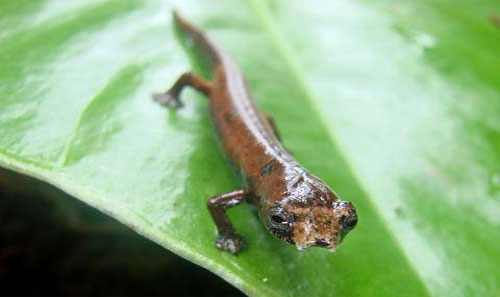
Convex eye salivary, Bolitoglossa sp. nov (new species for the scientific world, discovered by RAP), Ecuador. Photo: Jessica Deichmann
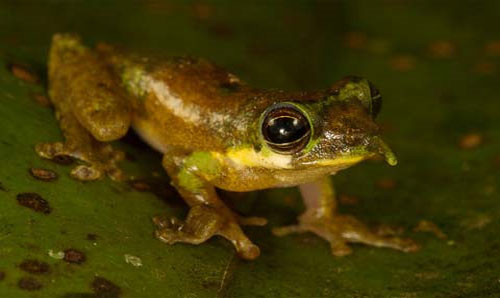
Frog Pinocchio, Litoria sp. nov (new species for the scientific world, discovered by RAP), Papua New Guinea. Photo: Tim Laman
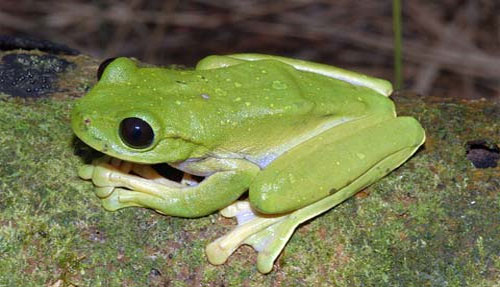
Big tree frog, Nyctimystes sp. (new species for the scientific world, discovered by RAP), Papua New Guinea. Photo: Stephen Richards
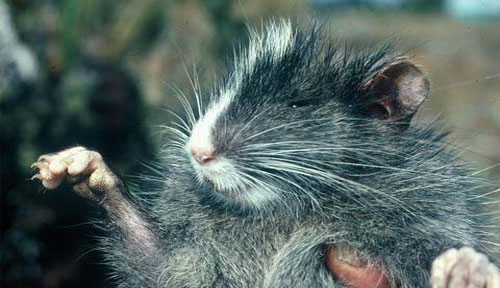
Mouse Chinchilla tree, Cuscomys ashaninka (new species for the scientific world, discovered by RAP), Peru. Photo: Louise Emmons
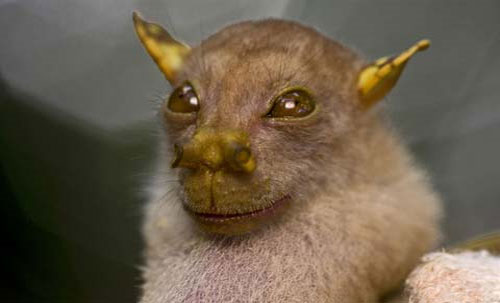
Yoda bat, Nyctimene sp. nov (new species for the scientific world, discovered by RAP), Papua New Guinea. Photo: Piotr Naskrecki
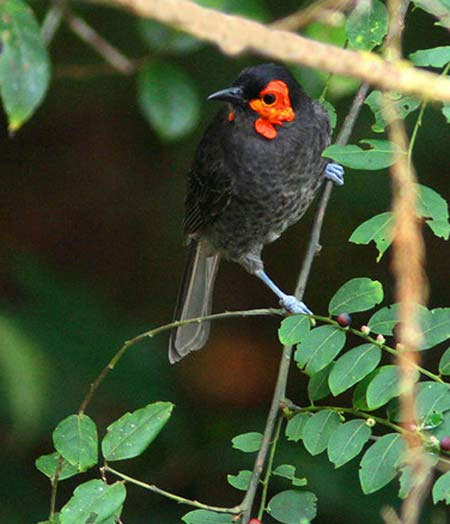
Birds eat bile, Melipotes carolae (new species for the scientific world, discovered by RAP), Indonesia (Western New Guinea). Photo: Bruce Beeler
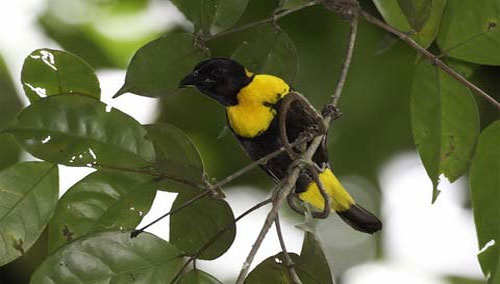
The wild dragon, Malimbus ballmanni (once seen before, is not a new species to the scientific world), Guinea. Photo: David Monticelli
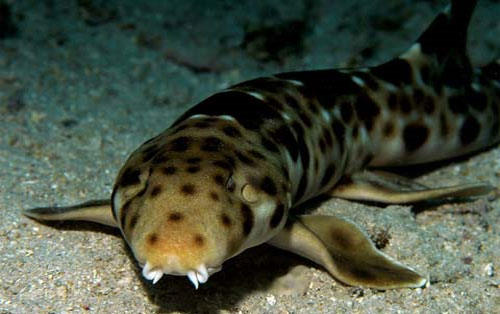
'Walking' sharks, Hemiscyllium galei (new species to the scientific world, discovered by RAP), Indonesia. Photo: Gerald Allen
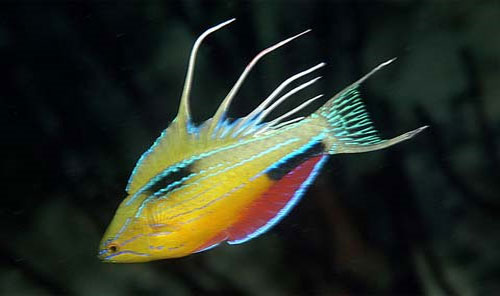
Fishing fish, Paracheilinus Nursalim (new species for scientific circles, discovered by RAP), Indonesia. Photo: Gerald Allen
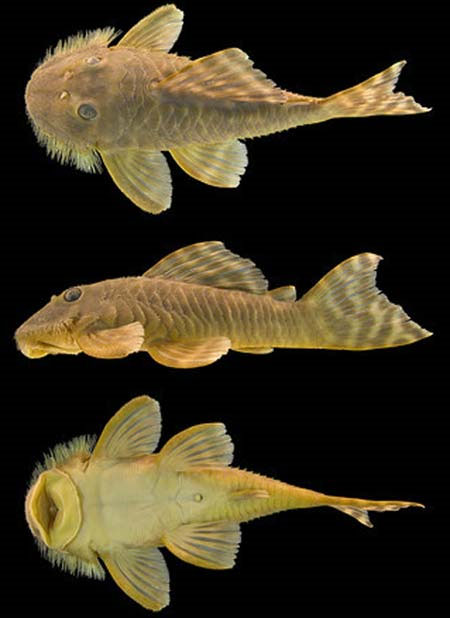
Catfish, Pseudancistrus kwinti (new species for the scientific world, discovered by RAP), Suriname (South America). Photo: Phil Willink
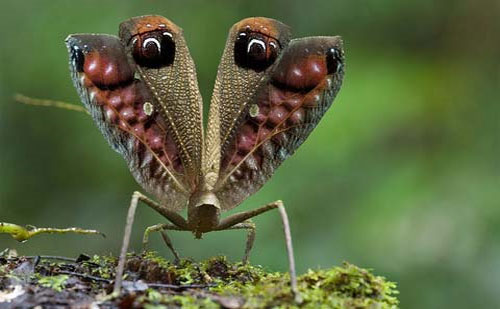
The 'peacock' grasshopper, Pterochroza ocellata, (once seen before, is not a new species to the scientific world), Guyana (South America). Photo: Piotr Naskrecki
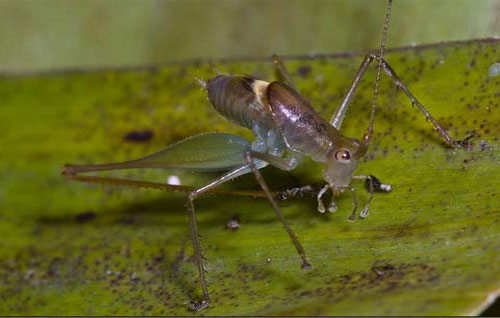
RAP grasshopper, Brachyamytta rapidoaestima (new species for scientific circles, discovered by RAP), Ghana and Guinea. Photo: Piotr Naskrecki
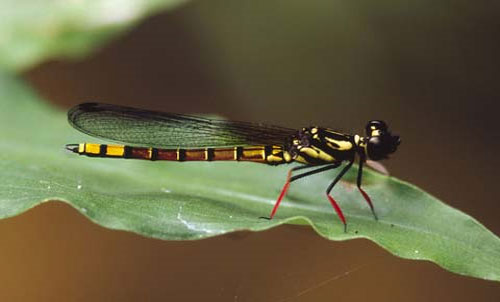
Dragonfly, Platycypha eliseva (new species for the scientific world, discovered by RAP), Congo. Photo: Klaas-Douwe B. Dijkstra
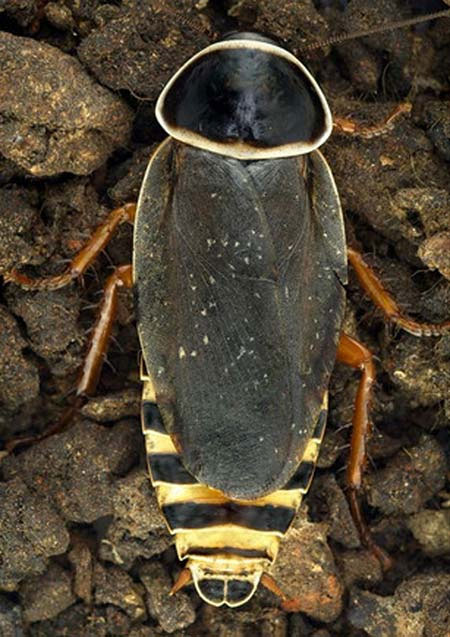
Cockroaches, Simandoa conserfariam (new species for the scientific world, discovered by RAP), Guinea. Photo: Piotr Naskrecki
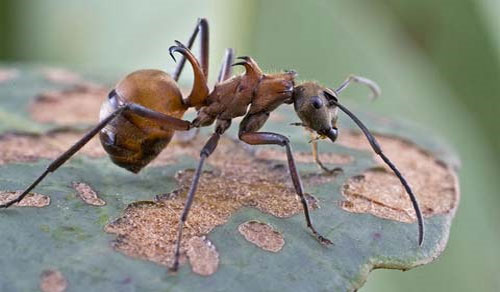
'Fishhook' ants, Polyrhachis bihamata (once seen before, are not new species to the scientific world), Cambodia. Photo: Piotr Naskrecki
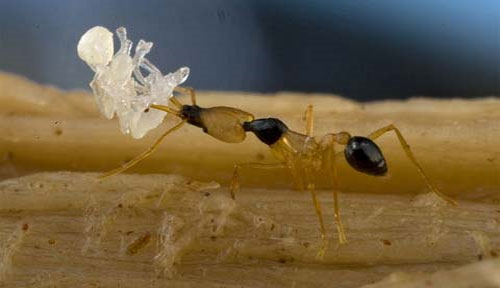
Strumigenys tigris, Strumigenys tigris (once seen before, is not a new species to the scientific world), Papua New Guinea. Photo: Piotr Naskrecki
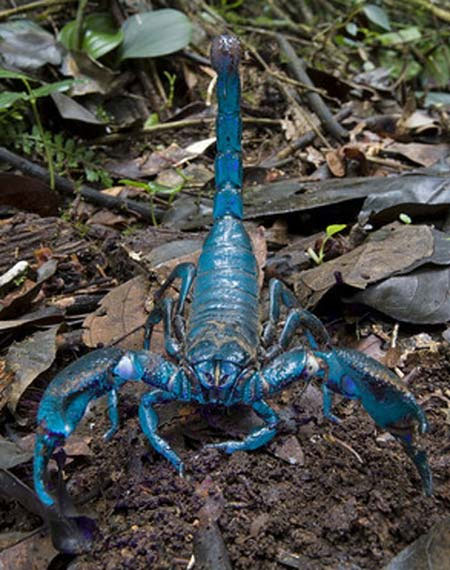
Emperor scorpion, Pandinus imperator (once seen before, not a new species to the scientific world), Ghana. Photo: Piotr Naskrecki
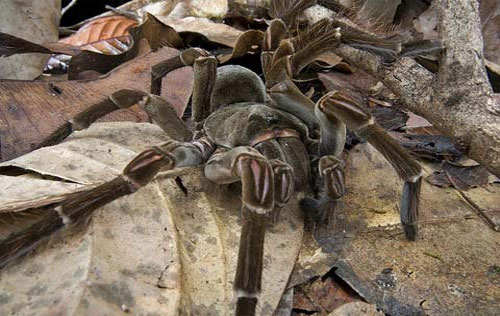
Goliath, Theraphosa blondi spiders (once previously seen, not new to the scientific world), Guyana. Photo: Piotr Naskrecki
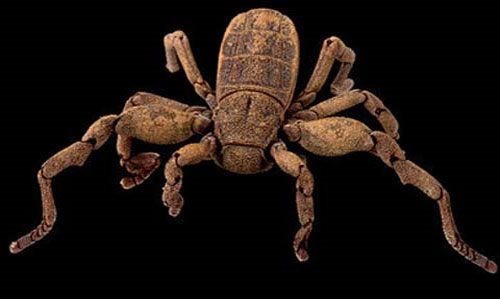
Spider Dinospider, atewa Ricinoides (new species for the scientific world, discovered by RAP), Ghana. Photo: Piotr Naskrecki