Animal world
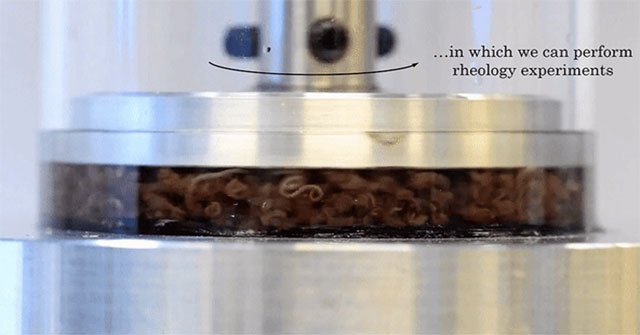
Why do scientists get worms to drink and make them spin like this?
The tiny worm, drunk and thrown into a dizzying camera can allow people to better understand the world.
Discover wildlife, animal behavior, unusual species, survival strategies and remarkable adaptations from ecosystems around the world.
6,142 published items in this category and its subcategories.
The tiny worm, drunk and thrown into a dizzying camera can allow people to better understand the world.

Snakes are reptiles with deadly beauty and always attract the attention of scientists around the world. Snakes can move on many different terrain, from crawling on the g…
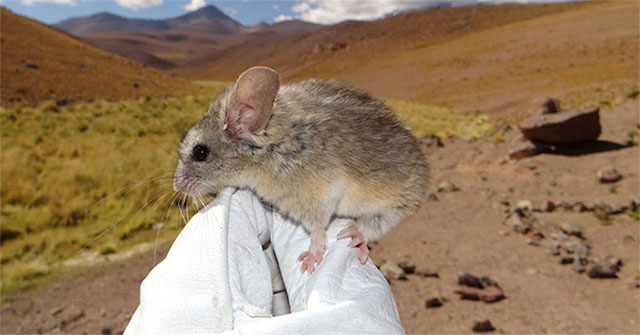
Experts found that mammals live at the world's largest elevation, where trees cannot grow and the temperature drops to -65 degrees Celsius.
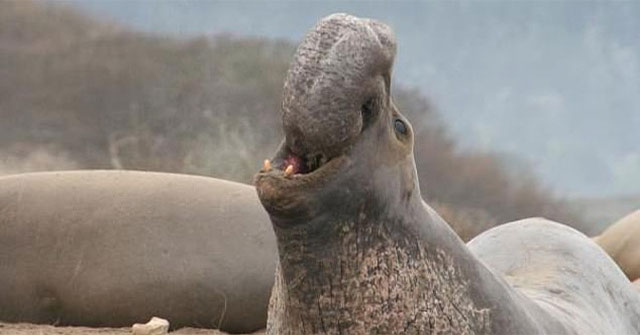
Not only in human populations (women live longer than men), scientists found other mammals also have a longer life span than males.
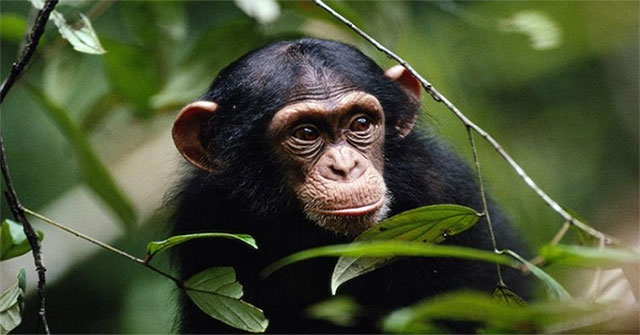
Honey bees, chimpanzees, American buffalo frogs or Caribbean lobster lobsters often take the initiative to stay away from co-infected viruses or bacteria that cause cont…

Large herbivores such as elephants often look for natural mineral deposits to replenish their sodium intake because minerals from plants and water are not sufficiently s…
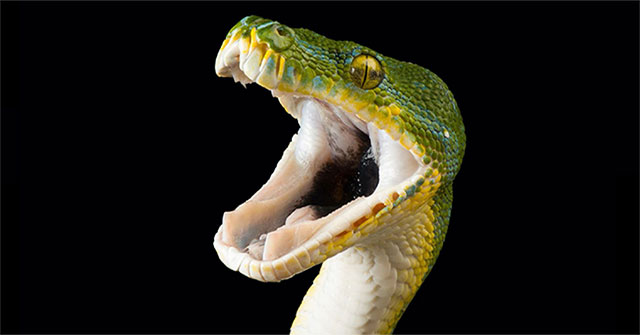
'Kill what it does, do not touch it, it does not bite', this is a saying that many people get when they intend to smash a snake when it crawls into their home.
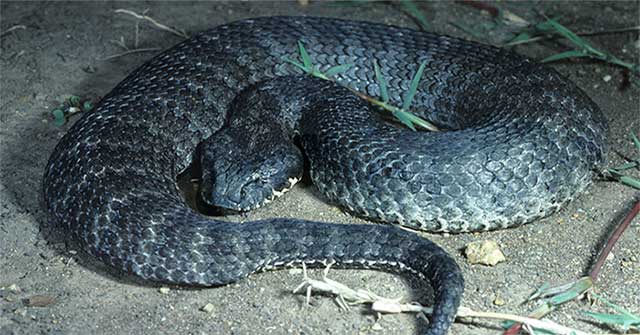
Unlike other venomous snakes, the death cobra does not actively hunt, but lies at one end of its tail, luring its prey to come and eat it.
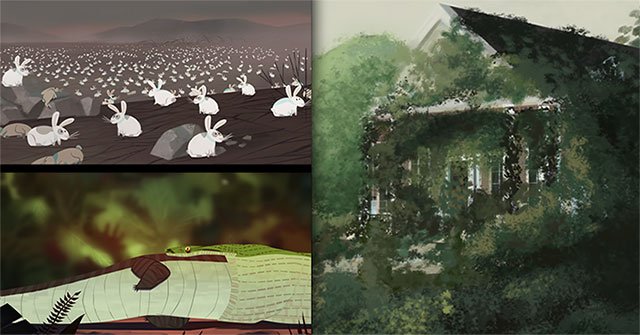
Most ecosystems in the world are the result of millennia of evolution of species, adapting to the environment until equilibrium is reached.
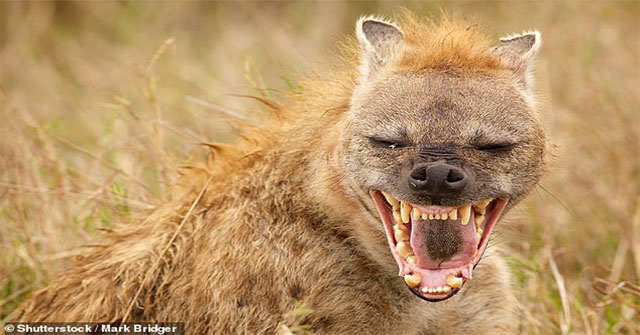
Scientists discovered that ancient humans 2 million years ago shared a migration pattern with one of the world's most terrifying beasts.
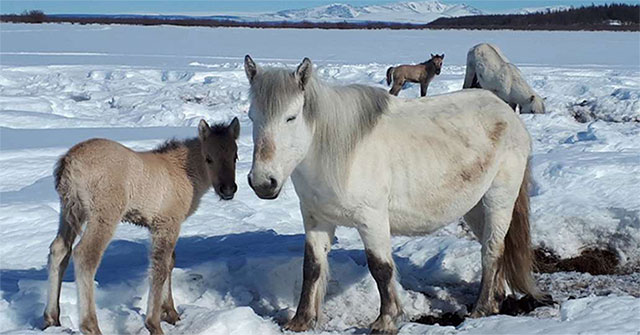
The presence of polar horses, bison or reindeer in the polar regions can slow down the rate of everlasting melting, helping to combat climate change.

Crocodiles have been around for nearly 100 million years, thanks to their special biological characteristics and skills that help them adapt to climate change.
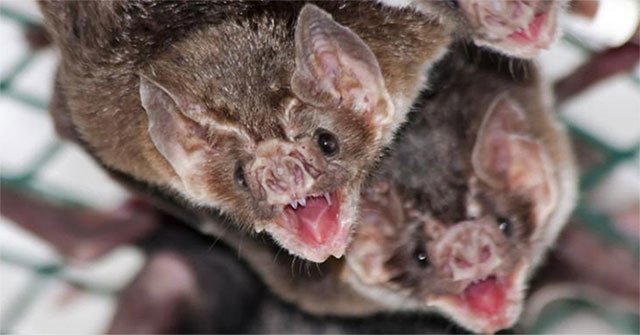
When making friends, the bat will groom and share food that is drawn from other creatures by mouth.

Females can actively mate with males of another species if that provides a better chance of adaptation, the new study says.
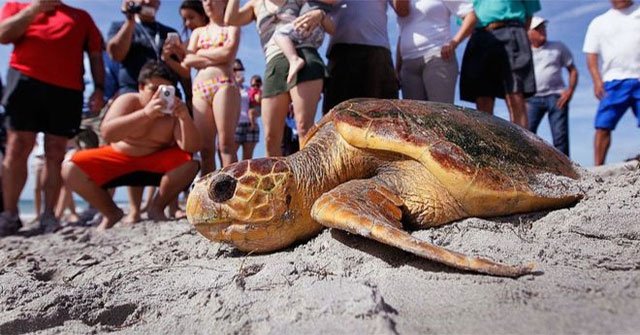
Scientists have new evidence to explain why plastic is dangerous to sea turtles: animals confuse the scent of plastic with food.