Animal world
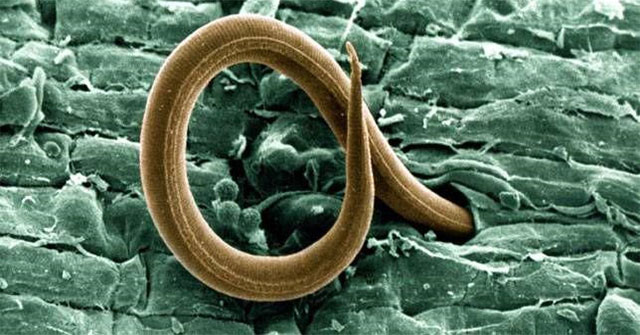
The 41,000-year-old worm is resurrecting from ice
The multicellular bacteria and animals are gradually recovering when the polar ice begins to melt. One of the specimens has a life expectancy of up to 41,000 years.
Discover wildlife, animal behavior, unusual species, survival strategies and remarkable adaptations from ecosystems around the world.
6,142 published items in this category and its subcategories.
The multicellular bacteria and animals are gradually recovering when the polar ice begins to melt. One of the specimens has a life expectancy of up to 41,000 years.
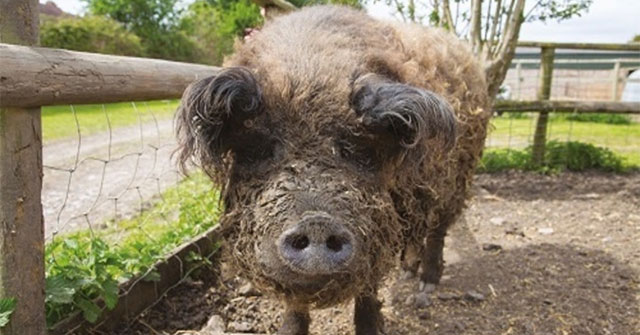
The rare male boar with a curly hair like wool does not only escape many times but also finds it
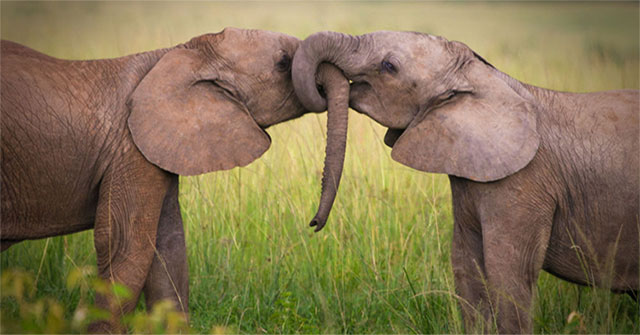
Spanish geneticists have demonstrated that the length of lelomere (the repeat sequence of DNA at chromosome ends) reflects the average lifespan of not only humans, but a…
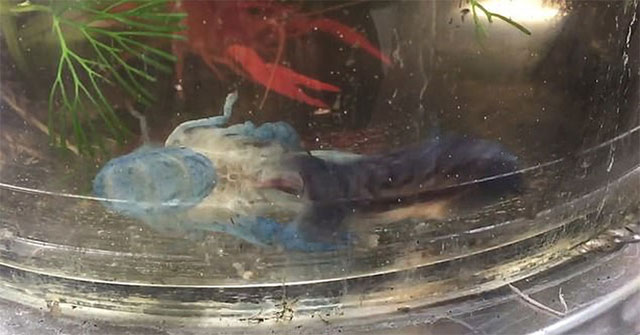
Video of shrimp molting in Vietnam but so impressive to the foreign newspapers.
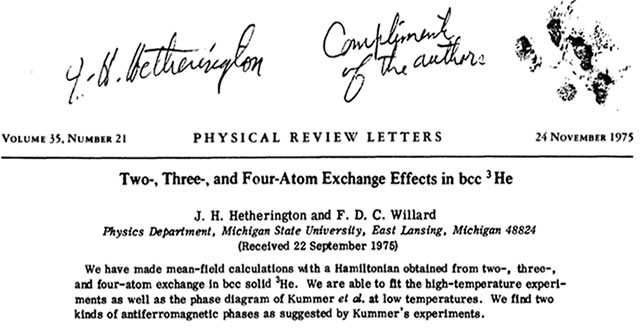
This is a true story that happened in 1975 and this study was reviewed, then published in Physical Review Letters to describe the experimental results of the discovery o…
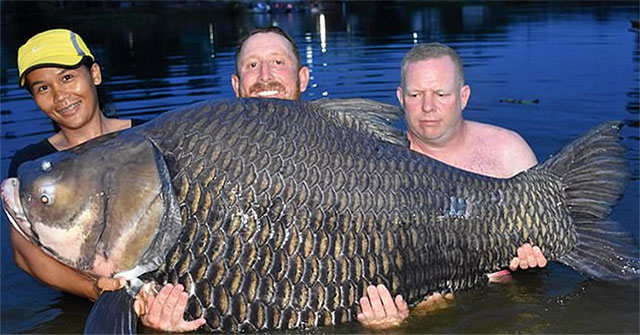
The coral fish weighs more than one quintal, so the angler from England must ask two friends to help him to lift it to take a picture.

The man standing on the shore helplessly watched the swan beat the pet dog swimming in the lake.

A female shrimp egg, smaller than a grain of sand, can wait 10,000 years until it meets a suitable environment to hatch.
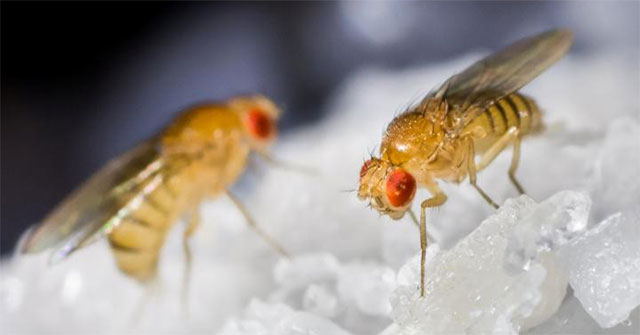
The effects of stimulants on animals are as bad as humans.
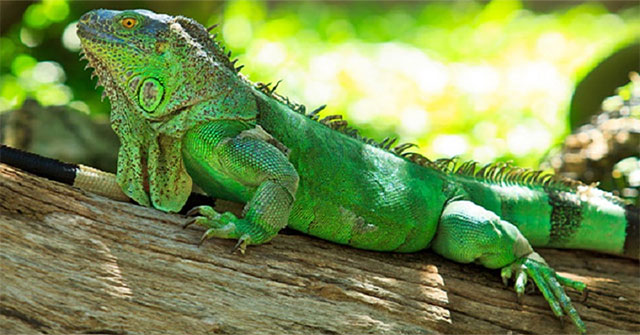
The blue iguanas can invade where nesting eggs of extinct turtles are by digging burrows and breaking leather turtle eggs.
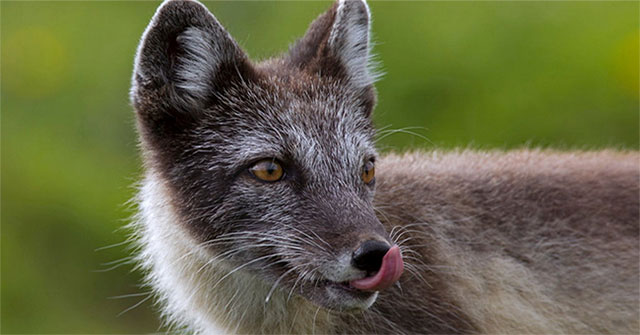
Scientists were 'stunned' when they discovered the Arctic snow fox that went from Norway to Canada - a journey of 3.506km - in just 76 days.
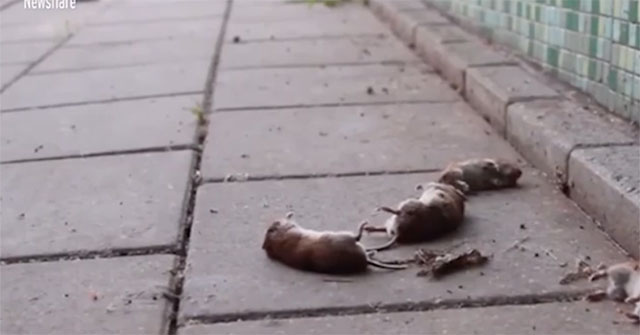
More than 500 rats were found in the Netherlands, causing many people to be curious about the cause of the rodent's death.
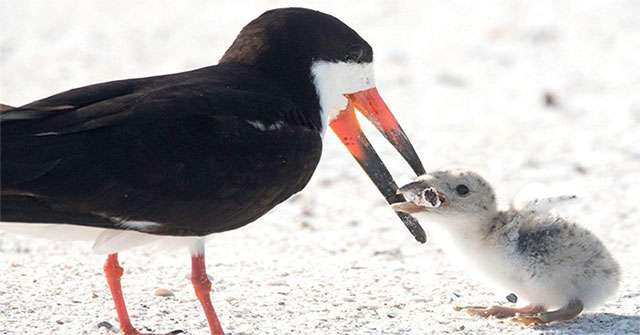
The image shows a thin, black bird (like a seagull) giving children a piece of abandoned cigarette on the beach.
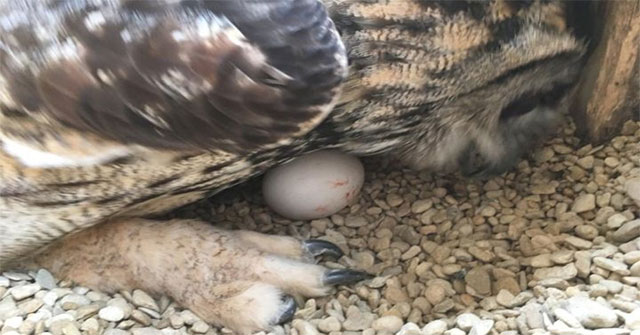
The eagle owl shocked the whole sanctuary in England by laying an egg for more than 20 years, it has always been like a bull.
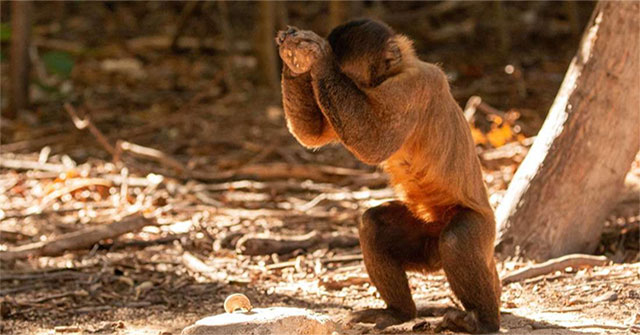
To be as successful as it is today, people have undergone an evolutionary process lasting millions of years, originating in the Stone Age from 3.6 million years ago.