Animal world
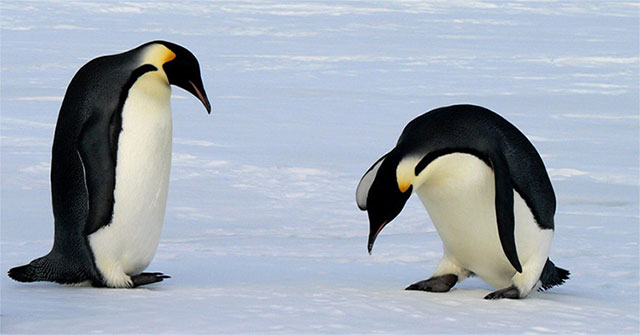
Why don't penguin's feet get cold?
How long can you stand on the ice in Antarctica before your feet freeze? Probably from 1 to 2 minutes.
Discover wildlife, animal behavior, unusual species, survival strategies and remarkable adaptations from ecosystems around the world.
6,142 published items in this category and its subcategories.
How long can you stand on the ice in Antarctica before your feet freeze? Probably from 1 to 2 minutes.
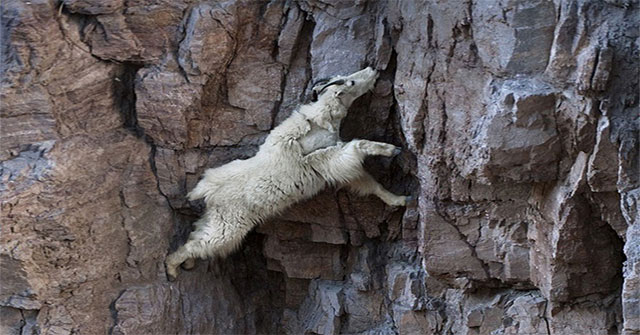
Surely you do not believe your eyes when you see a mountain goat standing on a cliff, where hardly any species can reach. But it's amazingly natural.
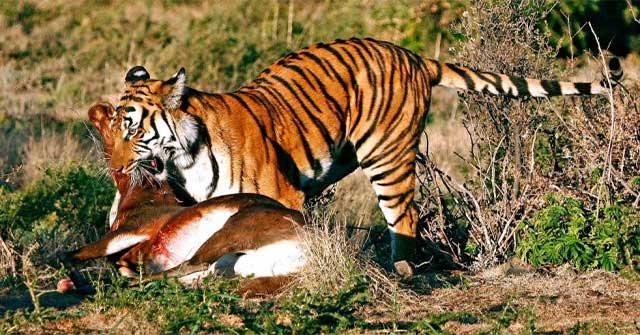
These big 'cats' can take down their prey without any help from their kind.
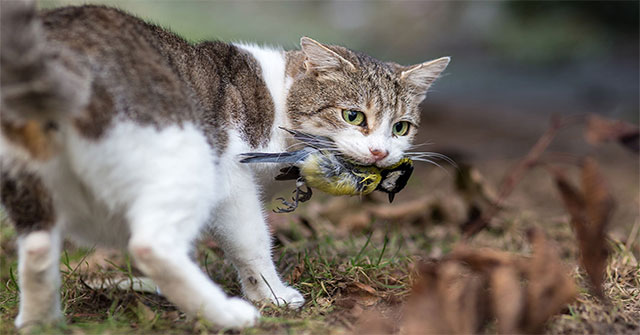
The Australian government has launched a plan to throw poisoned sausages from now until 2020 to destroy more than 2 million wild cats to protect local species.
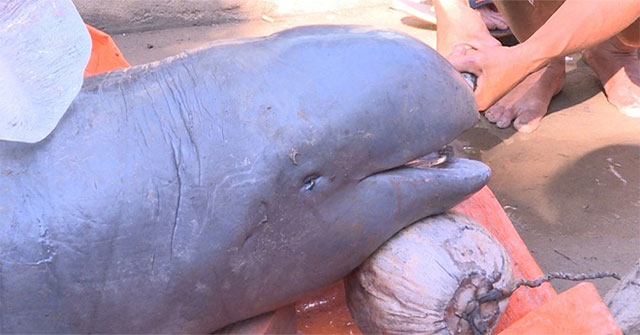
150kg strange fish caught by fishermen on Co Chien River is Minh Hai, a fish that seems to be extinct in Vietnam.
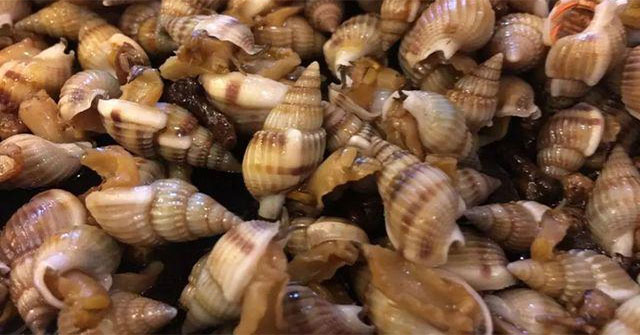
Serrated mud snail is a kind of mud snail, Nassarius papilosus scientific name, contains tetrodotoxin, this is a toxin that damages the nervous system, more serious can…
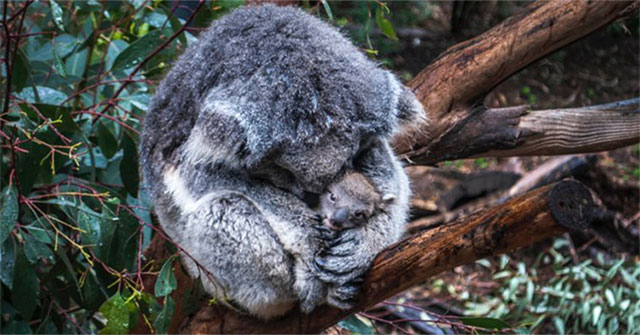
What is extinction function? Why do koala bears fall into that situation?
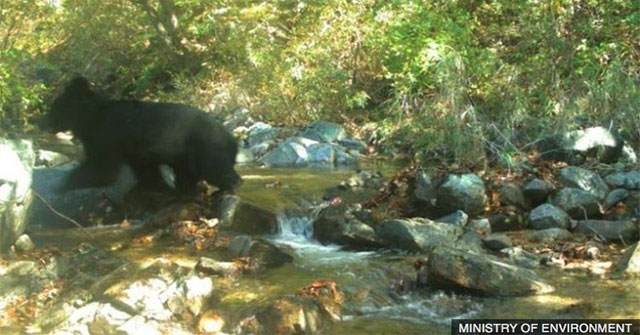
A rare Asian black bear has just been discovered in the Demilitarized Zone (DMZ) on the Korean Peninsula, the Korean Government said.
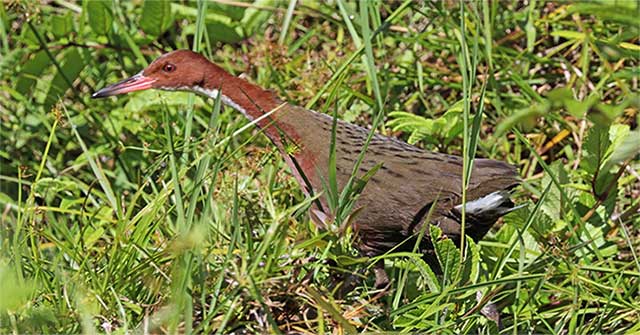
Repeat evolution has helped an ancient bird to reappear in the Indian Ocean and survive today.
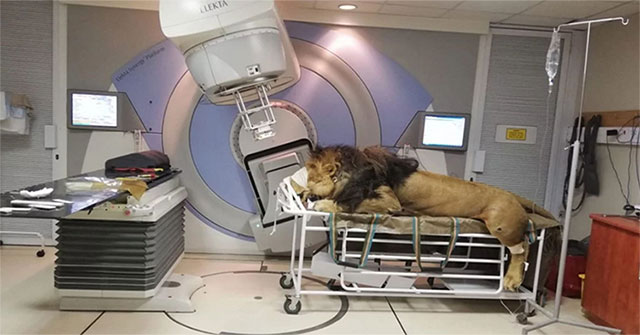
The South African lion was taken to a hospital in Tshwane, South Africa, to treat early-stage skin cancer.

Blue electric 1-inch individuals were stuck in limestone caves that were sunk in the desert of Nevadan since the Ice Age. In 2013, their number was only 35.
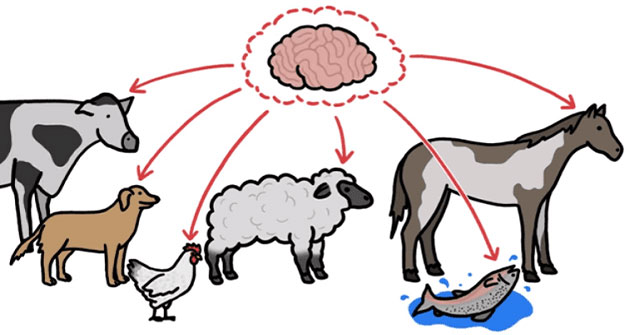
Human breeding of domesticated animals can cause their brains to shrink in size.
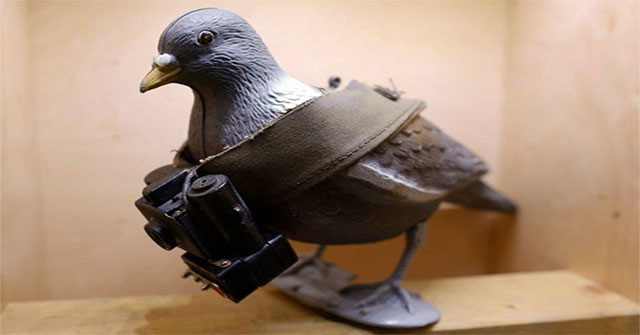
Not only whales, intelligence agencies around the world may have used pigeons, cats, eagles, pelicans ... for spy missions.
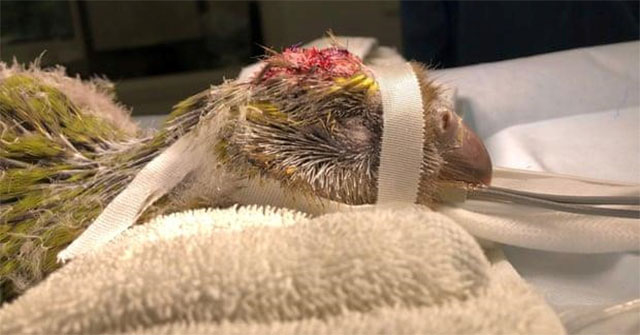
For the first time in the world, New Zealand doctors have applied human anatomy to brain surgery for a young kākāpō parrot with birth defects.
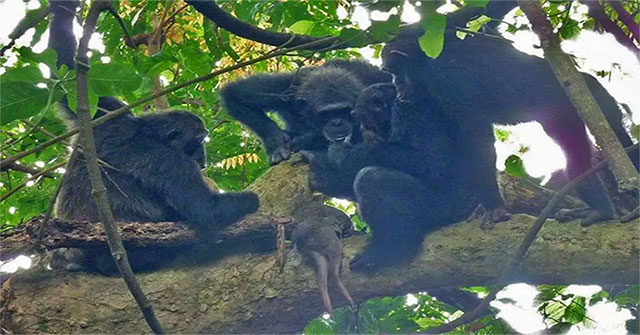
Proactive behavior against apricot newspapers to monopolize food was first observed in chimpanzees in Tanzania.