
Archeology
Finding the 'cosmic death zone' where Earth life may have been born
An experiment targeting the chaotic and dead regions of the universe could help explain the origin of life on Earth.
Explore archaeological discoveries, fossils, ancient civilizations, human origins and artifacts that reveal how people and species lived in the past.
5,314 published items in this category and its subcategories.
An experiment targeting the chaotic and dead regions of the universe could help explain the origin of life on Earth.
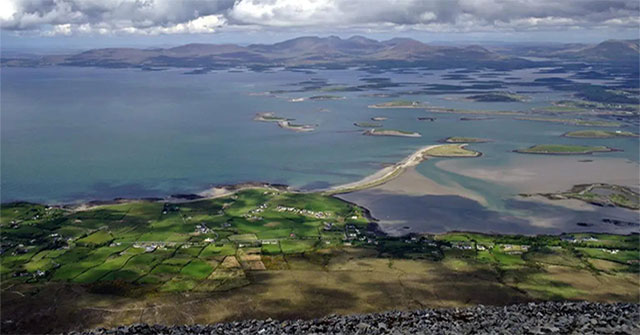
Surveying at the right time there was a man cutting seaweed in the area, Irish archaeologists discovered
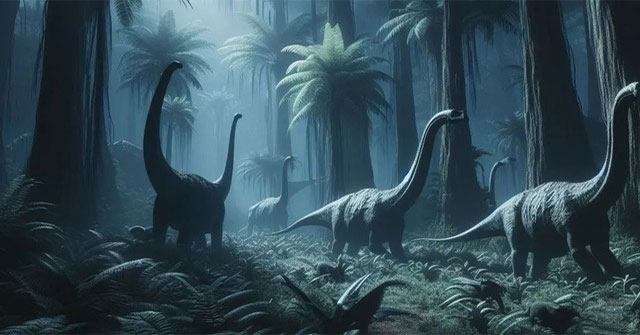
This Cretaceous beast belongs to a species and genus of titanosaurs previously unknown in the world.
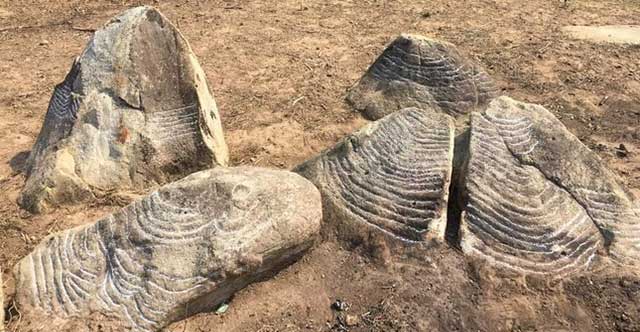
Yen Bai Provincial Museum in collaboration with the Institute of Applied Research in Culture and Tourism has just discovered 15 more ancient stone blocks depicting terra…
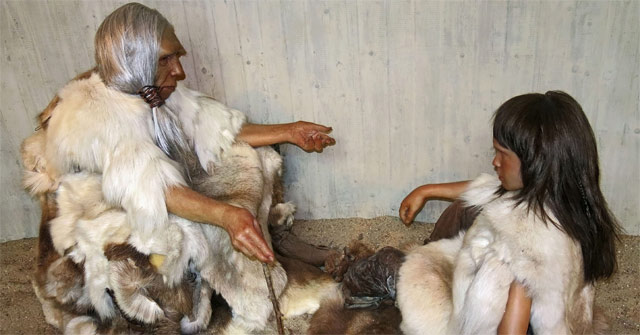
According to archaeologists, they found evidence of the earliest time human ancestors were not 'naked' in archaeological areas such as Gran Dolina in the Atapuerca Mount…
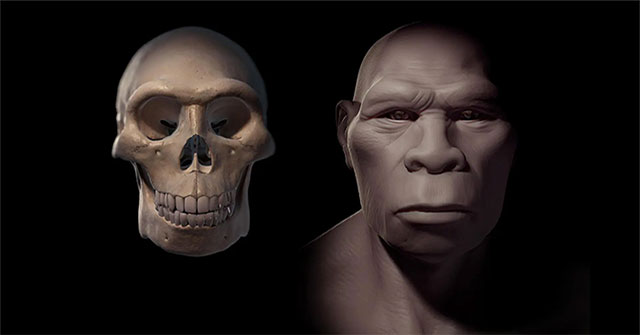
Hidden in a quarry in Israel's Upper Galilee region is a whole
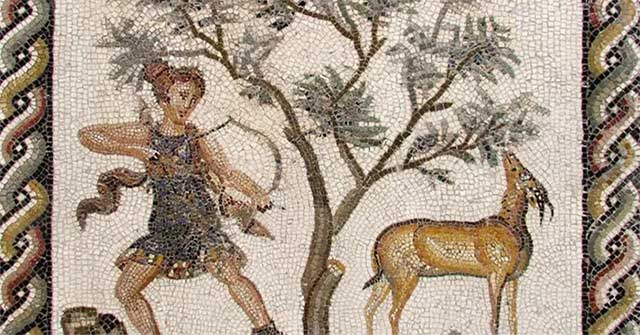
According to some new research, prehistoric women not only regularly participated in hunting, but they also had more favorable physiology for this activity than men.

This is also the first complete sponge fossil this museum has collected since 1958.
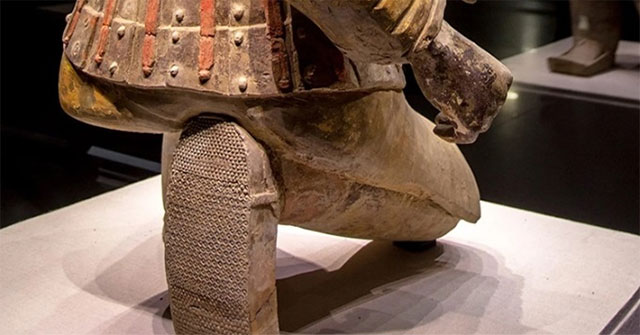
The shoes on the feet of an archer in the terracotta army have many superior features, demonstrating the excellent level of craftsmanship during the Qin Dynasty.
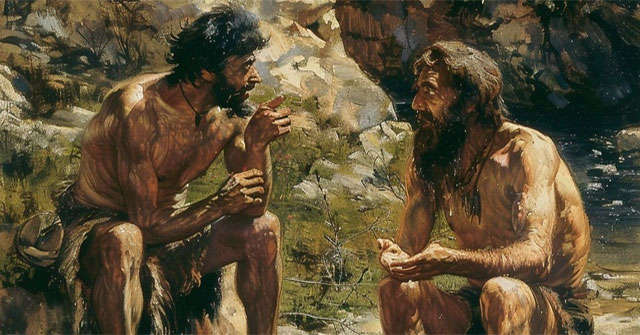
New research has shown when prehistoric people first started talking.
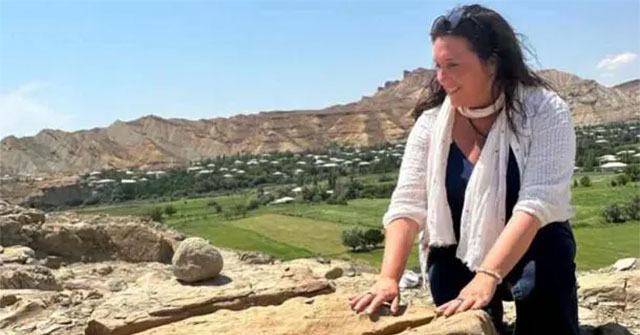
4,000 years ago, a tribe of female warriors that seemed to come out of mythology existed in reality, but in Asia.
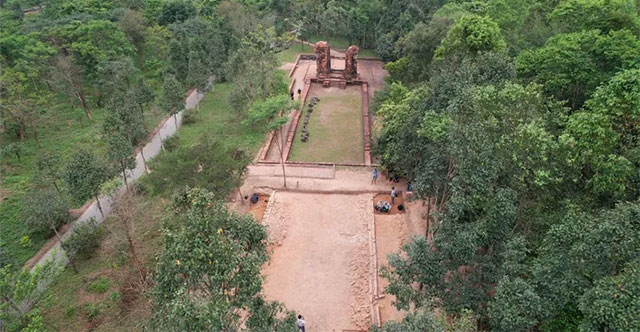
On March 1, 2024, the archaeological exploration and excavation project in the eastern area of Tower K was officially launched by the My Son Cultural Heritage Manageme…
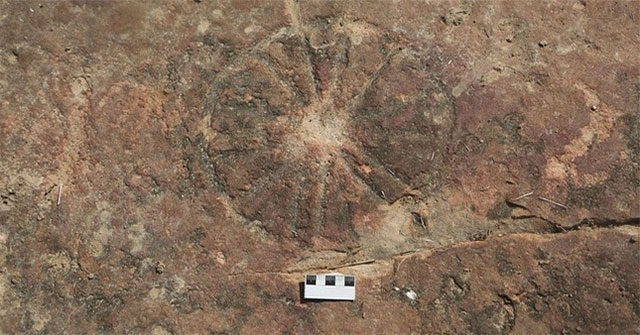
A new study shows that 9,400 years ago, hunter-gatherers in what is now Brazil created dozens of rock art designs next to fossilized dinosaur footprints.
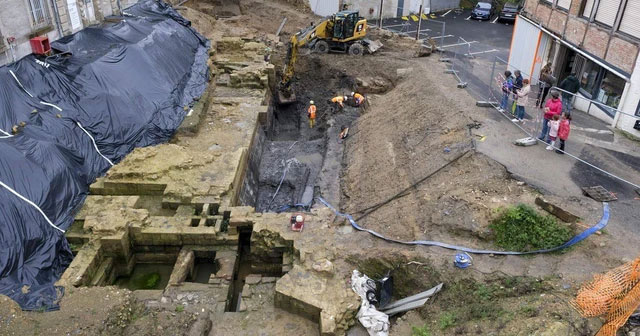
A medieval castle was discovered in a very unexpected way in the city of Vannes in northwestern France.
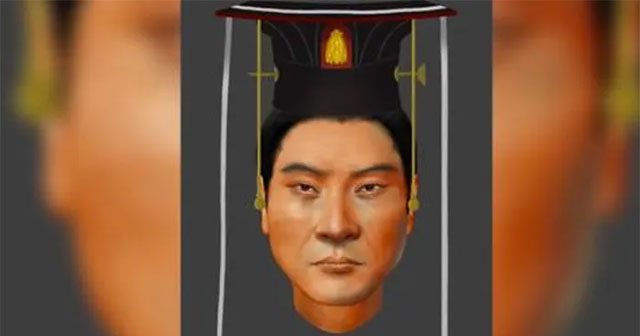
Ancient DNA recovered from the remains of a sixth-century Chinese emperor has helped reconstruct the leader's face.