
Biology
Why are striped mosquitoes increasingly interested in human blood?
A new study shows that their tastes have changed, they are increasingly fond of human blood and this means an increased ability to transmit disease.
Explore biology, plants, fungi, insects and living systems through research, species profiles, natural adaptations and surprising life-science facts.
3,879 published items in this category and its subcategories.
A new study shows that their tastes have changed, they are increasingly fond of human blood and this means an increased ability to transmit disease.
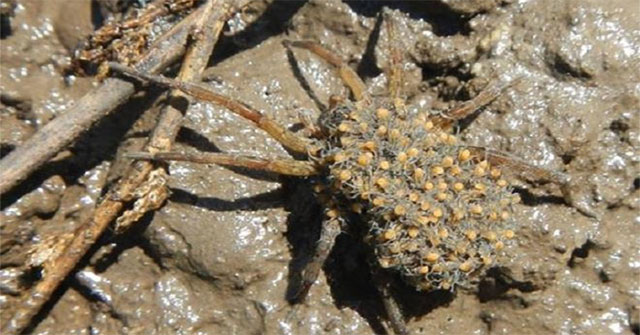
The mother wolf spider on the back of dozens of young hatchlings walked miserably on the ground creating a macabre scene.

Biologists at the Florida Museum of Natural History discovered the rare blue bee in the US for the first time in four years.
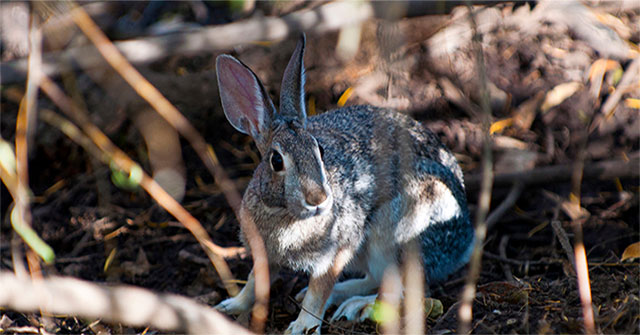
The dangerous virus is now spreading, claiming the lives of thousands of rabbits in the United States. The virus quickly spread to many states, to Mexico and some Centra…
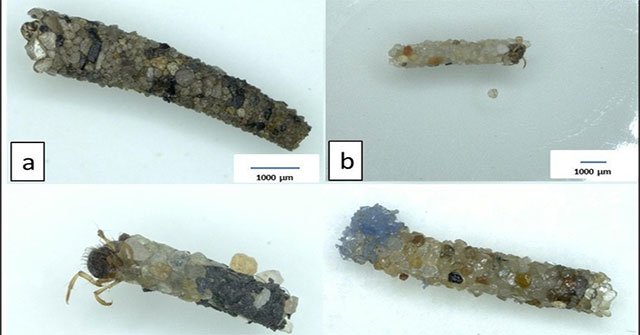
A larvae belonging to the Plumage Wing have adapted to environmental pollution, but this can be traded for their lives.
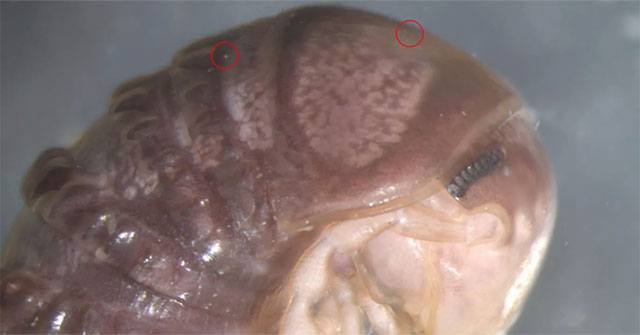
This is the first time a creature has been discovered on Twitter.

Desertification is a dangerous phenomenon which is threatening many countries in the world, so the plan to plant trees in the desert area seems to be an effective method…
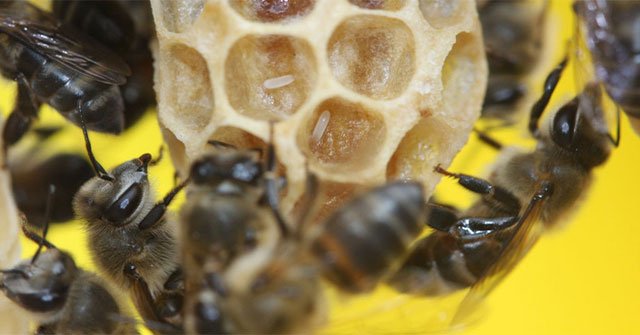
The ability to produce only females gives all South African worker bees the chance to genetically 'regenerate' into a new queen.

The ivy is a special ornamental plant, it can climb trusses, plant fences ... look very nice.
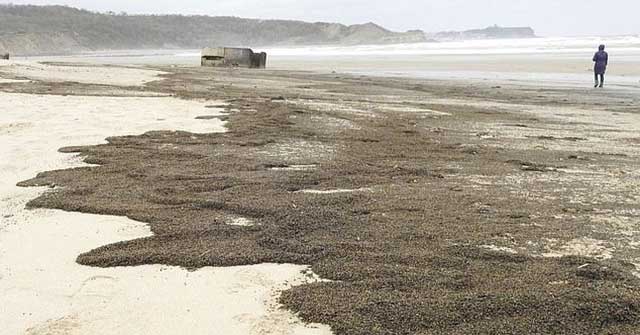
Unusual spectacle rarely happened, so the witnesses shuddered.

The researchers first discovered the Toxoplasma gondii parasite, which is capable of controlling mouse behavior, on the island of Oahu in Hawaii.

Scientists in Australia have achieved a significant breakthrough when using spider venom as an analgesic without causing side effects.
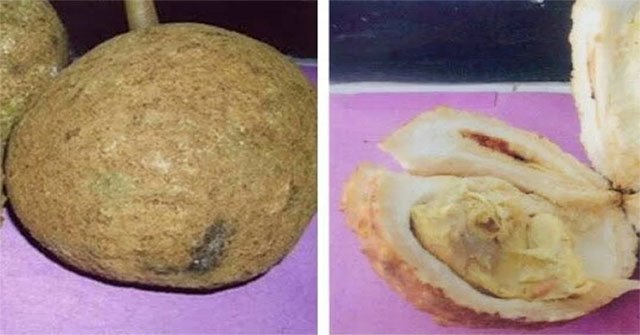
Botanists have been unable to successfully grow extremely rare thorns durian despite grafting efforts over the years.
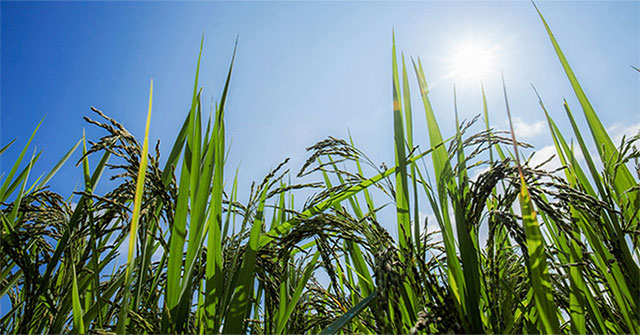
The key D1 protein in photosynthesis of rice is genetically modified in the cytoplasm, helping to increase yield and heat tolerance.
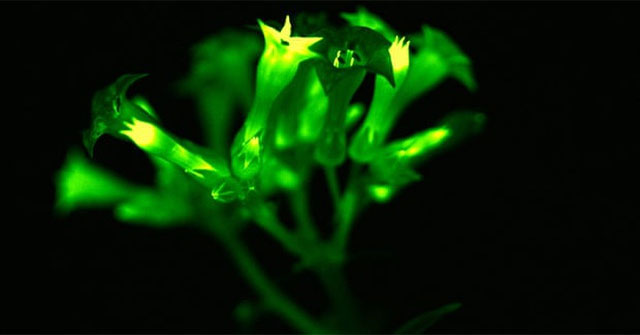
A new technique unravels plant activity and can be used to uniquely decorate homes.