Oceanography
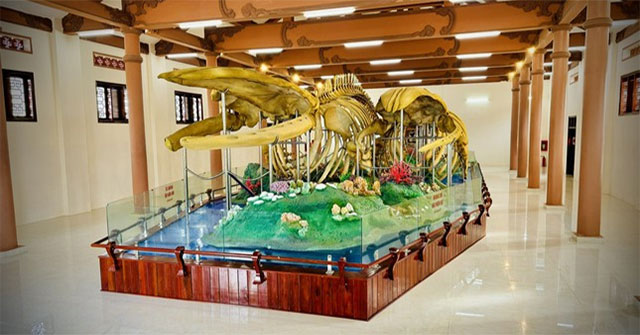
Two whale skeletons in Ly Son set record as largest in Vietnam
The Vietnam Record Organization has just set the largest record in Vietnam for two whale skeletons restored and preserved at Lang Tan Relic (Ly Son island district, Quan…
Discover surprising science, unexplained phenomena, materials, history, nature and fascinating facts that reveal how the world works.
40,619 published items in this category and its subcategories.
The Vietnam Record Organization has just set the largest record in Vietnam for two whale skeletons restored and preserved at Lang Tan Relic (Ly Son island district, Quan…
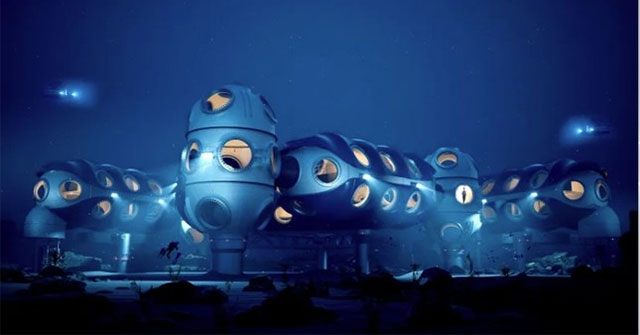
UK-based DEEP is developing the Sentinel system, which it says is a modular, reconfigurable underwater habitat that would allow humans to live at depths of 200m for 28 d…
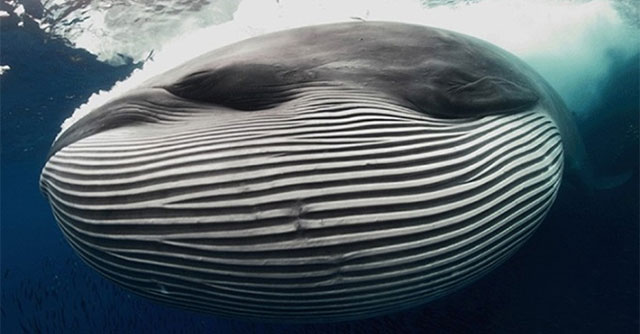
New research reveals the exact origin of a mysterious biotwang in the Pacific Ocean, first detected near the Mariana Trench.
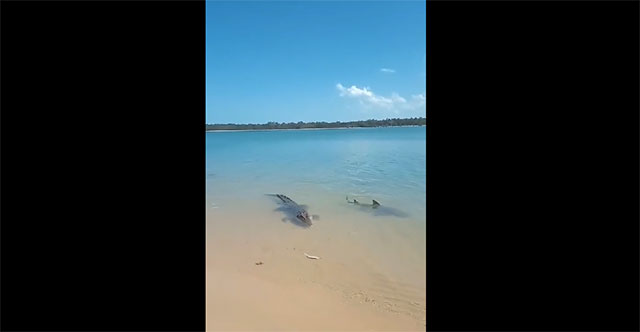
Sharks and crocodiles share common habitats and prey, so they can interact when foraging.
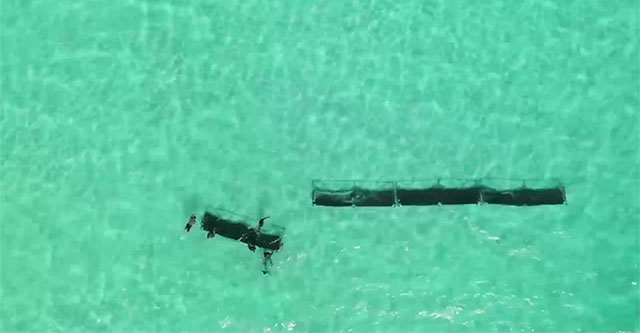
MIT and Invena are testing submerged structures to collect sand, protect the islands of the Maldives, and even create new islands.
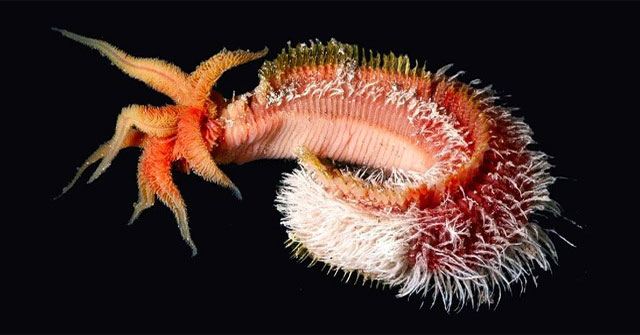
How did Pompeii worms withstand the high temperatures of volcanoes? Scientists have conducted studies to try to unravel this mystery.
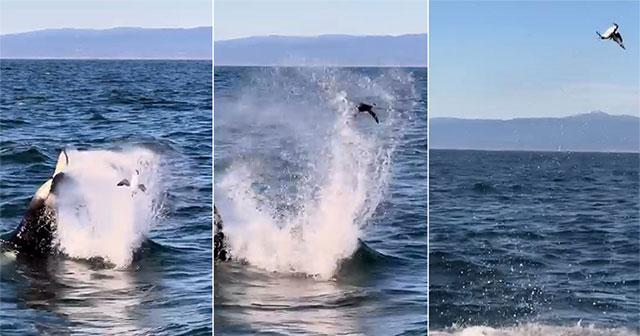
While teaching her calves how to hunt, Bigg's killer whale tosses murres off the water's surface.
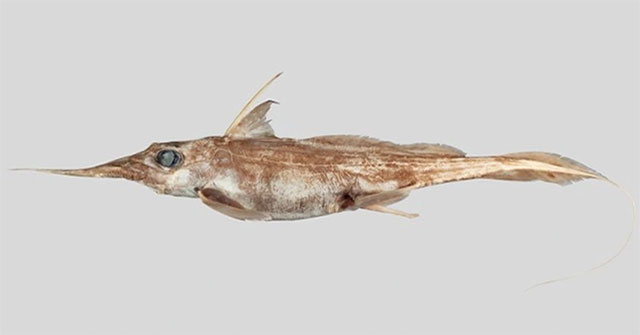
The ghost shark's habitat is deep under the sea, making it difficult to study and monitor them.
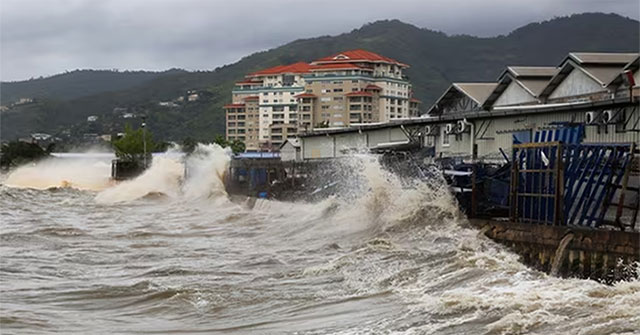
UN Secretary-General Antonio Guterres warns rising sea levels are creating
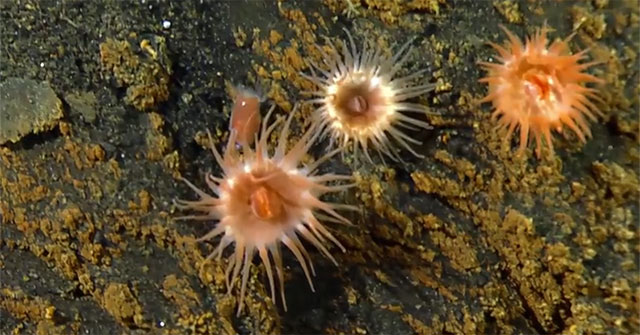
At a depth of nearly 700m under the sea, a remotely operated vehicle recorded the scene of a sea anemone hunting for prey at lightning speed using its tentacles.
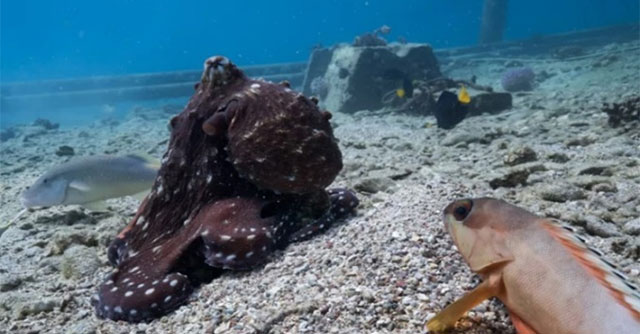
Octopuses, which are traditionally solitary, have been found by researchers to exhibit complex cooperative hunting behaviors with fish, demonstrating leadership and coll…
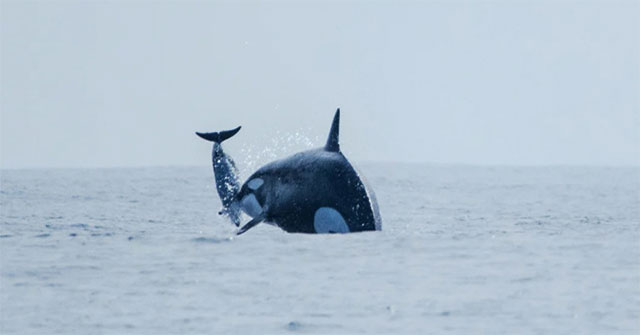
Scientists have filmed killer whales attacking smaller dolphins, taking down their prey and sharing meals with their mates.
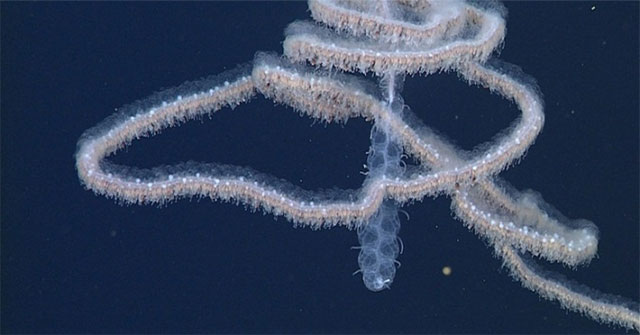
Siphonophores are unusual animals consisting of many individual organs called zooids, each zooid having a distinct function despite being genetically identical.
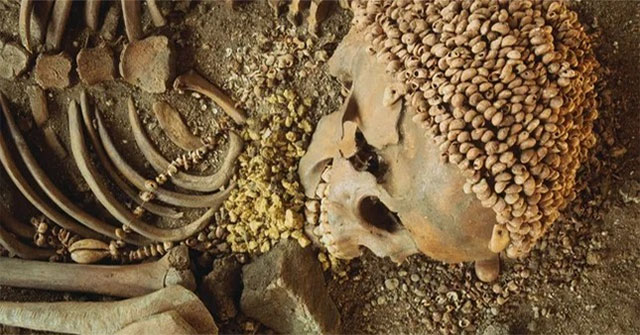
According to archaeologists, most Ice Age teenagers began puberty at the same time as modern humans.
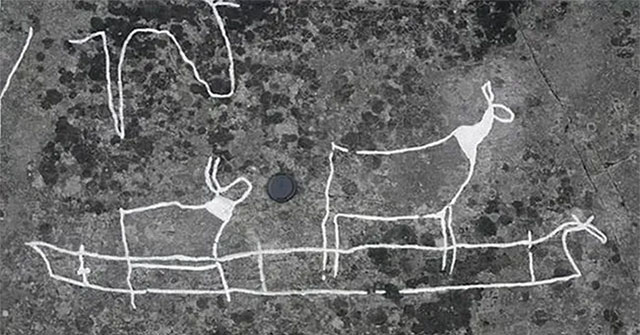
Ancient Scandinavians may have used boats made from animal skins for fishing, hunting and transporting trade goods, a new study suggests.