Space science
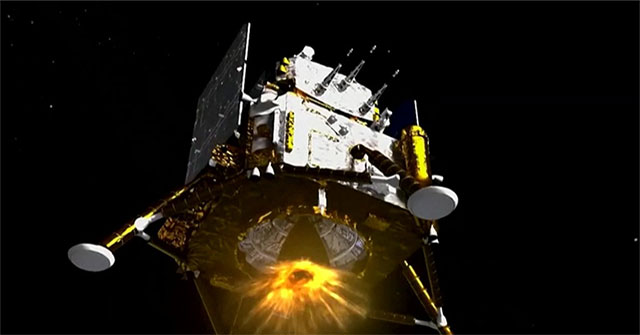
China's Chang'e-6 spacecraft enters lunar orbit
On May 8, the China National Space Agency (CNSA) announced that the country's Chang'e-6 (Chang'e-6) spacecraft had entered a circular orbit around the Moon.
Discover surprising science, unexplained phenomena, materials, history, nature and fascinating facts that reveal how the world works.
40,619 published items in this category and its subcategories.
On May 8, the China National Space Agency (CNSA) announced that the country's Chang'e-6 (Chang'e-6) spacecraft had entered a circular orbit around the Moon.
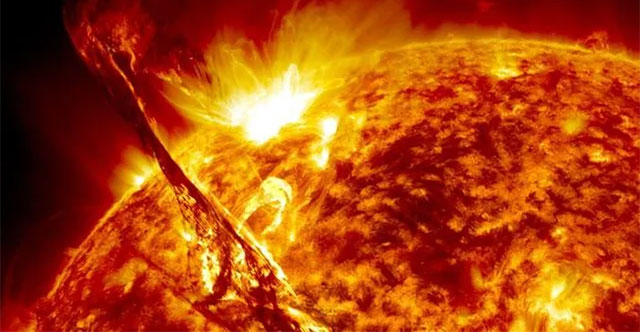

NASA scouts the universe with a device with a 36-pixel sensor, a truly unbelievable number in an era when normal smartphones can take photos containing tens of millions…
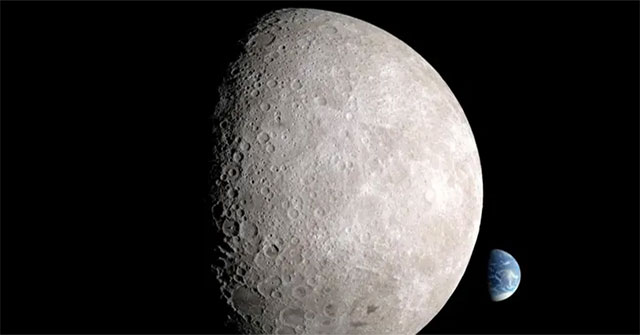
One of the most fundamental questions that space scientists are still trying to answer is: How was the moon formed?
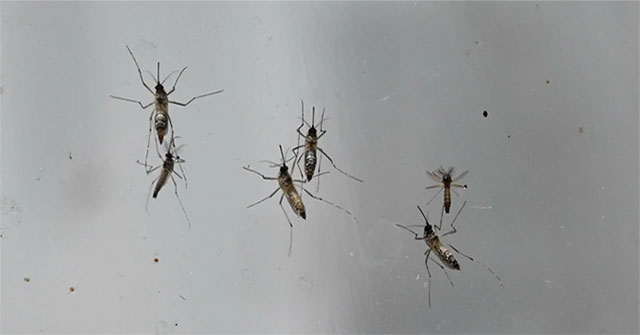
This mosquito species with the scientific name Anopheles Coluzzii contains a highly virulent virus, can live in extremely arid conditions and thrive in both rural and ur…

Vietnamese scientists recently sequenced genes to distinguish between Lai Chau and Ngoc Linh ginseng to avoid confusion and counterfeiting.
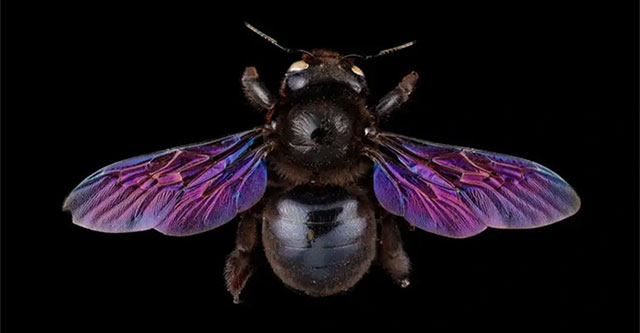
Through photos, we see the beauty of bees and their importance to the ecosystem.
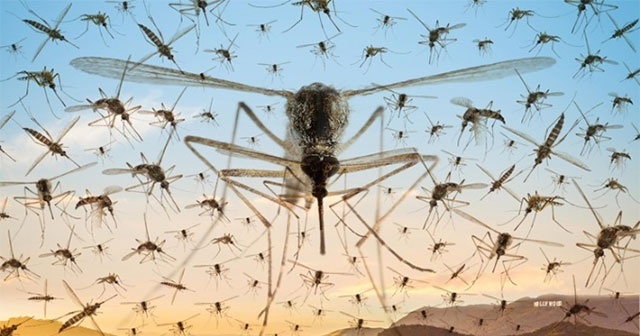
Los Angeles authorities are using radiation to sterilize male mosquitoes to kill the mosquito population that spreads infectious diseases.

A new study shows that keeping CO₂ levels low helps reduce the infectious viral load in the air.
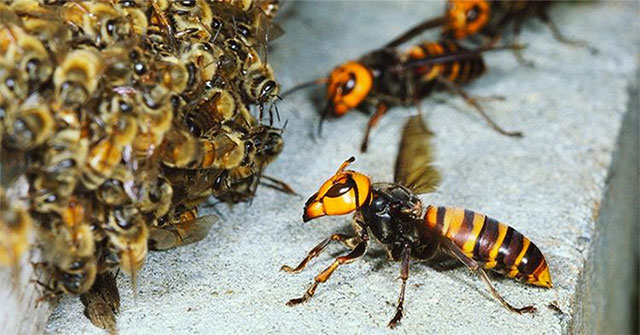
Hornets are bees originating from Asia, possessing amazing strength and aggression.
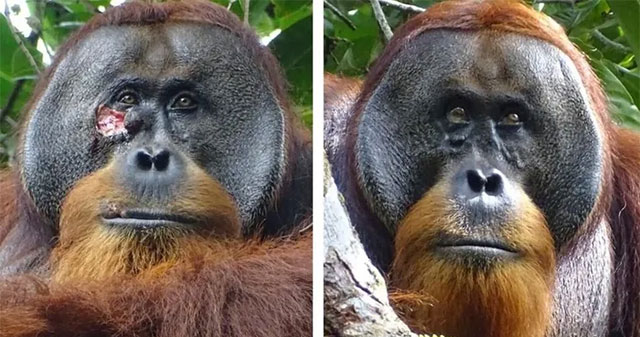
Scientists observed an orangutan applying the herb to a wound on its face and seemingly healing it.
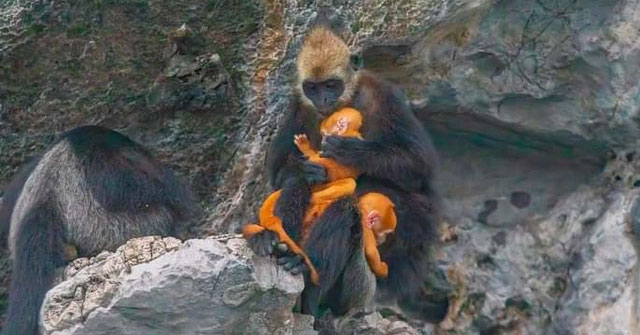
On May 6, images of two adult langurs appeared on social networks
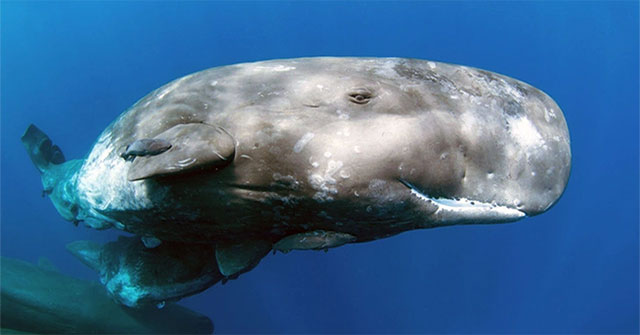
Which species has the largest brain in the animal world? And is a big brain linked to a high IQ?
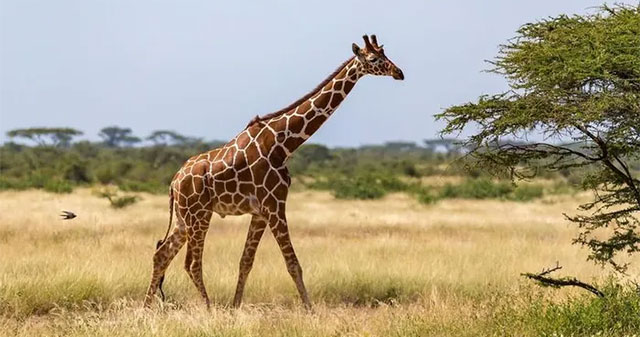
Why are whales so huge? Why do turtles have such long shells or necks of giraffes?