Animal world
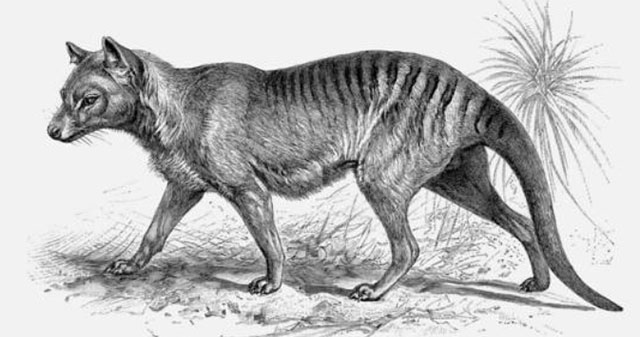
Scientists hope to revive the extinct Tasmanian tiger
A project to regenerate the Tasmanian tiger from ancient and new genes is underway in Melbourne, Australia.
Discover surprising science, unexplained phenomena, materials, history, nature and fascinating facts that reveal how the world works.
40,619 published items in this category and its subcategories.
A project to regenerate the Tasmanian tiger from ancient and new genes is underway in Melbourne, Australia.

From ancient scrolls to paintings from the golden age of Dutch painting, technology is uncovering new clues about works of art.

NASA will equip an iPad on the Artemis 1 flight to test the voice assistant system, assisting astronauts on the mission back to the Moon.

In a demonstration by security researcher Lennert Wouters, this cheap circuit board can disrupt Starlink's operation or even disable part of its system.
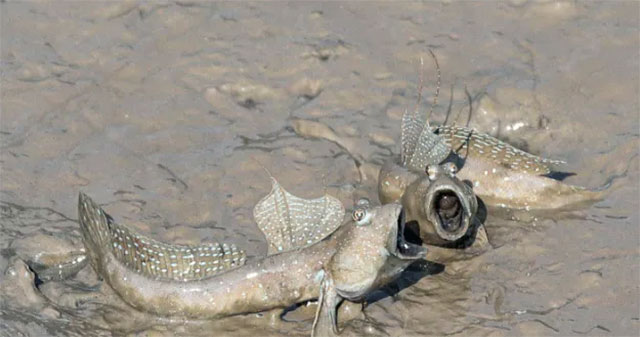
Today we can have terrestrial, marine and amphibians. Of course, there are many species that are thinking of being able to move from the ocean to the land.

Red crayfish with a reproductive rate of 1,000 eggs / time were recently discovered in Texas, causing concern to experts.
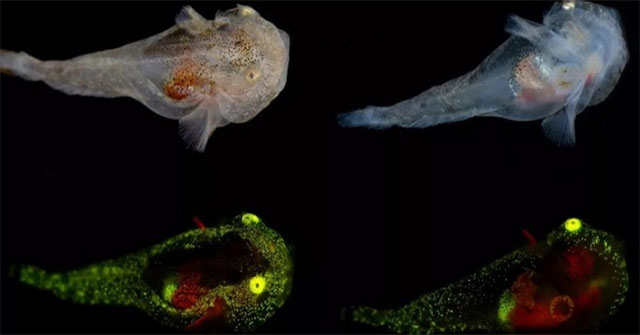
Scientists drilled deep beneath an iceberg off the coast of Greenland and discovered fish with a green luminescent antifreeze flowing through its blood vessels.
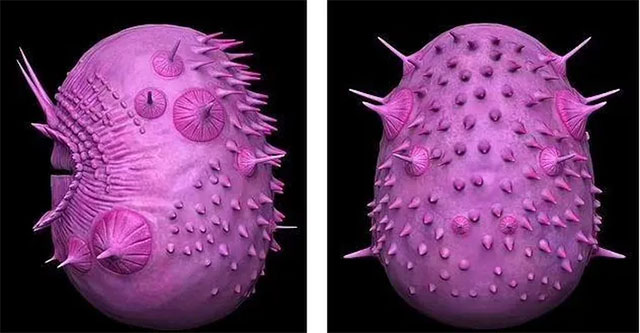
A 2017 study concluded that an angry Minion-like microscopic creature without an anus was the earliest human ancestor.
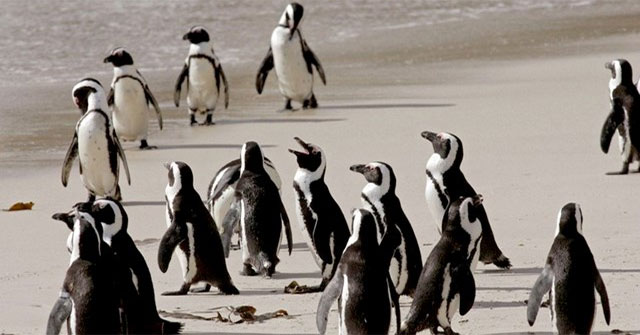
The number of African penguins on St Croix Island in the Gulf of Algoa has plummeted since South Africa began allowing ships in the area to refuel at sea.

The legend of a magical land called Shangri-La has long fascinated explorers, but no one has ever set foot there. Is this the gateway to the real 'paradise'?

The Artemis 1 lunar mission - the US project 'paving the way' for the return of humans to the Moon in 2024 - is about to take off later this month.
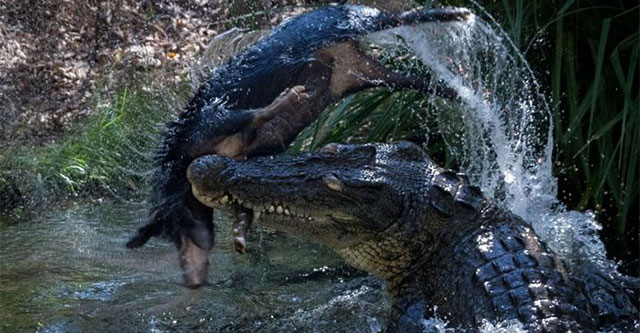
Invasive animals can cause damage to local ecosystems. But sometimes they can be an essential food source for predators on the verge of extinction.
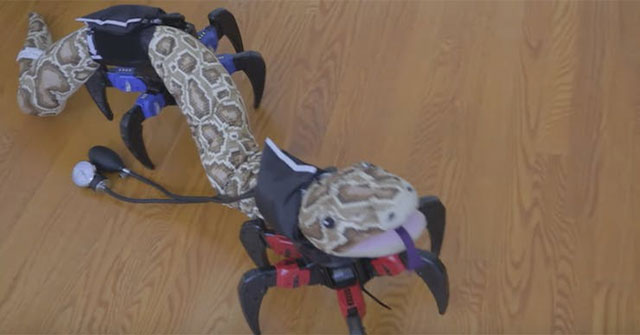
Allen Pan tried to reverse evolutionary history by helping snakes 'grow' four more legs to move.
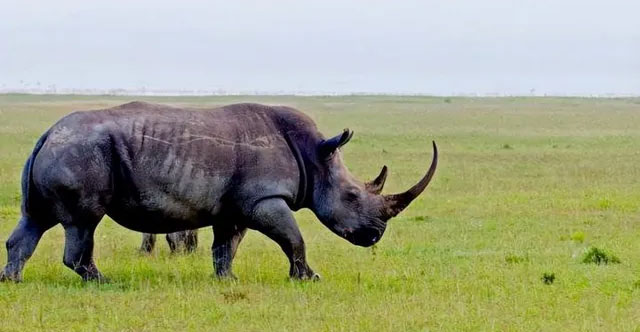
When it comes to rhinos, we all immediately think of the African savanna. In our impression, the wild rhinoceros is an animal that only exists in the savannah of Africa.…
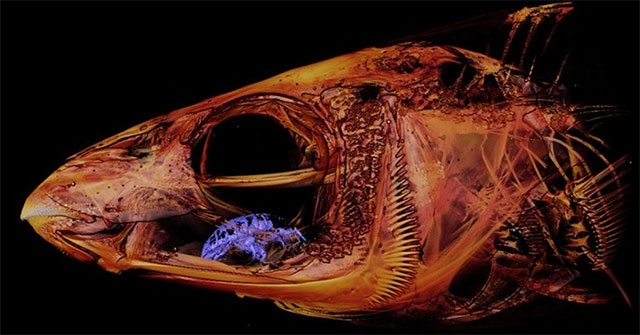
When scientists X-rayed the head of an elmfish, they discovered a parasitic crustacean that had eaten the amputated and replaced the host's tongue.