
Discover science
New discovery of the threat from 'plastitar'
Researchers from the University of La Laguna in Spain have discovered a new form of pollution, with a combination of microplastics and tar deposited on coastal rocks.
Discover surprising science, unexplained phenomena, materials, history, nature and fascinating facts that reveal how the world works.
40,619 published items in this category and its subcategories.
Researchers from the University of La Laguna in Spain have discovered a new form of pollution, with a combination of microplastics and tar deposited on coastal rocks.
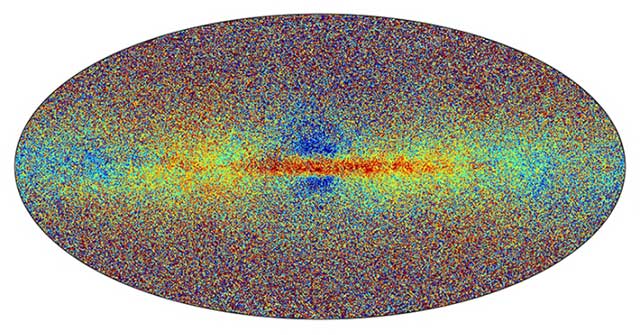
The European Space Agency has released a dataset collected by the Gaia Space Observatory, showing many characteristics of large numbers of stars.

The director of the Russian Space Agency thinks that there may be extraterrestrial life forms studying human civilization.
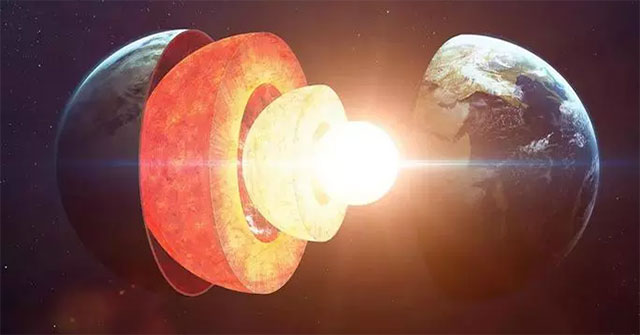
Scientists have found shocking evidence that the Earth's layers do not form a tightly bound sphere.

Humans would die of asphyxiation if they breathed on Mars without a spacesuit, but that could change in the future thanks to NASA's oxygen-making device.
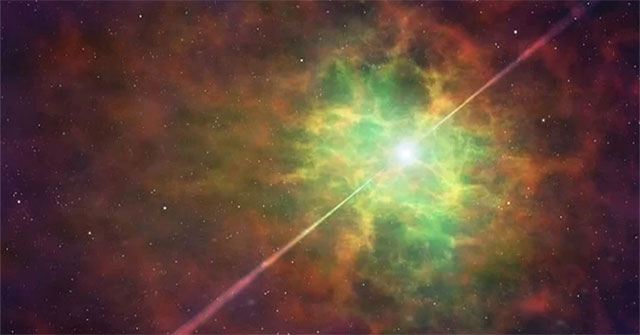
A new member of a rare class of stars, known only in very limited numbers, has been discovered in the Milky Way.
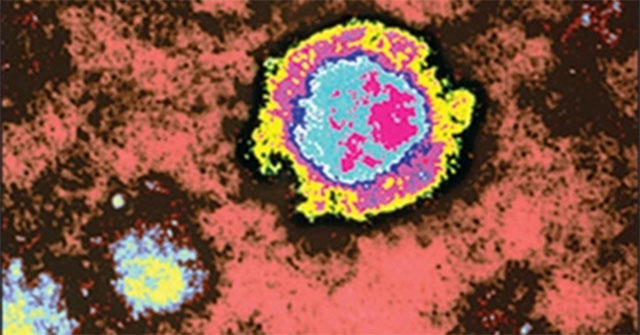
The Borna virus is generally thought to very rarely infect humans. The number of cases recorded so far is less than 100, but most of them have died.

Over the centuries, the art world has seen the birth of many iconic sculptors.

Recently, the Colombian military released never-before-seen images of the legendary San José wreck that sank more than 3 centuries ago,

Elon Musk announced his upcoming goal is to build 1,000 Starship spacecraft and send 1 million people to Mars by 2050.
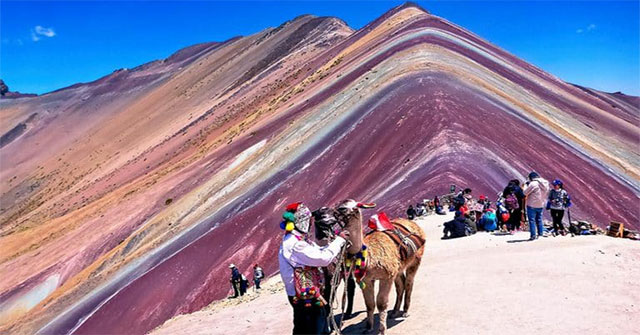
In addition to being famous for Machu Picchu or the Inca empire, the country of Peru also has a natural wonder that moves people.

The United Arab Emirates may have just celebrated its 50th anniversary of independence, but Abu Dhabi has a centuries-old past.

Did you know Oxford University is more than 200 years older than the mysterious ancient Aztec civilization?

Like many ancient civilizations, the Incas performed human sacrifices. The children chosen as scapegoats had a special diet.
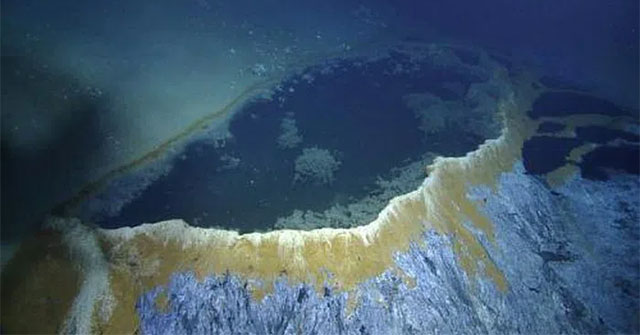
56 million years ago, a global warming caused the oceans to acidify and many marine life to be wiped out.