Space science
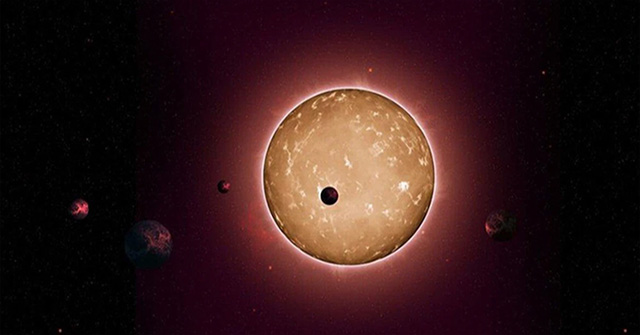
NASA discovers more than 300 new planets thanks to Machine learning technology
With an operating system based on Machine learning technology, 301 new planets have been discovered by NASA.
Discover surprising science, unexplained phenomena, materials, history, nature and fascinating facts that reveal how the world works.
40,619 published items in this category and its subcategories.
With an operating system based on Machine learning technology, 301 new planets have been discovered by NASA.
Astronomers find an exoplanet like
An international study has warned of a very real risk of
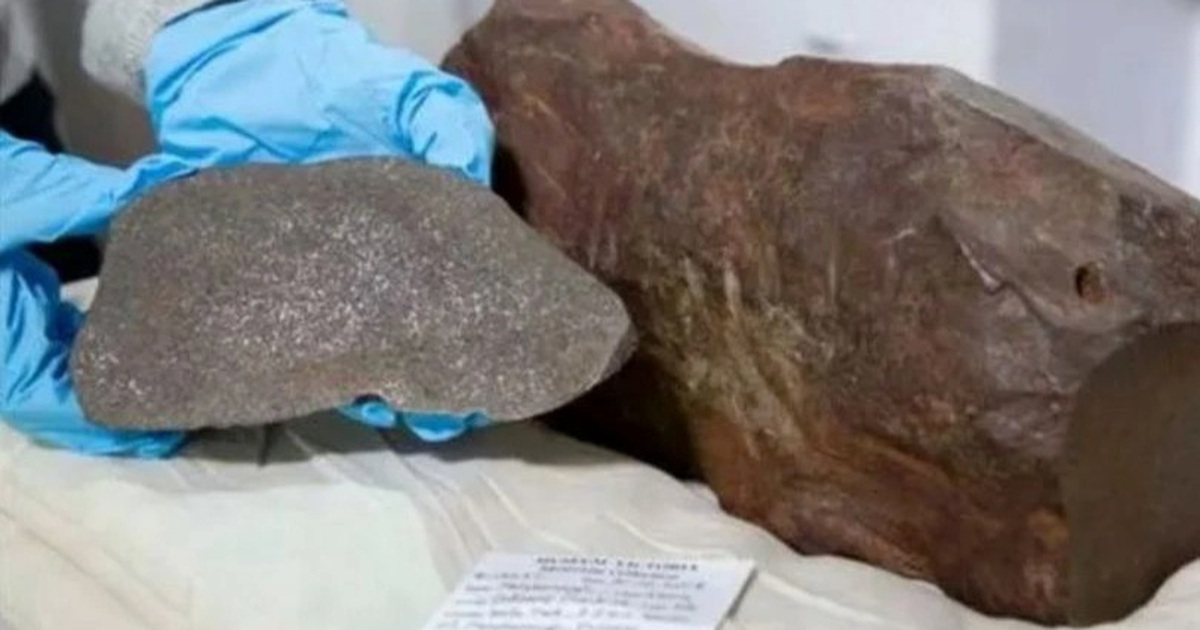
The man kept an old block thinking it was gold, but the actual results surprised him. It is a rare 4.6 billion year old meteorite.

From a crazy idea, but the successful test in October changed all that, turning SpinLaunch into a game-changing company sending humanity into space.

With the poison in his body and the ability to inflate himself into a ball of spikes, the puffer fish can scare off many of its enemies.

Because of the need for granite to build the bridge, people decided to use mines to blow up a mountain area in Gaoyu town, Anji district, Zhejiang province, China, even…
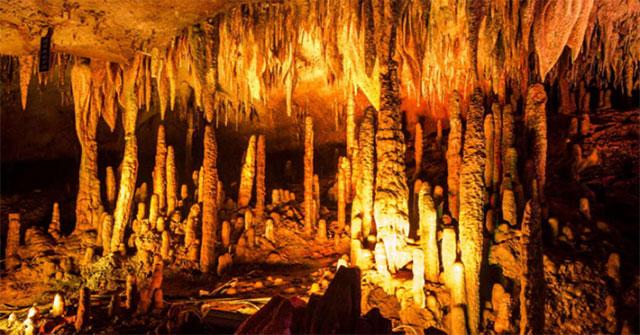
The city of Luong Chu with a complex water canal system that existed more than 5,000 years ago may perish due to climate change.
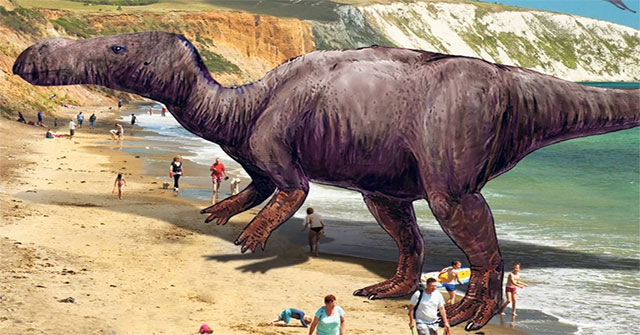
Scientists have discovered a new species of dinosaur after its bones were unearthed, a new study reports.
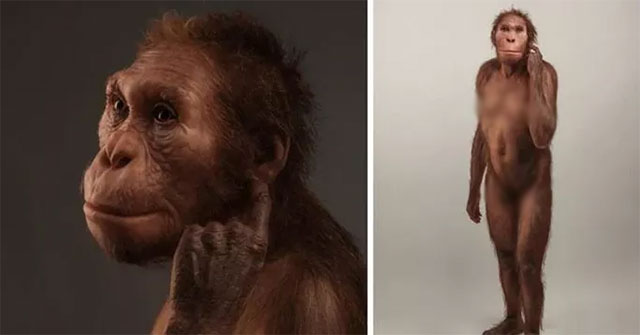
The evolutionary breakthrough that sets humans apart from other apes has been found in the body of Issa, a 2 million-year-old woman.
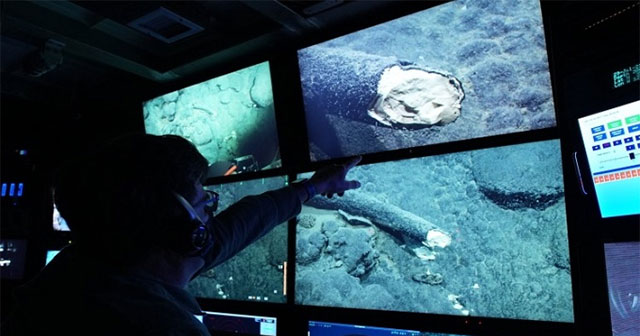
Researchers discovered a tusk from a mammoth carcass that drifted and fell more than 3,000 meters below the Pacific Ocean.
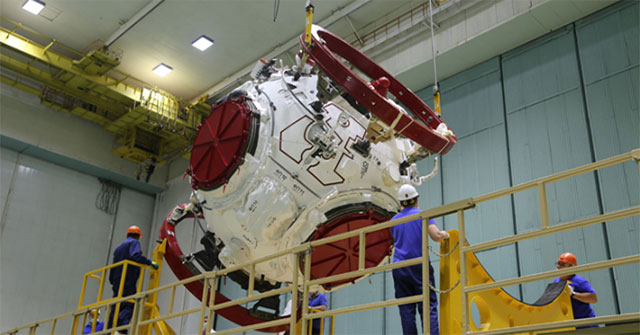
Russia's Soyuz rocket on November 24 took off from southern Kazakhstan, carrying the Prichal spacecraft docking module to the ISS.
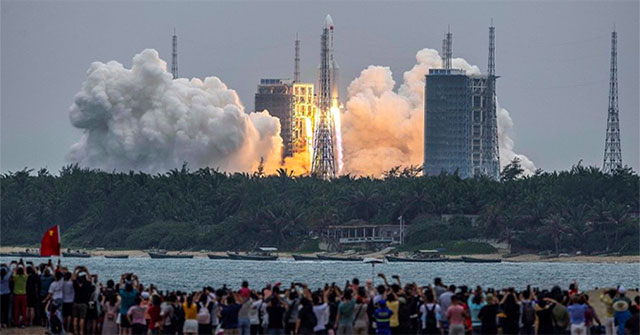
China is developing a powerful nuclear reactor for its mission to explore the Moon and Mars, researchers involved in the project say.

The world's largest digital camera LSST in Chile will help scientists study galaxies, asteroids and mysterious cosmic phenomena.
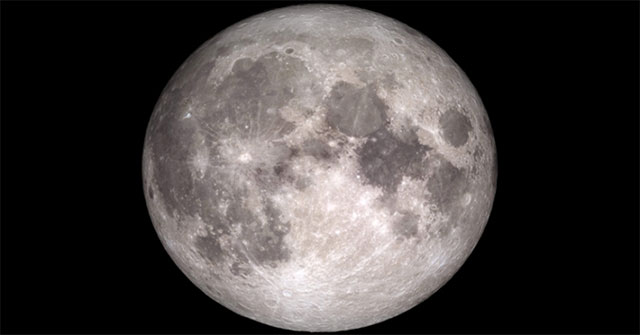
Mini black holes formed in the early universe may have crashed into the Moon so hard that it mutated the surrounding matter.