Archeology
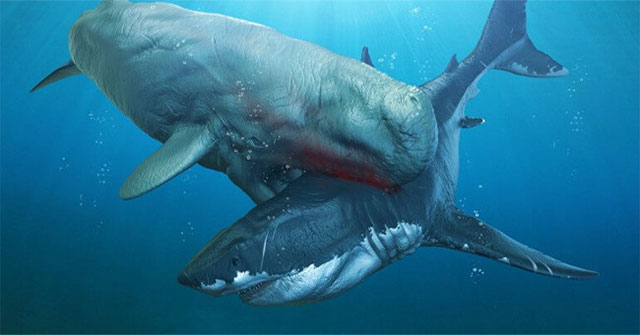
Melvillei Ancient Whale - A nightmare of super shark Megalodon
Is there anything in nature that can make Megalodon fear when confronted? The ancient super whale Melvillei is the answer.
Discover surprising science, unexplained phenomena, materials, history, nature and fascinating facts that reveal how the world works.
40,619 published items in this category and its subcategories.
Is there anything in nature that can make Megalodon fear when confronted? The ancient super whale Melvillei is the answer.
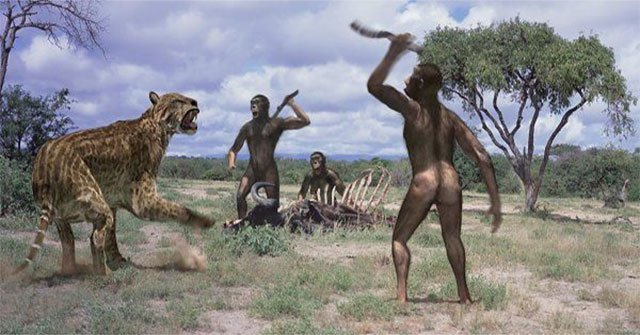
Not only has human activity today caused the extinction of animals, recently scientists have shown that our ancestors of prehistoric times also caused the extinction of…
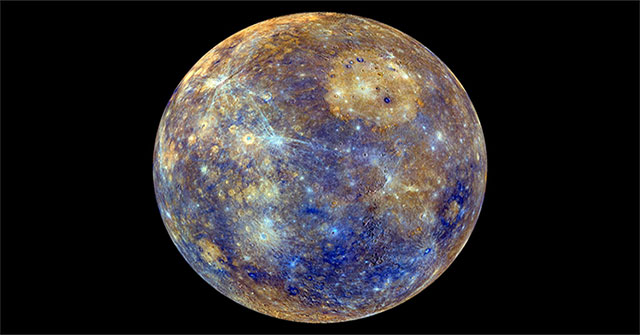
A new study measuring the average distance between planets found that the closest planet to Earth is not two neighbors of Venus or Mars.
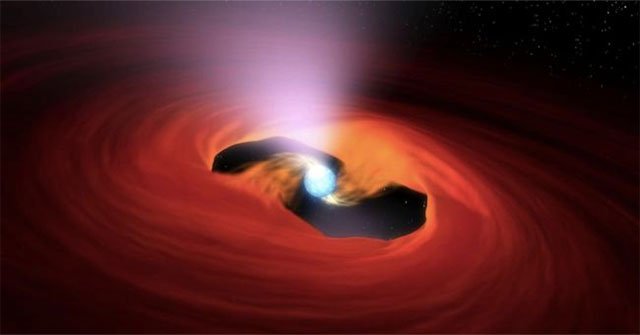
The double quasar, the dwarf planet Haumea or the Tabby star all have mysteries that astronomers have not yet answered.

In the near future, astronauts can fully grow their own vegetables in space to replace food from the Earth.
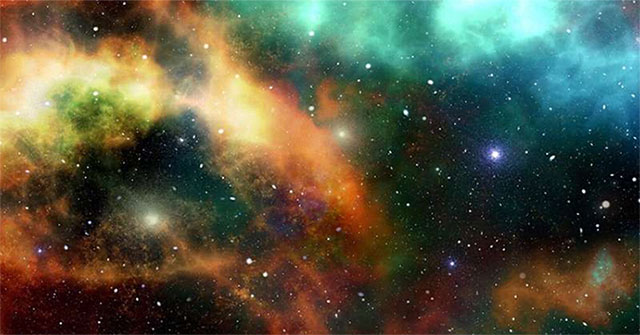
Photo taken from the world's largest optical telescope reveals the remains of a dead star in SDSS J115219.99 + 024814.4.
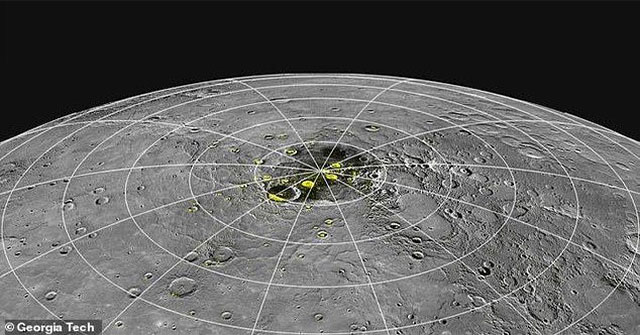
A team of scientists from Georgia Tech gave a new explanation for how ice formed on Mercury even though the scorching surface temperature could reach 400 degrees Celsius.
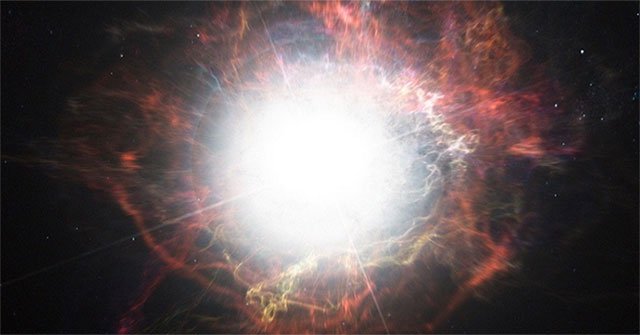
From Earth, we can observe the supernova explosion of the red giant Betelgeuse when it dies at the end of its life.
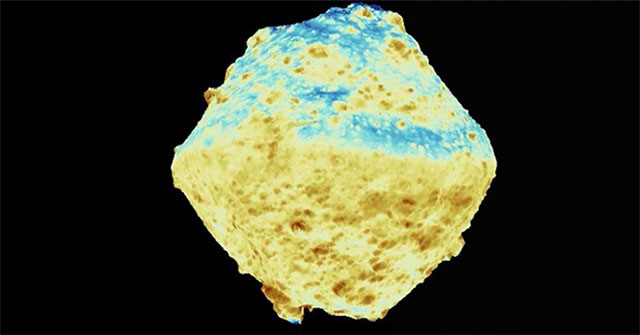
Data from Japan's Hayabusa2 spacecraft shows that the asteroid Ryugu is as highly porous as it is
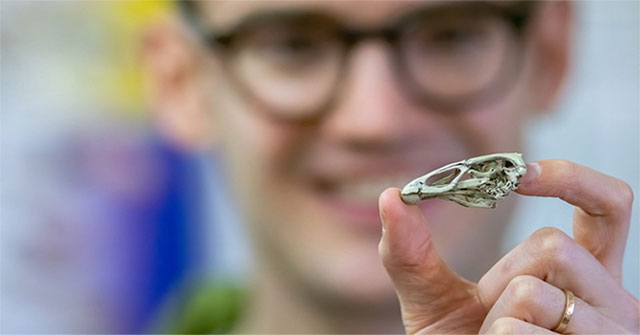
Experts found a 66.7-66.8 million year-old skull of modern birds in a quarry in Belgium, near the border with the Netherlands.
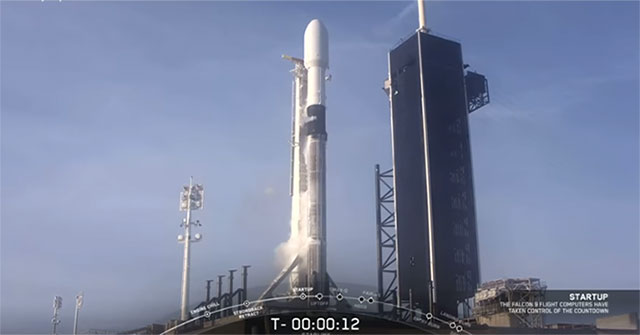
An additional 60 Starlink satellites are put into low-Earth orbit to realize the ambition of building a global Internet coverage network.

The robot called NASA's RASSOR is designed to dig under the surface of 'Sister Hang' in the near future.
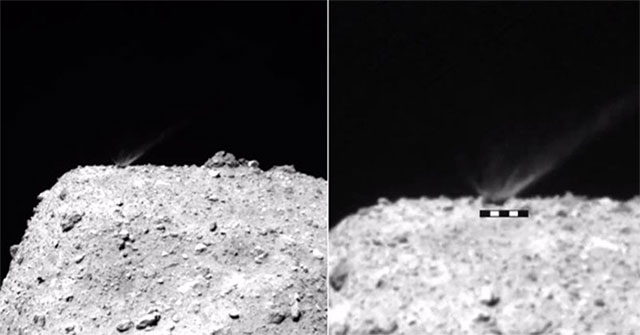
The Hayabusa 2 spacecraft explodes the surface of Ryugu, creating a sinkhole to help scientists understand the asteroid's composition.
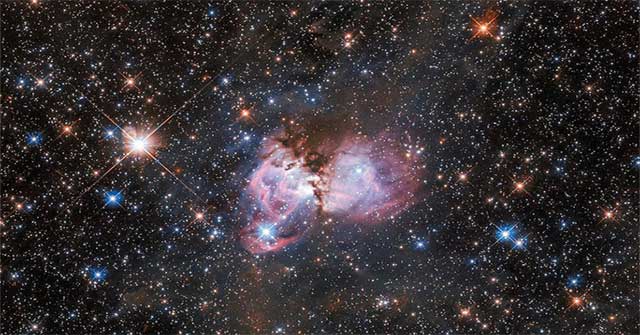
NASA's Hubble Space Telescope has captured a bright pink cloud of gas and dust, where a series of stars much larger than the sun are born.
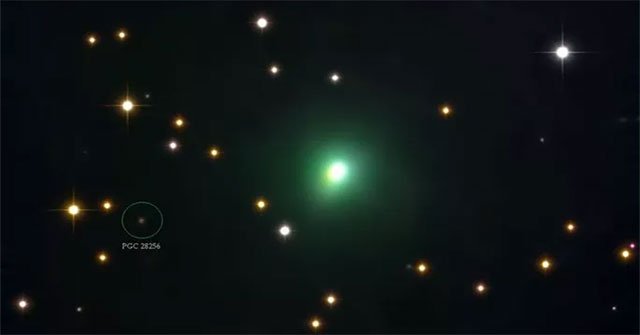
Humans will have the opportunity to admire a strange object that shines just like the moon in the sky at the end of May this year.