
Discover science
Will humans be able to regrow limbs like the 'Tiger beetle'?
For the first time, scientists have deciphered the entire gene of axolotl, a salamander capable of regenerating many body parts after an injury.
Discover surprising science, unexplained phenomena, materials, history, nature and fascinating facts that reveal how the world works.
40,619 published items in this category and its subcategories.
For the first time, scientists have deciphered the entire gene of axolotl, a salamander capable of regenerating many body parts after an injury.
The difficult problem that has puzzled science for years has been solved, creating a breakthrough in optoelectronics.

With cold and barbaric execution, these cruel executioners have terrified and righted many prisoners
Researchers from the University of California, Riverside have developed a new technique that will use NASA's James Webb Space Telescope (JWST), scheduled to launch in 20…
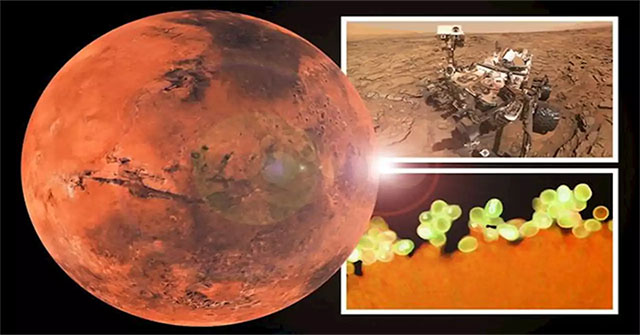
Curiosity rover, NASA's self-propelled Mars exploration robot has discovered a form of organic matter similar to that found in fungi and ancient microorganisms on Earth.
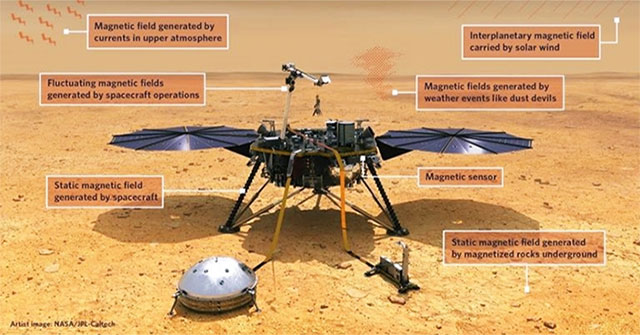
The Insight probe discovered that the Elysium Planitia plain north of the Martian equator has a magnetic field 10 times stronger than NASA's expected.
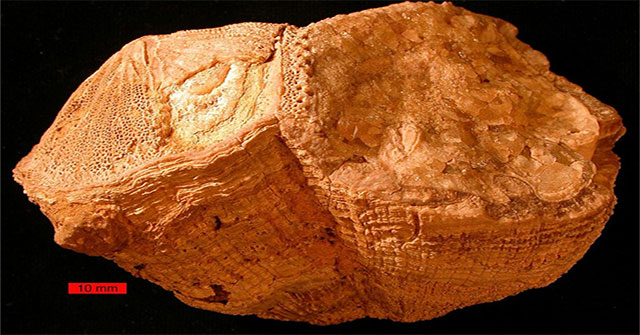
A specimen from the dinosaur era stunned scientists when it showed that one day at the end of the Cretaceous was only 23 and a half hours long, because the earth was spi…
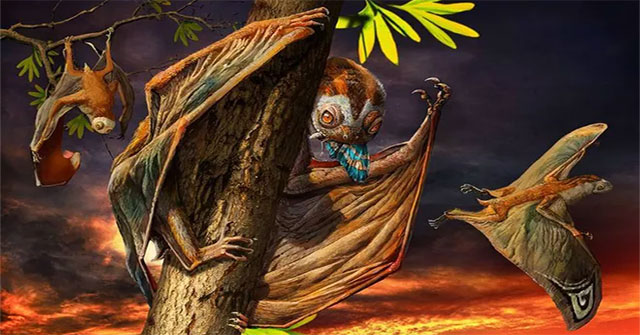
With its flat mouth, big eyes and hanging upside down in a tree, Vesperopterylus is indeed the strangest ancient flying pterosaur ever existed on Earth.
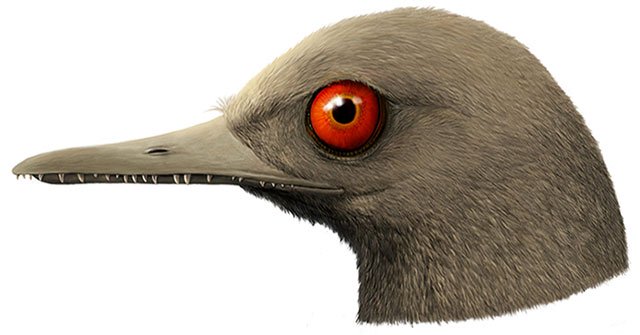
The 99 million-year-old amber skull fossils revealed an unknown bird-like dinosaur, only 5 cm long.

A mysterious black carpet, a sign of a large-scale fire disaster, found at an ice age site, Younger Dryas, has revealed a terrifying event from space.
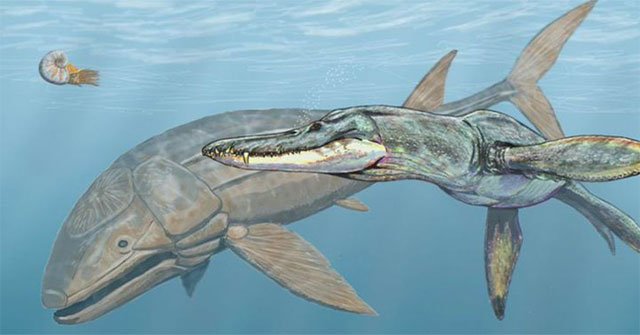
Leedsichthys is a giant fish of the Pachycormidae family, a group of Mesozoic bony fish that lived in the mid-Jurassic oceans.
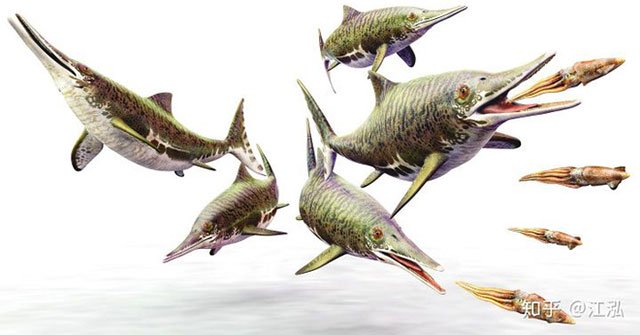
Fat is something that always exists on an animal's body, but in fact they are very biodegradable and cannot exist in the form of fossils like bones.
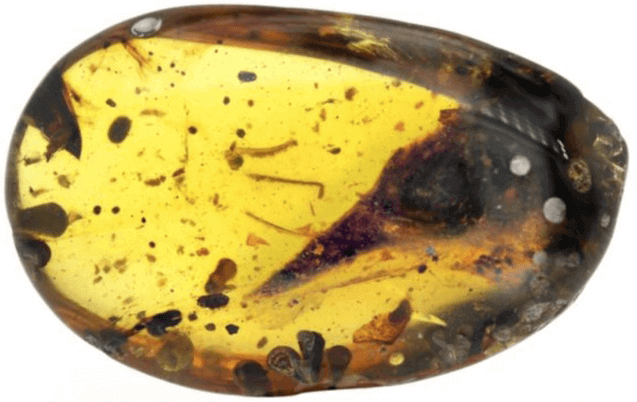
This hummingbird-sized dinosaur was discovered in Myanmar. The scientists named the new dinosaur, Oculudentavis khaungraae.
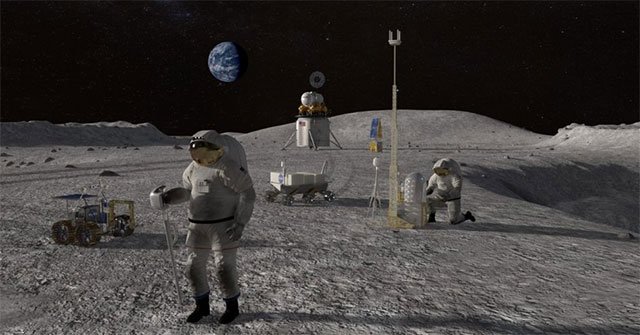
For the first time in four years, NASA organized a new round of astronauts missions, aimed at bringing Americans back to the Moon by 2024.
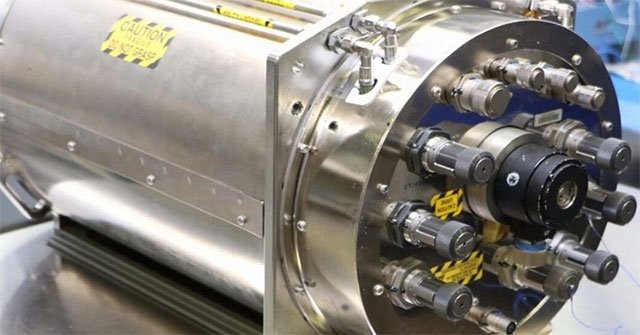
In outer space, creating water is a huge technical challenge.