
Space science
Why do astronauts rarely dream in space?
The crew members of the ISS International Space Station work so much and so tired that they almost never dream of sleeping.
Discover surprising science, unexplained phenomena, materials, history, nature and fascinating facts that reveal how the world works.
40,619 published items in this category and its subcategories.
The crew members of the ISS International Space Station work so much and so tired that they almost never dream of sleeping.
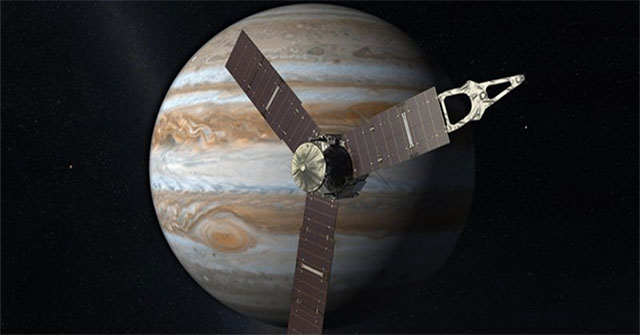
Juno spacecraft burns the engine for 10.5 hours to accelerate, beyond the sphere of eclipse effect.
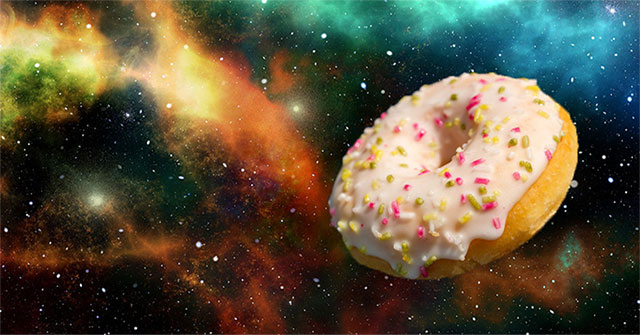
The team of Russian scientists is developing a donut-shaped spacecraft that can reach the farthest corner of the solar system in record time.

Throughout 4.5 billion years of history, the planet's Arctic and Antarctic periods have changed places ... 26 times in every million years. More surprisingly, it is the…
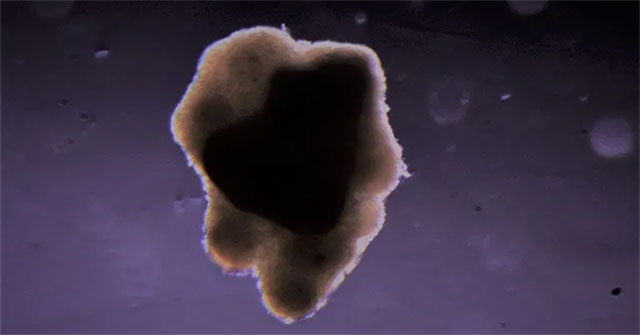
An Israeli start-up has successfully developed a cow-to-meat cell on an international space station, which has harsh conditions that cannot be raised as on Earth.
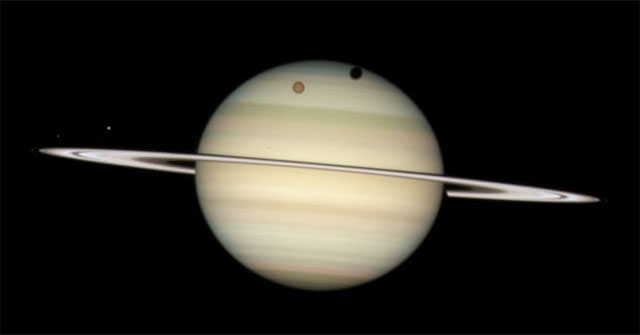
The number of asteroids orbiting Saturn is 82, surpassing 79
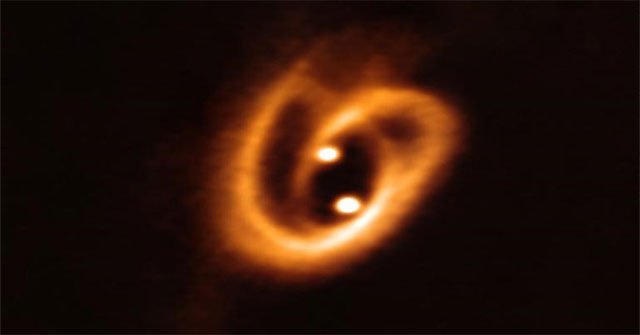
The observed pair of stars is being formed by the accretion of energy from surrounding massive disks of matter.

Based on satellite data, NASA officially launched a 3D map that simulates almost the entire lunar surface using CGI technology.
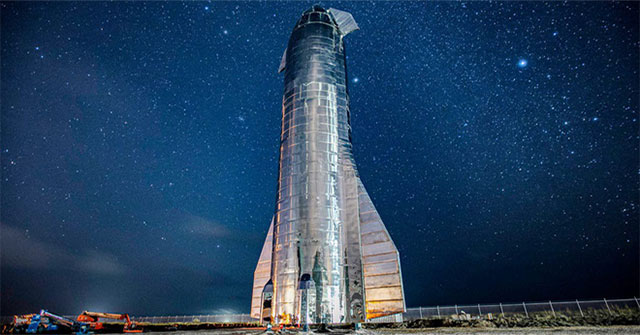
On Twitter, the NASA director gave a gentle reminder to SpaceX.
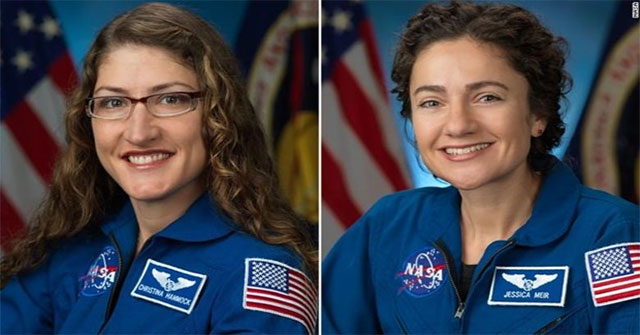
The US space agency (NASA) has prepared a new space walk with a crew of all female astronauts after the previous plan was canceled.
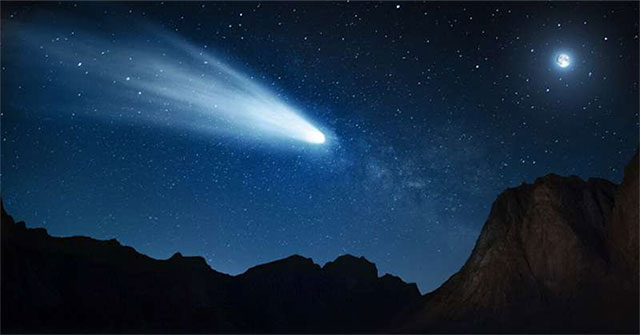
A new project led by a University of Florida researcher could fundamentally alter our understanding of how comets come from the outskirts of the Solar System.
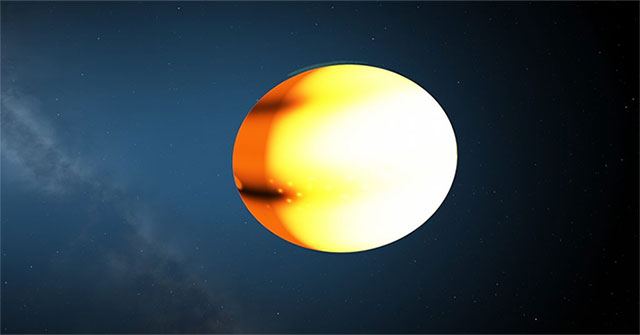
Astronomers found a Jupiter-like exoplanet located very close to the orange dwarf star 1,060 light-years from Earth.
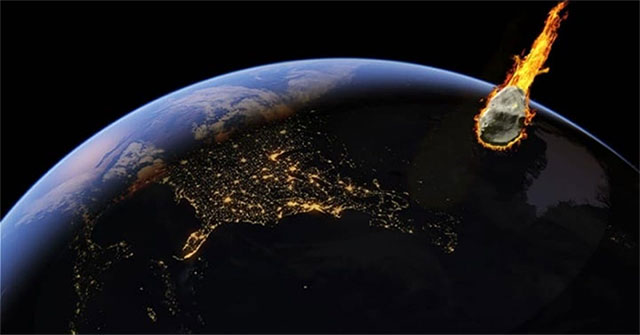
The meteorite has an estimated diameter of 14m, has been added to the list of hazards to Earth by the European Space Agency (ESA) after calculating the path and detectin…
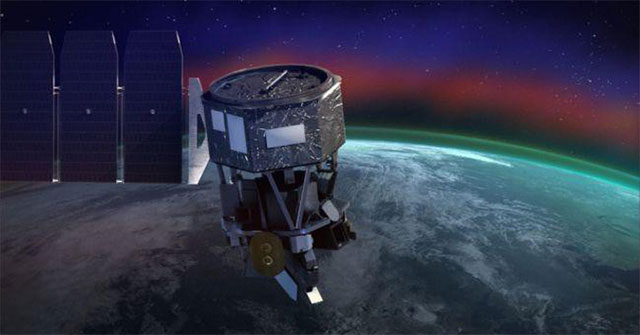
The US Aeronautics and Space Administration (NASA) launched a satellite to explore the mysterious area where the air meets space.

3.5 million years ago, a huge explosion had 'flashed' from the center of our Milky Way galaxy. The radiation from the explosion was felt 200,000 light-years away.