Environment
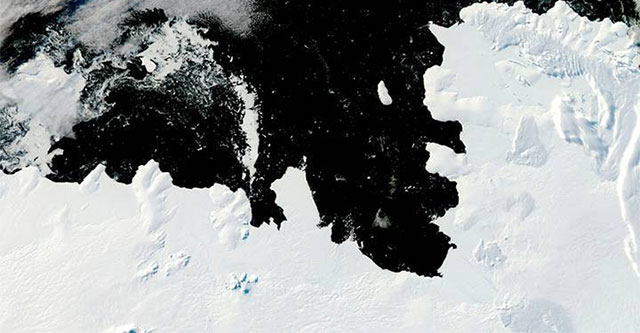
Scientists fear giant Antarctic glacier will break
Scientists fear the Thwaites Glacier in Antarctica is fracturing and could shatter as easily as a car window.
Explore climate, weather, energy, ecosystems, pollution, natural resources and environmental changes affecting regions around the world.
7,336 published items in this category and its subcategories.
Scientists fear the Thwaites Glacier in Antarctica is fracturing and could shatter as easily as a car window.
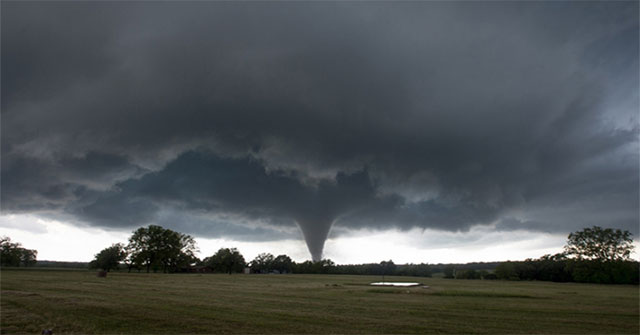
Global warming may create favorable conditions for tornadoes, but scientists are cautious about talking about a direct link.

New NASA graphic shows the path of microplastics around the oceans across the Earth's surface.
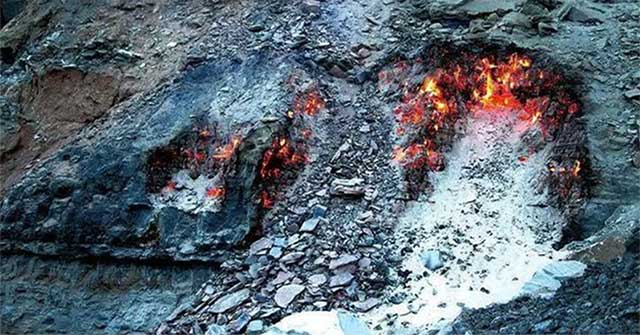
This brazier is likened to 'Hoa Diem Son' real life version, and of course the fire is not caused by the bagua furnace.
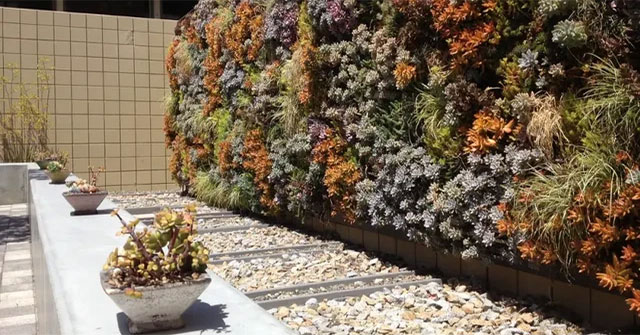
New research from the University of Plymouth could help change the way we keep our homes warm and cool.
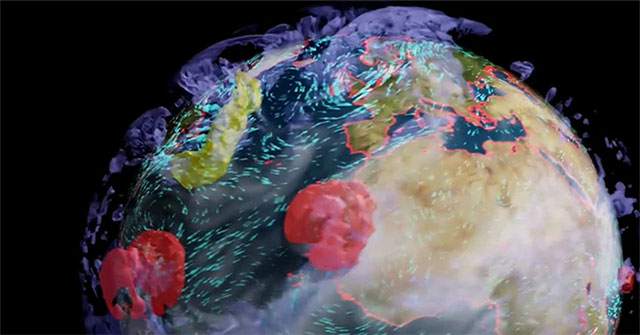
The earth is getting hotter and hotter. The past 7 years can be considered as the 7 hottest years in human history.
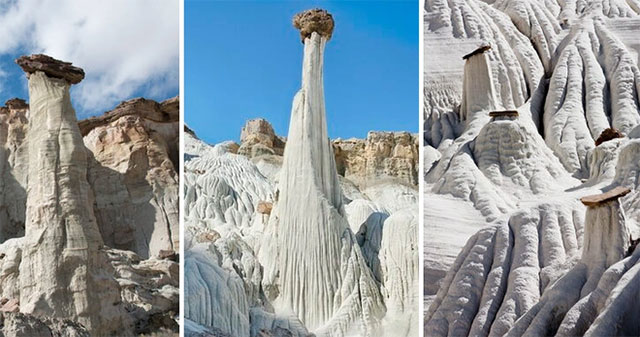
In the sunny land of Southern Utah, America has giant pointed stone towers nicknamed
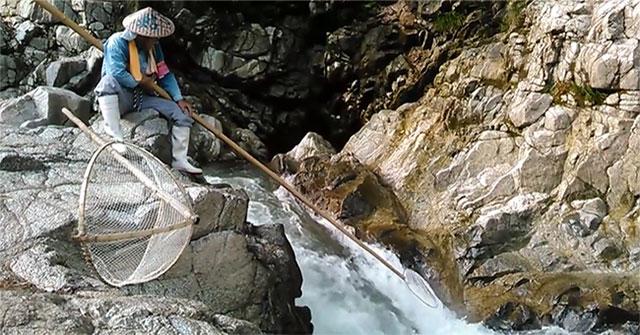
A very unique style of catching fish with fishing tools that very few people have ever seen.
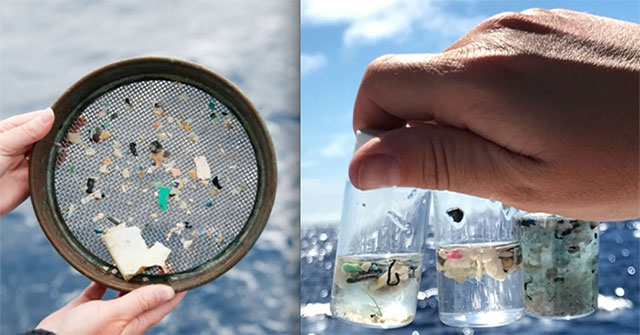
The ocean is facing dangers from plastic waste, nylon ropes used on fishing boats is one of the causes.
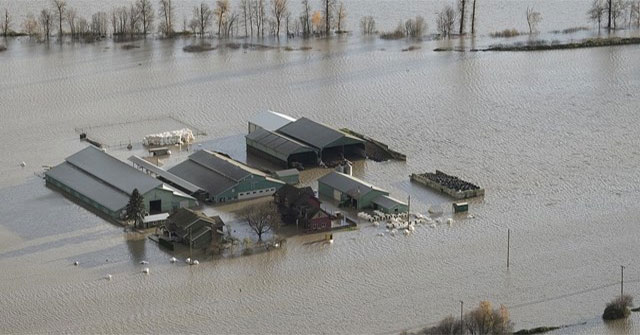
Floods and landslides have devastated the West Coast of Canada and the United States just months after a record heatwave, raising alarms about the worsening situation of…
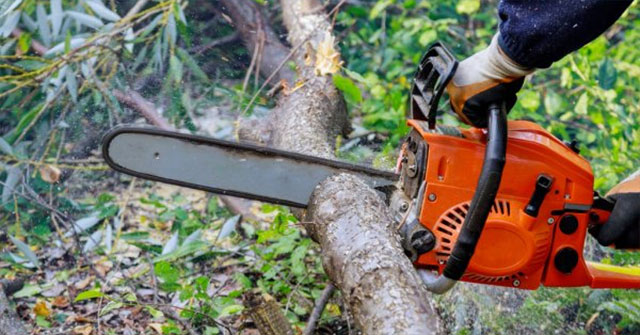
The city of Cape Town cuts down non-native trees because they consume so much water, about 55 billion liters a year.
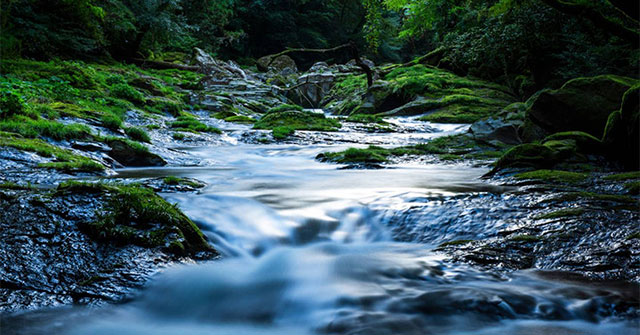
The mystery of the strong beer-smelling stream in Hawaii was recently solved when scientists discovered that spring water has 1.2% ABV (alcohol by volume or milliliters…
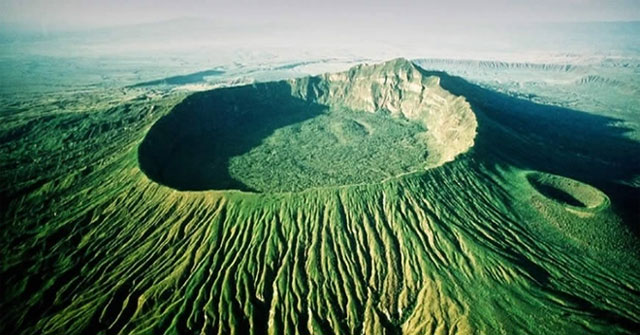
Longonot is an extinct volcano in Kenya. Today, the crater floor is a dense, green forest.
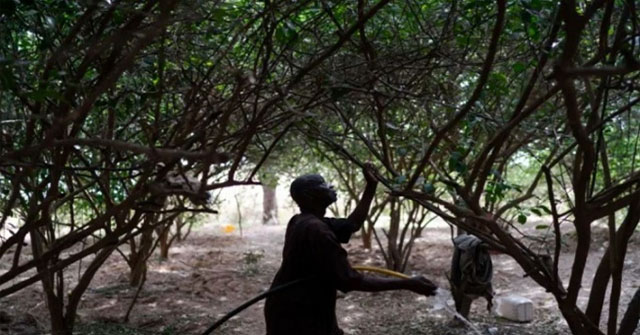
African countries aim to plant trees into a wall nearly 8,050 km long that runs across the entire continent, forming a natural barrier to prevent the Sahara desert from…
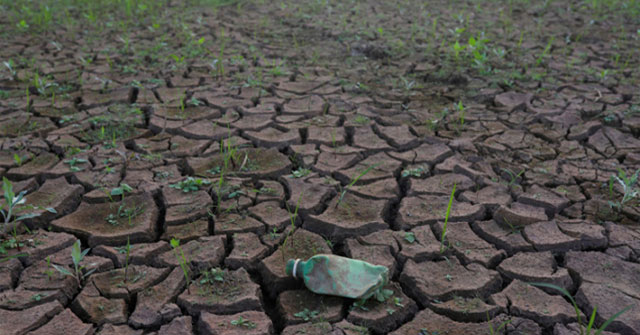
If the Earth warms by 2 degrees Celsius instead of 1.5 degrees Celsius, people, wildlife and ecosystems will all suffer severe consequences.