
Environment
The truth about 2012 doomsday
The fictional test and the reality behind the most popular scenarios about the end of the world are expected to happen in 2012.
Explore climate, weather, energy, ecosystems, pollution, natural resources and environmental changes affecting regions around the world.
7,327 published items in this category and its subcategories.
The fictional test and the reality behind the most popular scenarios about the end of the world are expected to happen in 2012.
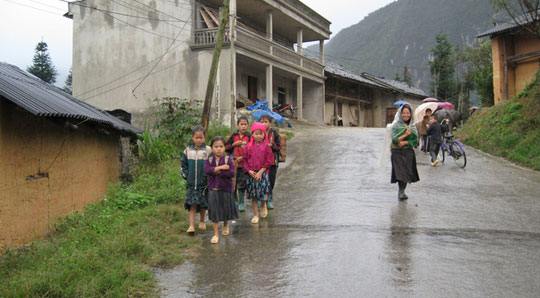
The cold air section continued to move quickly to the Northern provinces causing severe cold and bad weather in the East Sea.
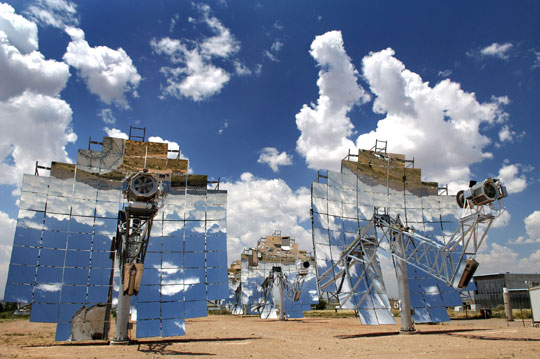
The US Environmental Protection Agency (EPA) will set standards for power plants using fossil fuels and refining facilities.
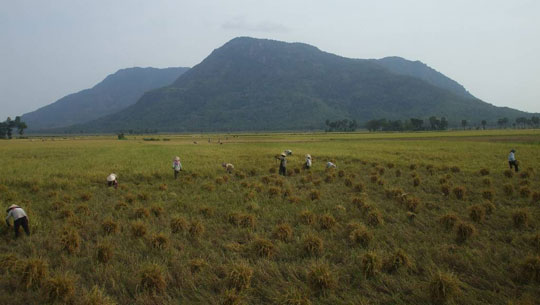
On the night of December 24, December 25, some coastal areas of Thanh Hoa province had rain, contributing to improving water sources for farmers.

The mayor of a French village has threatened to call for troops to set up barriers, preventing the influx of tourists coming here with the belief that this place is the…
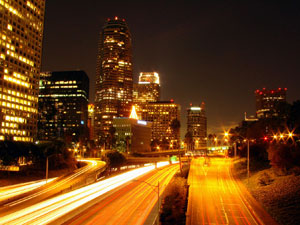
Artificial light in cities at night hinders the formation of air cleaners.
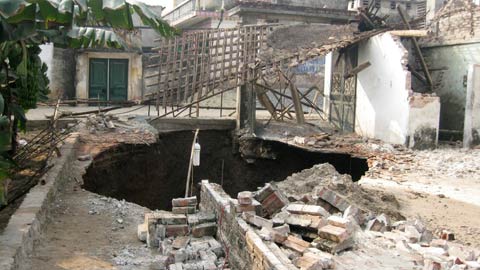
Professor and doctor of science Ngo Van Buu said it is necessary to test soil geophysical geophysics to help solve the problem
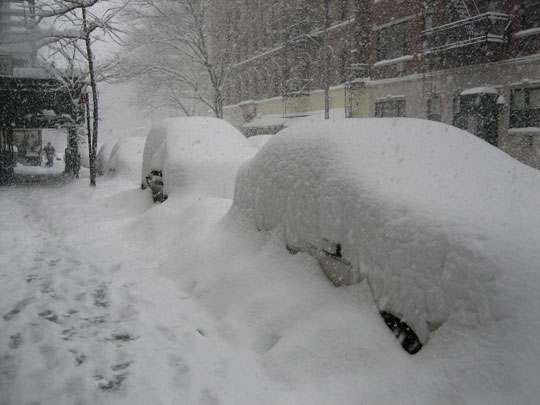
Snow storms continued to fall in the eastern United States, causing traffic congestion, widespread power outages and forcing many states to declare a state of emergency.
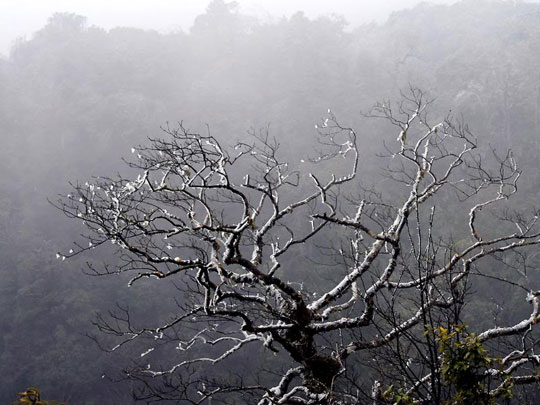
On December 28, the northern provinces were cold, the mountainous areas were cold, the lowest temperature in some areas was low, only 11 degrees Celsius.
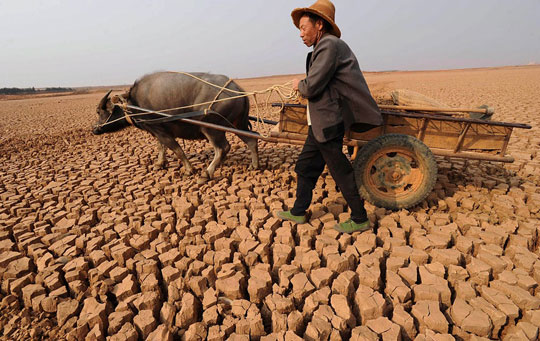
The drought caused nearly 20% of the total area of winter wheat in China to be affected, more than 1.7 million people lacked drinking water.
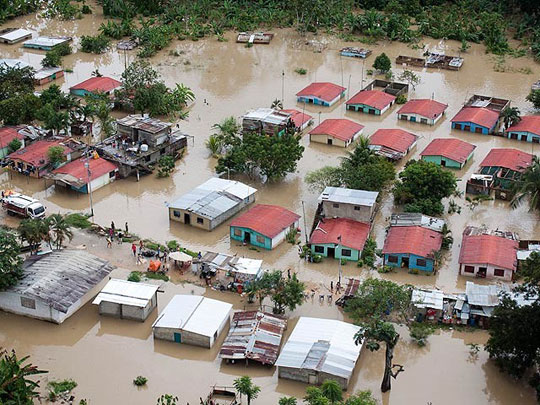
A series of fires occurred in China, Algeria, Lebanon over the past days; while floods in Australia and Colombia are also serious.
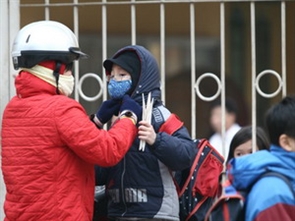
On the night of December 7, the cold air affected the Central, the temperature in the Northern provinces continued to decrease to 14 degrees Celsius, some places were 11…

The United Nations has called on countries around the world to ban the use of traditional incandescent bulbs to cope with the current complex climate change phenomenon.
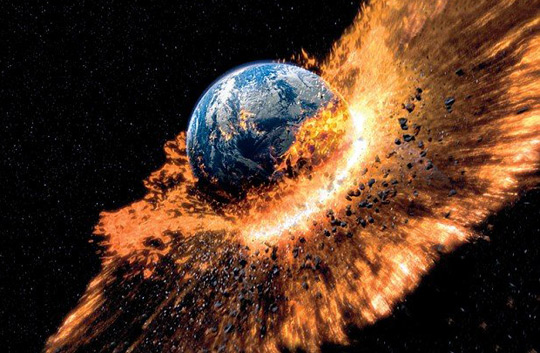
The UN warns climate change is making Earth, the common home of humankind, increasingly vulnerable to organic substances.
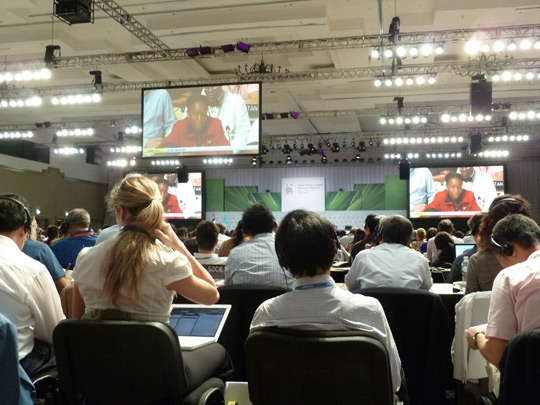
COP 16 countries have not found a common voice in the key issue, including the Kyoto Protocol and emission reduction mechanism.