RobotLawyer, the developer, envisions AI replacing lawyers, saving clients litigation costs and the need to hire experts.
In recent years, the capabilities of artificial intelligence (AI) have expanded more than ever before, from writing poetry and computer programming to essay writing. Even text-to-speech image creation tools like DALL-E 2 and Stable Diffusion can create works of art, impressing even seasoned professionals in the field.
Recently, AI has once again demonstrated its limitless potential through its applications in everyday life.
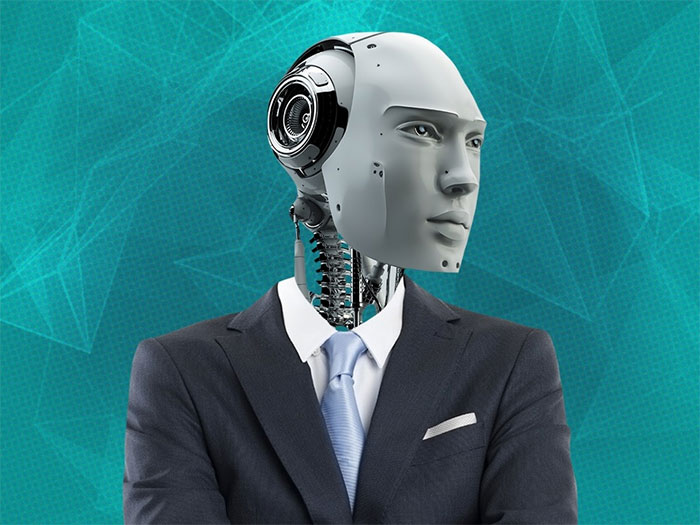
This is the first case to use AI, so the AI company will be held fully responsible if they lose the lawsuit. (Image: Business Insider).
The world's first AI lawyer.
An AI-powered computer program called RobotLawyer is set to be used in a US court case in February 2023 as a defense attorney for a client. The case concerns fines for speeding.
In reality, this program will not appear in court but will instead be installed on a phone and used to defend the defendant through a headset.
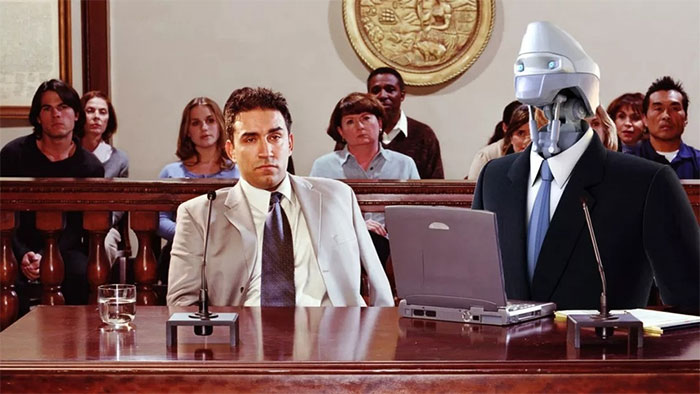
RobotLawyer will provide advice and defense to its clients through headphones. (Image: TechSpot).
RobotLawyer is developed by the artificial intelligence company DoNotPay . Founded in 2015, DoNotPay specializes in providing chatbot solutions to help individuals argue and negotiate with large organizations and corporations regarding financial irregularities, annoying automated calls, or even protest parking violations they receive.
DoNotPay stated that in most of these cases they could have won but still decided to hire a consulting firm because they couldn't afford expensive legal teams or didn't have the time for complex litigation.
Recently, DoNotPay has successfully developed an AI program to provide legal defense in simple cases like the one above, saving customers time.
For example, if a user wants to cancel a monthly subscription, they can use an AI program to negotiate with the provider. This tool can also offer the most reasonable solutions in cases where the respondent is an automated answering machine.
By 2023, the AI company had made further progress by participating in the defense of clients fined for speeding. DoNotPay claimed to be the first company to have a robot lawyer. RobotLawyer would gather all data from relevant past cases to prepare for the lawsuit and respond to prosecutors in court.
Ambition to replace lawyers
According to Interesting Engineering, because this is the first case using AI, DoNotPay will bear all responsibility if its AI program loses the lawsuit. DoNotPay will be the party responsible for speeding fines. But if they win, the company's AI tool will open a new chapter in the application of artificial intelligence in the legal field.
However, the biggest question is whether applying AI to the courts is illegal. Regarding this, DoNotPay CEO Joshua Browder stated that there was a previous trial where the defendant was allowed to hear their defense through headphones, demonstrating that this practice was still within the law.
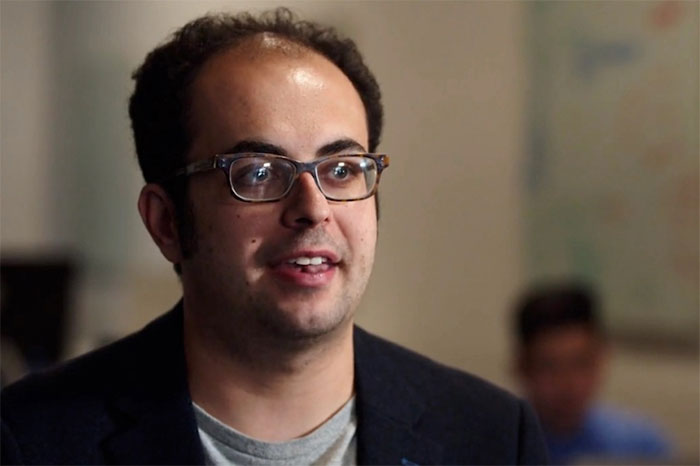
CEO Joshua Browder is a computer scientist at Stanford University. (Photo: DoNotPay).
Browder said he spent a lot of time training the AI virtual assistant to handle lawsuits from a variety of different fields.
The most challenging aspect is ensuring this AI tool is based on facts. He argues that AI should not distort or manipulate the truth. The AI tool is designed not to automatically react to every development in court. Instead, RobotLawyer will listen to the arguments of both sides and conduct thorough analysis before advising the client.
Browder says his goal is for RobotLawyer to replace lawyers, saving clients the costs of litigation and hiring legal experts. "All it takes is using language to persuade and negotiate, but lawyers charge hundreds or even thousands of dollars an hour ," he says.
Beyond legal advice, DoNoPay is committed to helping clients win even against large corporations and sue anyone who infringes on their rights with just a few simple steps. RobotLawyer will first ask specific questions about the client's problem, then identify loopholes, incorporate them into the lawsuit, and submit it to the relevant authority.