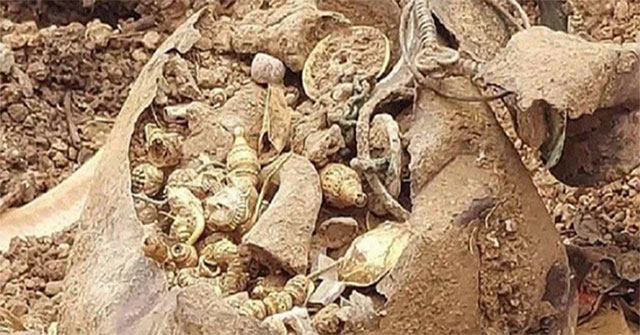
The Mausoleum of Qin Shi Huang , the great mausoleum of the first emperor of China, has always held many mysteries that have attracted the attention of researchers and tourists. One of the most famous mysteries is the huge amount of mercury that is said to exist inside the mausoleum.
According to historical records and archaeological excavations, the mausoleum of Qin Shi Huang was built on an extremely grand scale, simulating an underground royal palace. To protect Qin Shi Huang's body from bacteria and tomb robbers, a large amount of mercury - a highly bactericidal poison - was used to cover the coffin.
It is estimated that about 100 tons of mercury were used in the Qin Shi Huang Mausoleum . This is a huge amount, compared to the mercury mining at that time, it was an extraordinary feat. However, this is still an exact number that has not been verified by scientists due to concerns about the risk of environmental pollution.
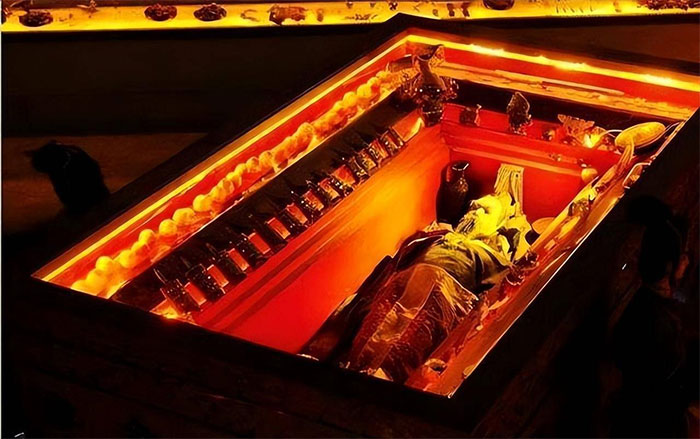
It is estimated that about 100 tons of mercury were used in the mausoleum of Qin Shi Huang. (Illustration photo).
The tomb of Qin Shi Huang, the first emperor of China, has always held many mysteries that have intrigued archaeologists and the public. One of the most famous mysteries is the huge amount of mercury that is said to exist inside the tomb.
For more context, see The mystery of the statue lying on its back, hands on the ground in the tomb of Qin Shi Huang.
The presence of this huge amount of mercury has raised many hypotheses and concerns about its impact on human health and the surrounding environment. Some experts believe that this amount of mercury can cause poisoning to those who come into direct contact, and also contaminate water and land sources in the area.
However, archaeologists also pointed out that this amount of mercury was tightly sealed inside the tomb and there was little chance of it leaking out. They also said that the mercury concentration measured in the area around the tomb is still within the safe range .
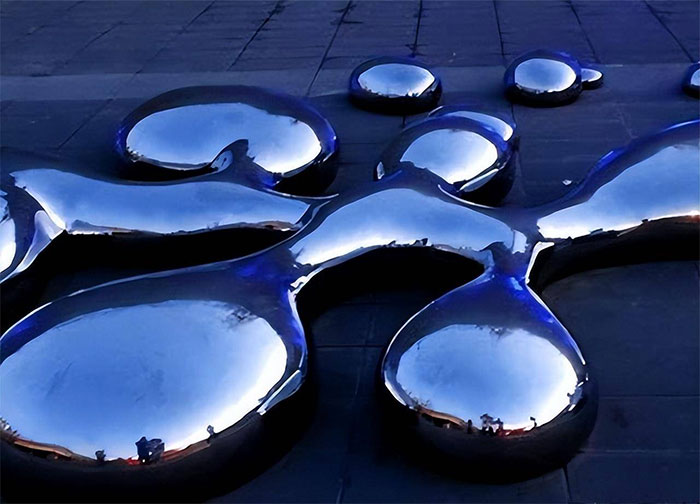
Ancient people used large amounts of mercury to cover around coffins. (Illustration photo).
According to ancient records, the mausoleum of Qin Shi Huang was built extremely magnificently, imitating the underground royal palace. To protect the emperor's body from tomb robbers, a large amount of mercury was used to cover the coffin. It is estimated that up to 100 tons of mercury were used in this project. However, to date, there is no scientific evidence to confirm that this huge amount of mercury actually exists. Archaeological excavations at the mausoleum area have only discovered a small amount of mercury, not enough to confirm the initial hypothesis.
In recent years, experts have speculated about the liquid mercury content of the mausoleum through research on pomegranate trees around the mausoleum of Qin Shi Huang. It was observed that most of the pomegranate trees around the mausoleum did not bear fruit, which may be related to environmental pollution caused by liquid mercury in the mausoleum. Although the actual amount of liquid mercury used is uncertain, the phenomenon of pomegranate trees provides indirect clues.
With the advancement of archaeological technology and scientific methods, people's exploration of the Mausoleum of Qin Shi Huang will also be more in-depth. Modern technology allows for more precise analysis of the tomb's structure, the distribution of liquid mercury, and ancient craftsmanship. There may be more archaeological activities in the future to reveal more mysteries about the Mausoleum of Qin Shi Huang.
The use of mercury in the construction of the Qin Shi Huang Mausoleum is a controversial topic. Some believe that the use of mercury was a religious ritual to protect the emperor's soul. Others believe that mercury was used as a poison to prevent bacteria and microorganisms from decomposing the body. Regardless of its purpose, the large amount of mercury in the Qin Shi Huang Mausoleum poses potential risks to the environment and human health. Mercury is a highly toxic heavy metal that can cause neurological, respiratory, and cardiovascular problems.
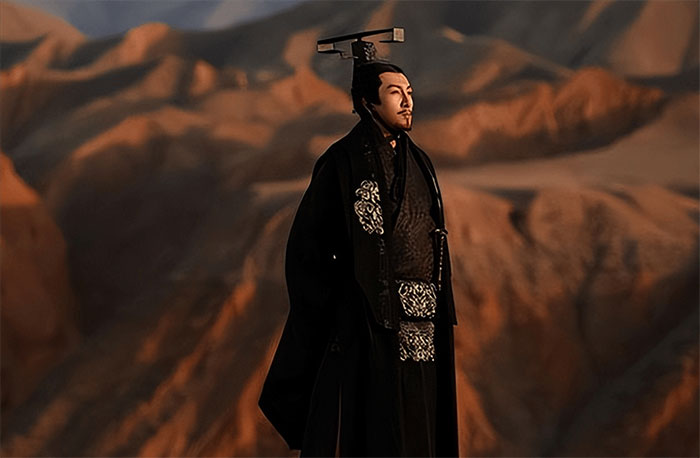
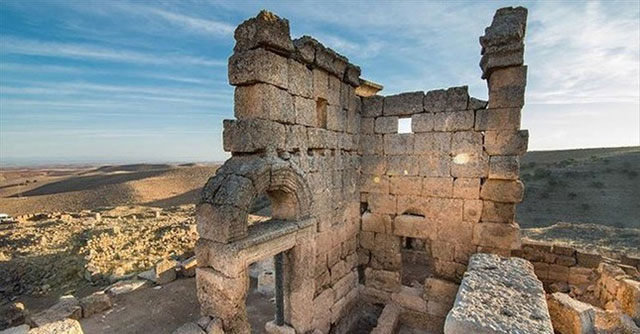
The Mausoleum of Qin Shi Huang was built on an extremely grand scale. (Illustration photo).
The mystery and splendor of the Mausoleum of Qin Shi Huang attracts many tourists. The Terracotta Warriors and Horses Pit and the surrounding archaeological sites have become must-see destinations for visitors. As the exploration and protection of the mausoleum continues, there will likely be more interactive displays and projects in the future to allow people to understand this glorious history more visually.
Excavation and conservation of the Qin Shi Huang Mausoleum must be carried out with great care to avoid mercury leakage into the environment. Scientists are researching methods for safe and effective mercury treatment, ensuring the protection of cultural heritage and public health.
However, the fact remains that the excavation of the Qin Shi Huang Mausoleum involves complex scientific and ethical issues. Because of the large amounts of toxic mercury that may be present, ensuring the safety of archaeologists and preventing further environmental pollution are urgent issues that need to be addressed. In addition, issues such as respect for history, heritage protection, and cooperation with the community must also be carefully considered.