The Muses are 9 beautiful young women representing: science, literature and art. They are a source of inspiration in the poetic material of ancient Greek culture. They are also seen as embodiments of knowledge and art, especially dance, music and literature.
9 goddess Muses is the daughter of Zeus (king of gods) and Mnemosyne (memory goddess). There is also another myth that they are goddesses born from four Helicon streams flowing on the ground, after Pegasus, the winged horse god imprinted on the ground and created these currents.
The artistic areas of the 9 goddess Muses include: Music, science, philosophy, mathematics, geography, drama and painting. It is believed that the Muses goddesses have the ability to bring success and prosperity to people.
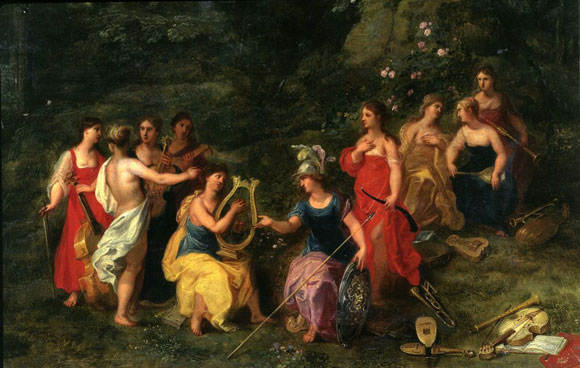
It was not until the Renaissance and the neo-classical art movement that the images of the 9 Muses goddesses were standardized and widely disseminated. They began to appear regularly in sculptures and paintings. Each goddess will hold a symbolic object called a symbol.
Beliefs worship 9 Muses goddesses often associated with waterfalls or streams. During worshiping ceremonies, there will be long poetry readings and special sacrifices. In the 18th century people even tried to restore these rituals but were unable to and they are now completely lost.
Calliope
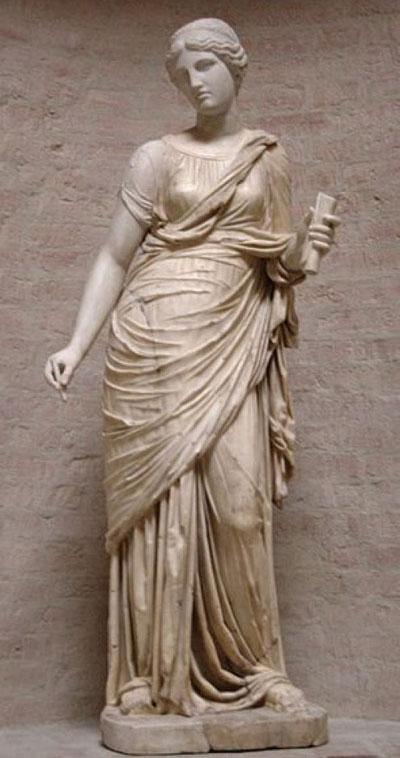
Calliope is the epic poem goddess. She has two children, Orpheus and Linus. She is the most intelligent and decisive goddess, the goddess of eloquence. She often held symbols like a log, a rolled up paper, a book or a crown.
Clio
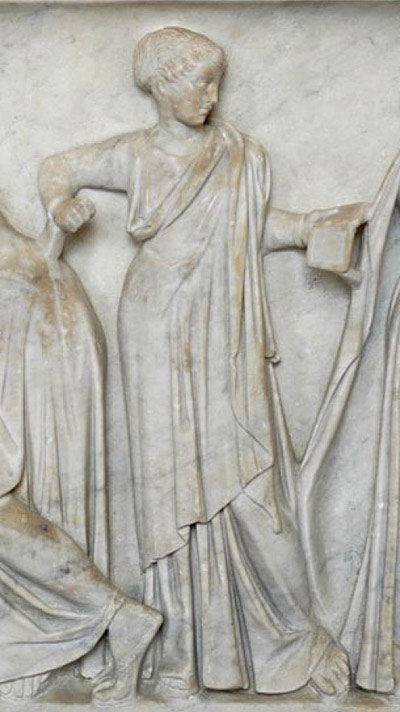
Clio is the Goddess of History. she has a son, Hyacinth. She often holds an open scroll or sits on a stack of books.
Erato
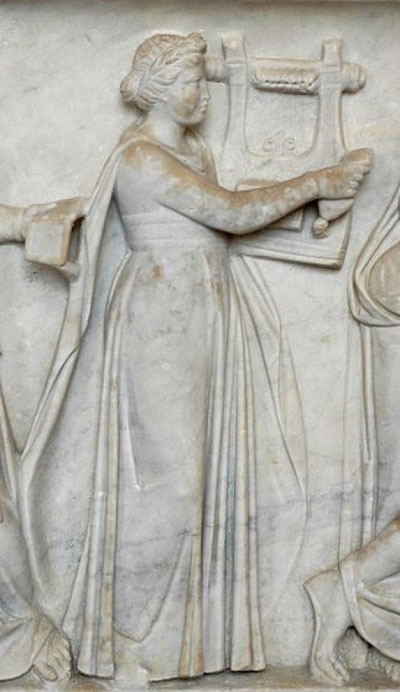
Erato is the goddess of poetry, especially verses about love or love for men and women. Erato often wears a garland of roses and sim flowers, holding a Cithara (lyre) or holding a golden arrow.
Euterpe
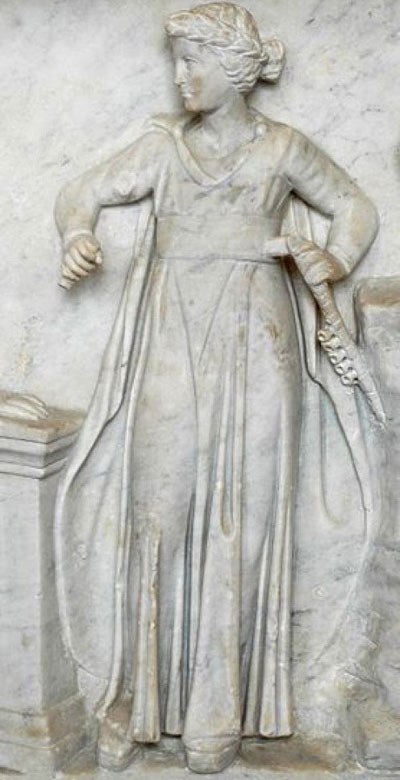
Euterpe in Greek means 'The one who brings joy' , is the Goddess of Music whose duty is to entertain the gods on Mount Olympus. She is an inspiration for poets, writers and playwright. Euterpe often plays an instrument called Aulos (double flute flute).
Melpomene
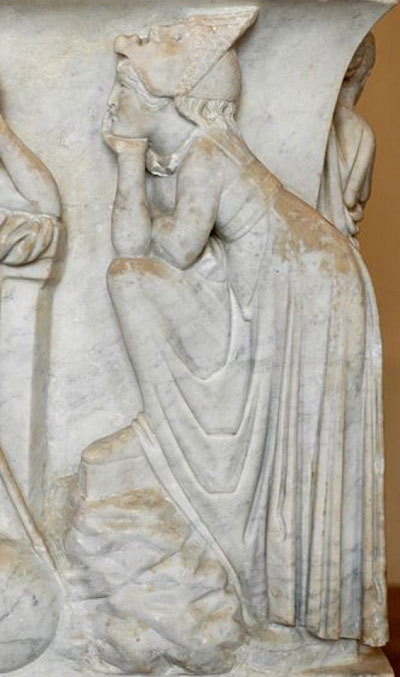
Melpomene is the Goddess of Singing but later becomes the Goddess of Tragedy. She often wears a painful mask, takes the kind of boots that actors play in the ball that are often used, one hand holding the knife or the sword and the other holding the mask. If you want to create beautiful lyrics, Melpomene will be an endless source of inspiration.
Polymnia
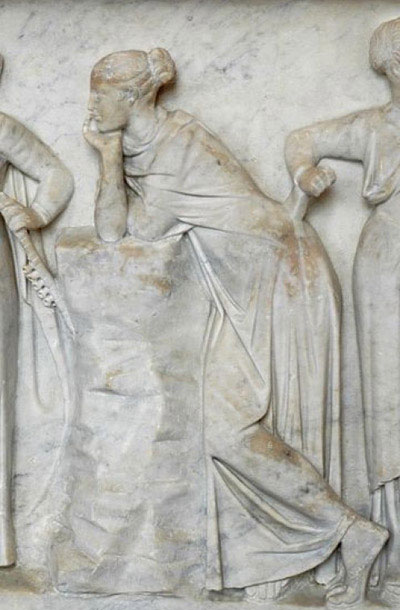
The goddess of divine verses, hymns and speeches. She has a posture and a rather pensive face with a chin-holding posture.
Terpsichore
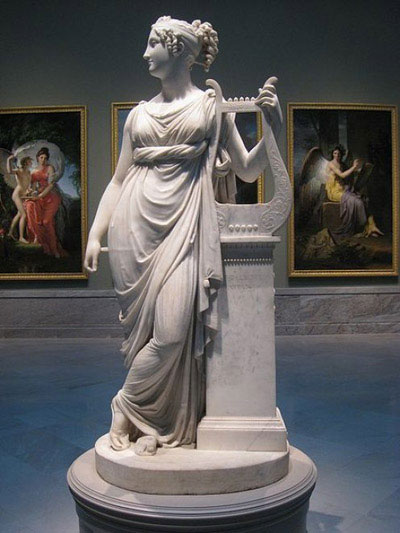
Dubbed the dancing and musical goddess, Terpsichore is often portrayed with a standing or sitting on a lyre.
Thalia
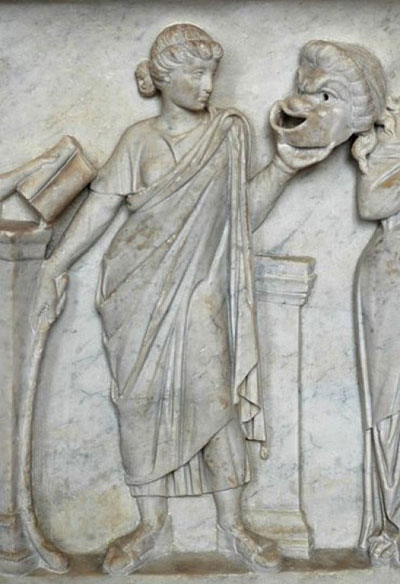
Thalia is the goddess of humorous verses. She often wears ivy wreaths, holds a funny mask, and holds the shepherd's whip in the other hand.
Urania
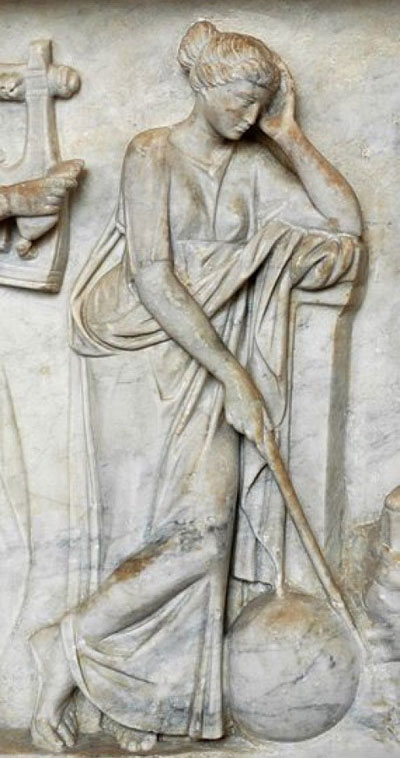
Urania is the Goddess of Astronomy and astronomical materials. She has a prediction of the future based on the position of the stars. She inherited the power and wisdom of Zeus as well as the beauty and warmth of the goddess Mnemosynes. Urania often wears an embroidered gown of stars, eyes facing Heaven and stands by a planet where she uses a pointing stick.
The 10th goddess
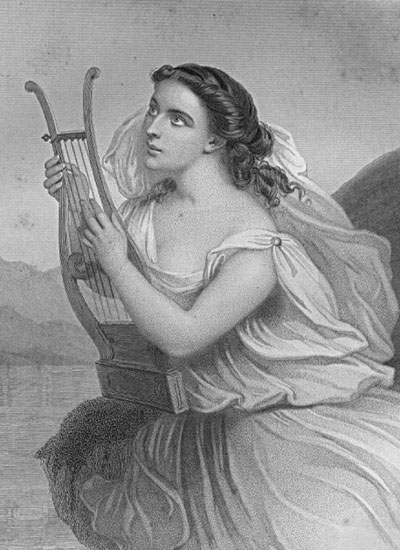
In later history there is one more goddess named Sappho (Lesbos) who is named by god Plato. Currently from Sappho is dedicated to the most outstanding female poets. Unfortunately, there is no data about the life of Sappho goddess handed down.