
Environment
How Vienna Prepared for a 5,000-Year Flood
The measures Vienna is taking to prepare for extreme rainfall could provide lessons for other cities dealing with flooding.
Explore science in everyday life, from weather and health to wildlife, geography, human biology and unusual phenomena around the world.
9,109 published items in this category and its subcategories.
The measures Vienna is taking to prepare for extreme rainfall could provide lessons for other cities dealing with flooding.
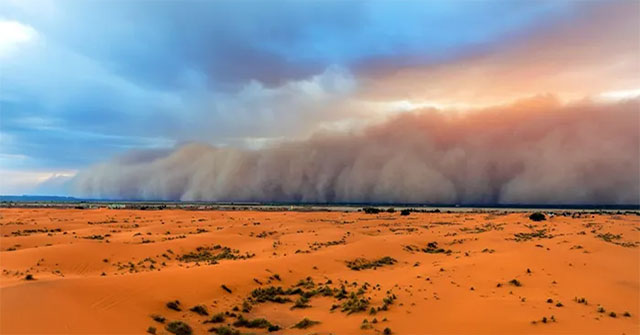
As iron-laden dust moved farther away from the Sahara, atmospheric reactions made iron increasingly accessible to support life.
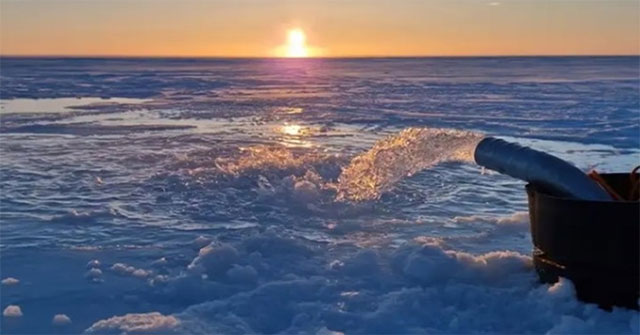
Field tests show that pumping seawater into snow on top of Arctic sea ice thickens the ice sheet, providing a viable way to maintain ice cover through the summer.
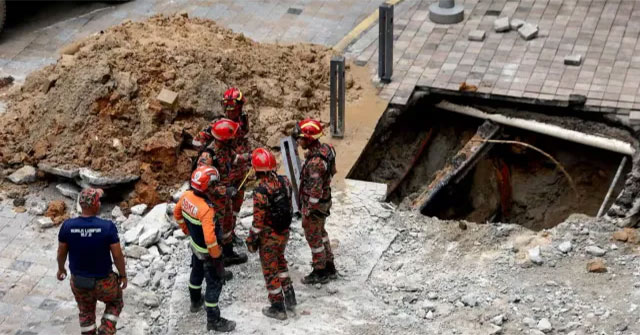
Many experts say that climate change makes countries in the Southeast Asian region face more risks stemming from sinkholes.
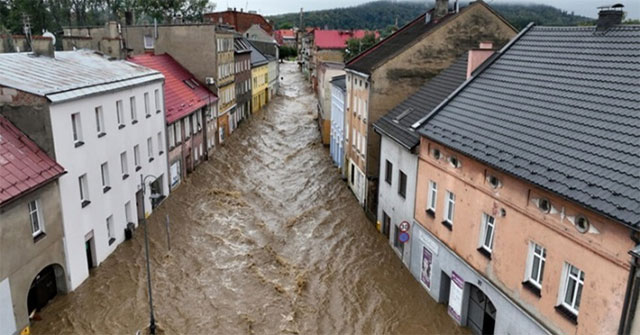
Rising ocean and land temperatures provide extra heat and moisture, helping storms intensify and bring heavy rain around the world.
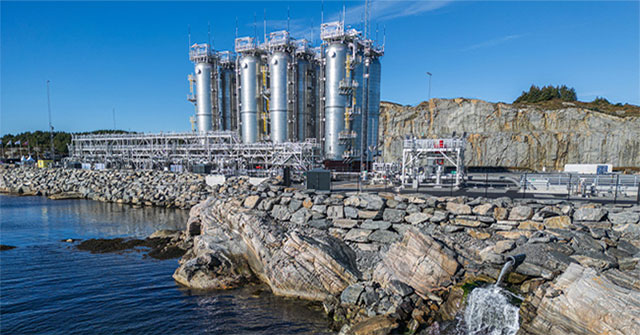
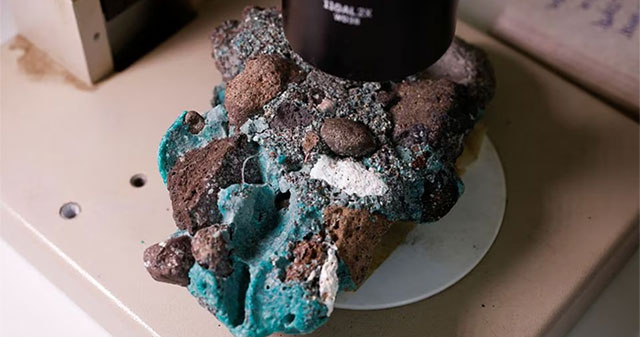
Scientists in Brazil have discovered rocks mixed with plastic on the volcanic island of Trindade.
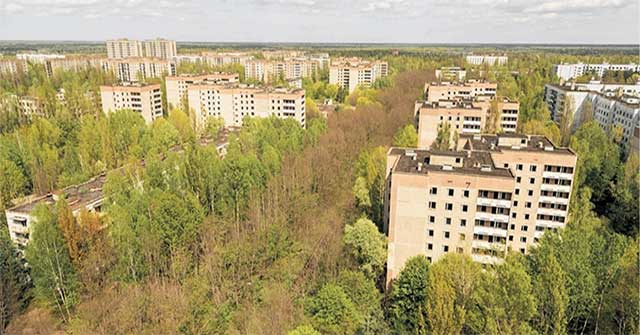
Some animals are constantly reproducing, others are forced to evolve…

There are some fairly simple principles that kindergarten students can be taught and implemented in the unfortunate case of being forgotten in a car or shuttle.

Research shows that brightly colored plastics such as red, blue and green are able to decompose into microplastics faster than light or colorless plastics.

More than 250,000 passengers pass through Stockholm Central Station every day, unaware that their body heat is being exploited for energy.
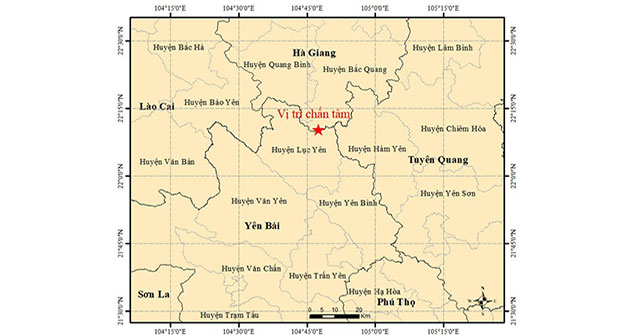
A strong earthquake of 3.5 degrees (magnitude M) occurred in Luc Yen district (Yen Bai) on the afternoon of May 29. People near the epicenter clearly felt the shaking.
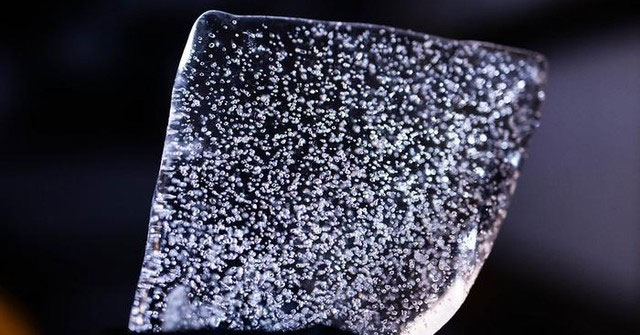
Scientists from Oregon State University have determined that the current rate of natural CO2 increase on Earth is the fastest in the past 50,000 years.
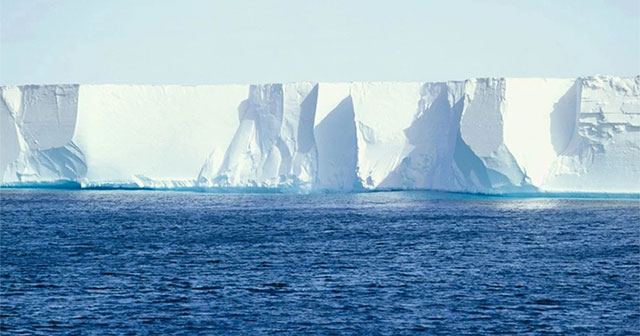
According to SciTechDaily, ice stream activity caused the Ross Ice Shelf in Antarctica to suddenly shift.
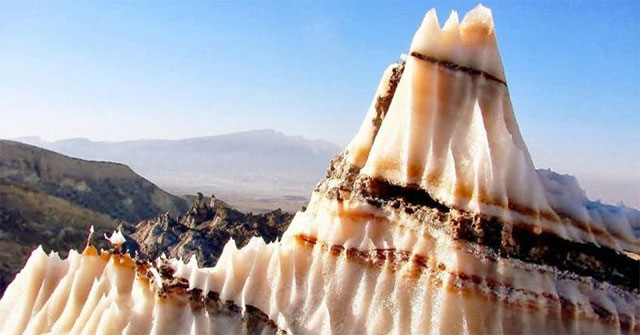
The salt dome cluster in the Zagros range was formed millions of years ago and is unique in terms of diversity, shape, formation and development process.