New technology
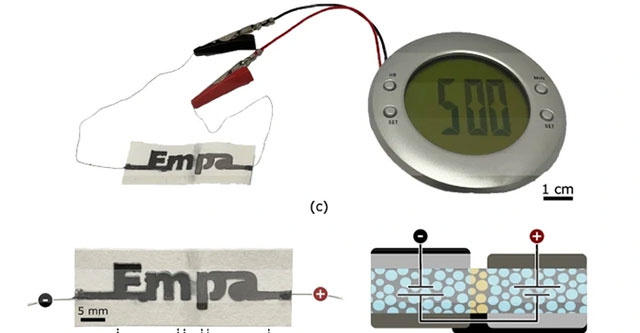
Create a paper and water-powered battery that's as powerful as an AA battery
Water-powered paper batteries hold the promise of high applicability to disposable electronic devices.
Track emerging technologies, autonomous vehicles, advanced materials, clean energy, robotics and engineering breakthroughs changing the future.
7,777 published items in this category and its subcategories.
Water-powered paper batteries hold the promise of high applicability to disposable electronic devices.

Swedish companies Stora Enso and Northvolt have tested completely new materials in electric vehicle batteries with ingredients taken from trees in the forests of Norther…
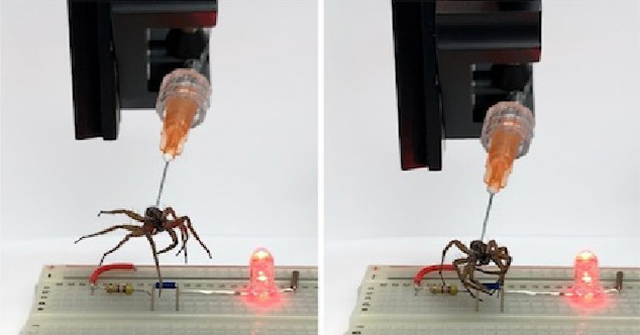
Scientists have found a way to manipulate dead spiders like a robotic arm to lift heavy objects.

The US Navy has developed, patented, and is a co-copyright holder of the laser-sensing Plasma technology, but what is interesting is that this new technology could poten…
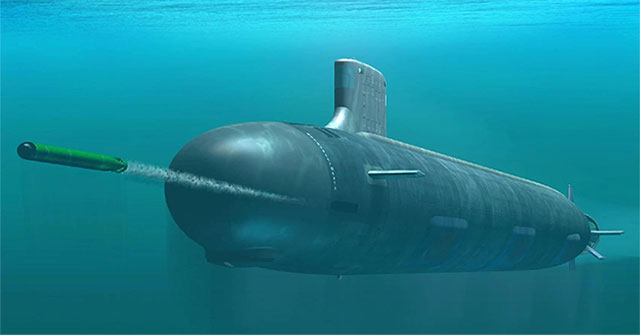
Using the most modern technology in our time can make submarines lose their stealth?

The Boom Supersonic company has set a goal of producing the world's fastest civil aircraft by 2024 and will launch it a year later.

Researchers at the University of California, Berkeley, have built a unique robot: a robot that learns to walk on its own.

If today's most powerful supercomputers need 9,000 years to solve this problem, light quantum chips only need a few millionths of a second.
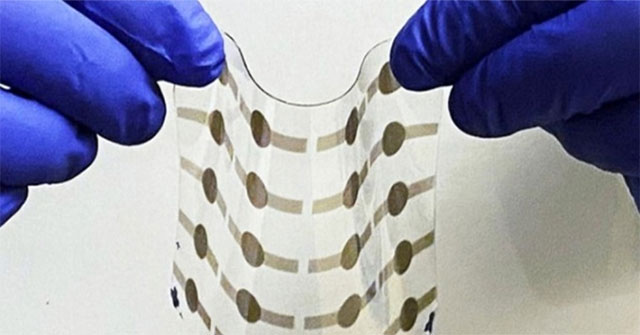
Researchers at the University of California, Los Angeles (UCLA) have developed a new material to produce artificial muscles that are stronger and more flexible than many…

The Finnish company installs a battery system whose main component is about 100 tons of sand, which helps to store green energy in the form of heat for months.
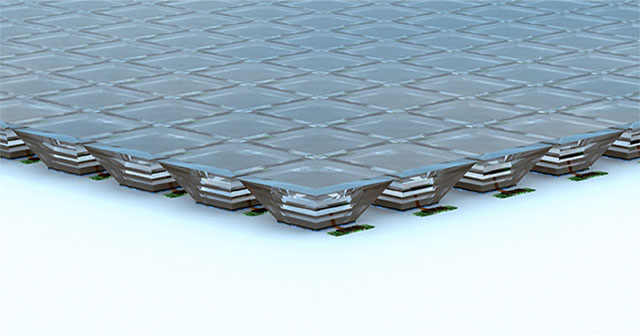
Solar cell technology now requires solar cells to absorb sunlight directly to create the highest conversion efficiency.

While the potential of hydrogen fuel cell vehicles is exciting, expanding the field remains fraught with obstacles.
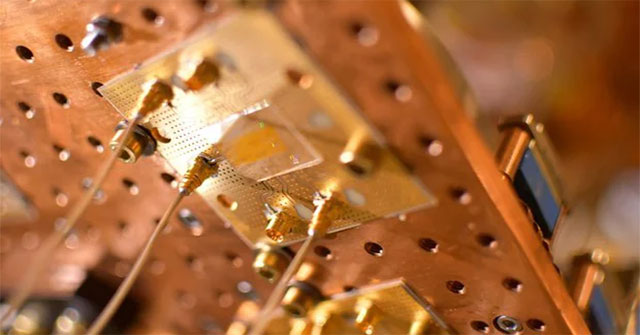
Because they do not use conventional electromagnetic waves to operate, these sound wave chips can be compatible and connected to quantum computer systems.
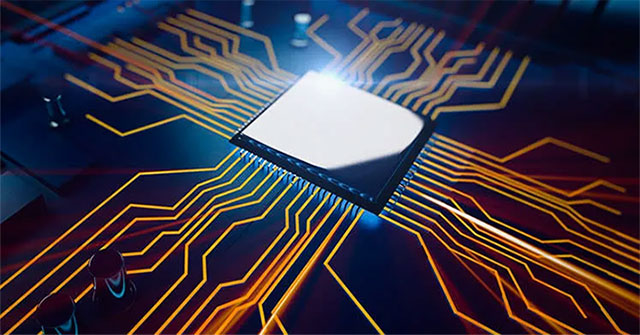
Engineers at Penn State University have created a chip that can process and classify nearly 2 billion images per second.
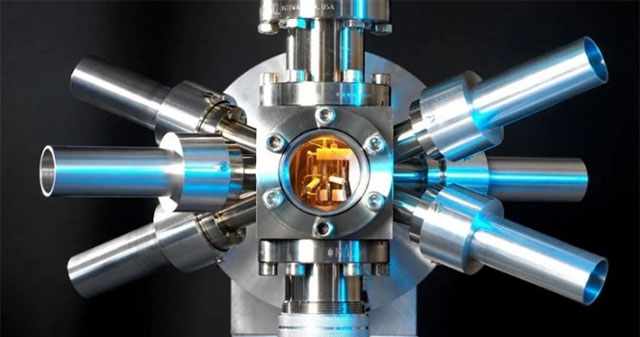
China's optical atomic clocks are designed to be accurate to one billionth of a billionth of a second on Earth, or just one second after 30 billion years.