
New technology
New technology shortens China's baijiu brewing time
Chinese researchers used microwaves to reduce the traditional baijiu brewing time from several years to 45 minutes.
Track emerging technologies, autonomous vehicles, advanced materials, clean energy, robotics and engineering breakthroughs changing the future.
7,777 published items in this category and its subcategories.
Chinese researchers used microwaves to reduce the traditional baijiu brewing time from several years to 45 minutes.
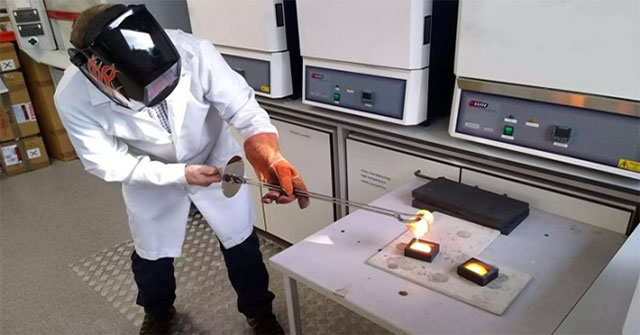
By modifying the composition, a team of researchers has created a bioactive glass that is remarkably effective at killing disease-causing bacteria.
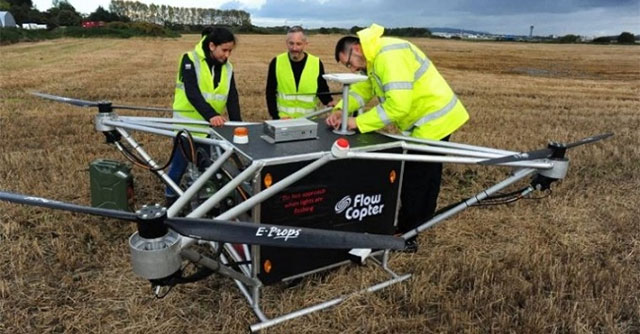
The hydraulic multi-wing drone model of the company Flowcopter has a range of 900km and a capacity of 150kg of cargo.

Lufthansa and BASF have developed the AeroShark abrasive film that reduces fuel consumption and emissions for all aircraft.
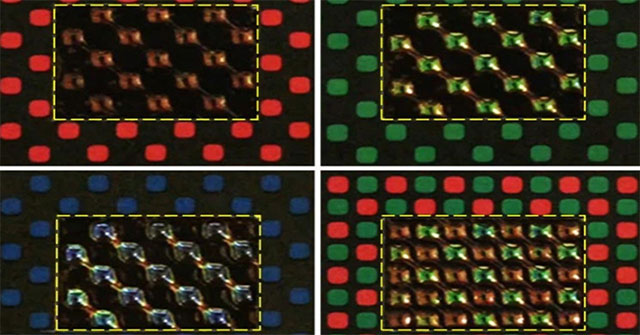
The octopus-inspired artificial cell can change colors and textures to mimic its surroundings, providing a camouflage effect.
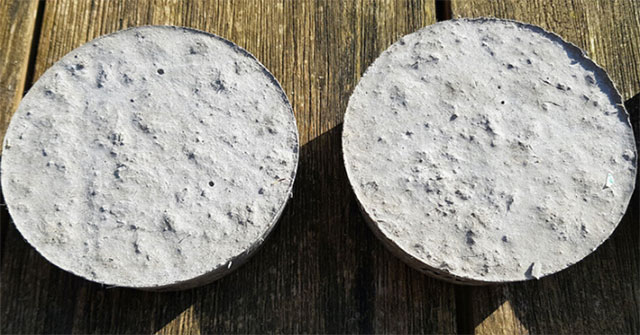
The new concrete from the Dutch company has a suitable surface for moss to grow, helping to create green facades in the city.
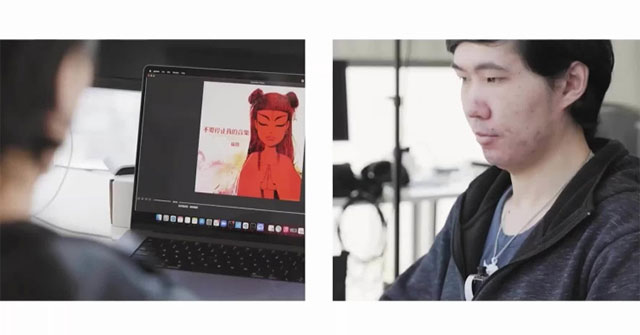
The experts who developed the experimental necklace were able to track the wearer's chin movement to see what they were asking for.
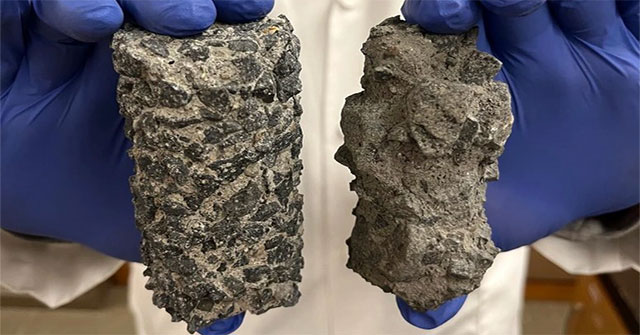
The new concrete model has improved 75% in waterproofing and 44% in reducing the corrosive effects of salt compared to commercial versions.

A flying car capable of converting from a road vehicle to an air vehicle has been certified as airworthy in Slovakia, paving the way for mass production.

The strongest part of a plant is not the root or the root, but the wall of microscopic cells. This is a new material that can pave the way for a future that no longer re…
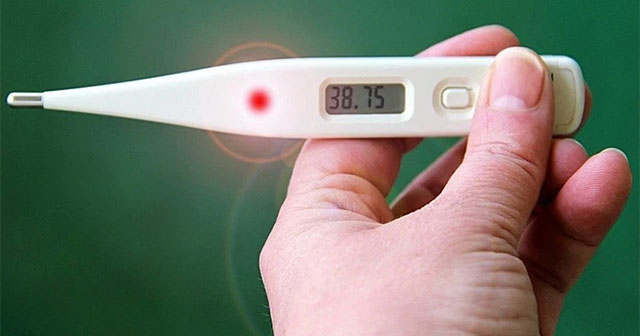
Harvard University, USA, is about to launch a new type of thermometer, elastic, super-fast response.
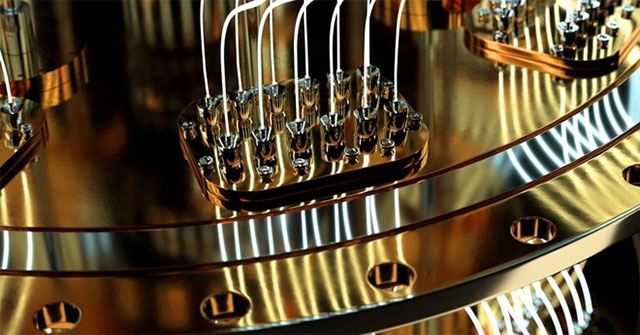
What is quantum technology, why America?
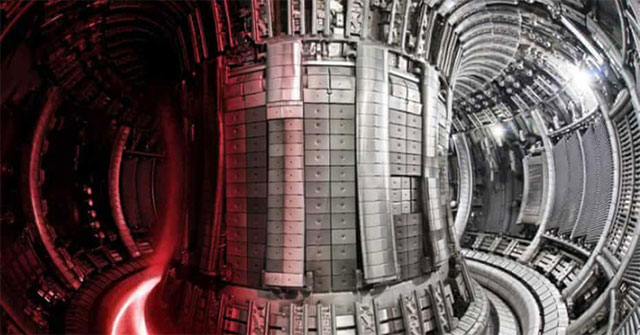
The JET reactor set a new record by generating 59 megajoules of energy in a reaction that lasted 5 seconds.
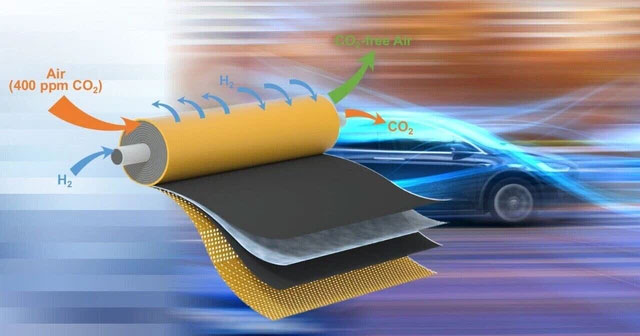
The research team made a breakthrough in air purification technology, which could pave the way for advanced systems installed on submarines and spacecraft.
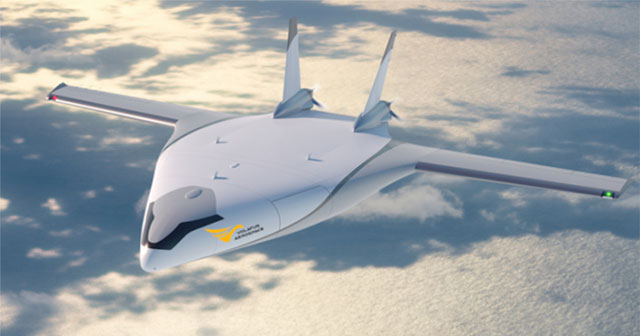
American startup Natilus unveiled the N3.8T unmanned aerial vehicle concept for higher transport efficiency and more environmental friendliness.