
New technology
China moves closer to quantum chips by creating a new light source
Chinese researchers use conventional semiconductors to create a quantum light source - an important component for making quantum chips.
Track emerging technologies, autonomous vehicles, advanced materials, clean energy, robotics and engineering breakthroughs changing the future.
7,777 published items in this category and its subcategories.
Chinese researchers use conventional semiconductors to create a quantum light source - an important component for making quantum chips.

Chattanooga, Tennessee, has one of the most advanced power grids in the US, able to self-repair and restore power within seconds.

The two companies cooperate to develop batteries for electric vertical take-off and landing aircraft (eVTOL), which take only a few minutes to charge from 30% to 80%.
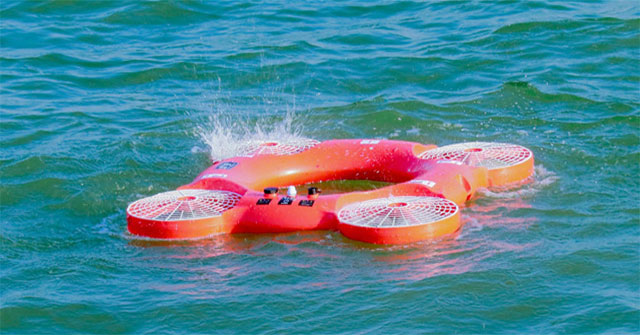
Drone TY-3R can help two adults float on water, has a communication range of 1.1km and operates for 10 minutes on a single charge.

The new type of water battery is expected to change the face of the future electric vehicle industry.

The US Air Force's 3,218 km/h XB-70 Valkyrie aircraft inspired the design of later civil supersonic aircraft Concorde and Tupolev Tu-144.

China seems to be charting new horizons by developing submarines powered by laser technology.

The humanoid robot Tiangong is 1.63 m tall and weighs 43 kg, presented at the Beijing Economic and Technological Development Zone on April 27.

Thanks to its 6 arms, the Stickbug robot can pollinate many flowers at the same time at a rate of 1.5 pollinations per minute.
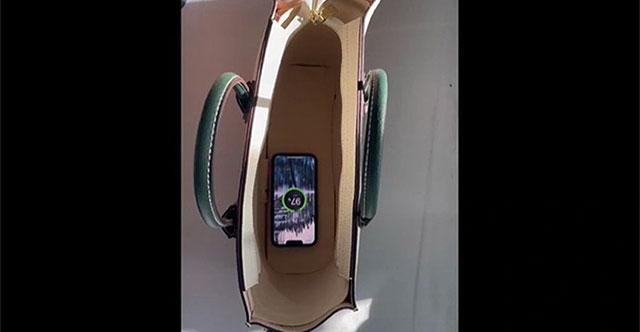
Chinese scientists have just introduced a type of bag and fabric that can charge phones extremely conveniently.
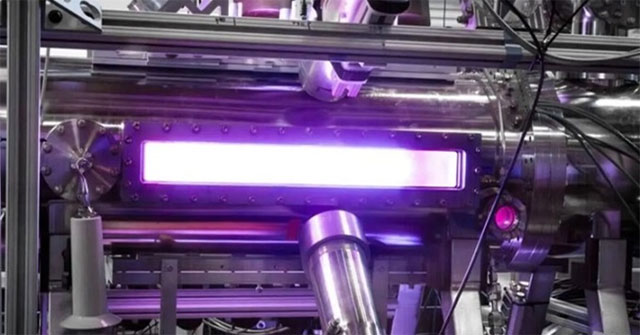
FuZe is a small, low-cost device that can reach fusion power temperatures quickly and meet future human electricity needs.

Throw Flame, a US-based flamethrower company, recently introduced the world's first flamethrower-equipped robot dog.

Scientists developed a process to produce artificial diamonds with liquid metal at a temperature of about 1,000 degrees Celsius and low pressure.
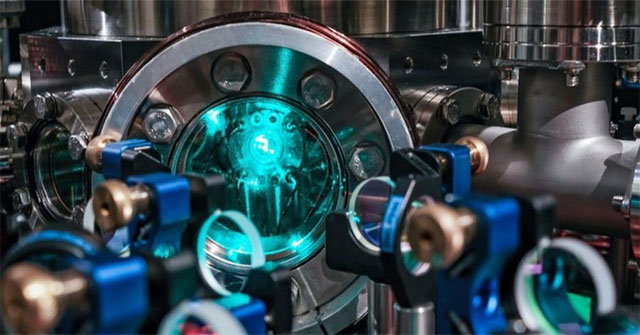
This type of super cold quantum computer will defeat the projects that Google and IBM are researching.
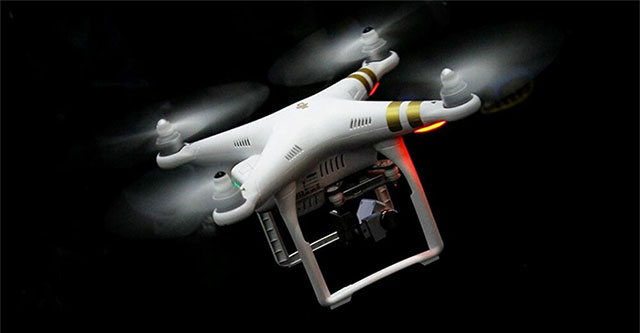
With an initial investment of 3.6 million AUD (2.32 million USD), the Wildu project will develop a special type of medical drone, powered by hydrogen fuel.