Why has the rabbit's miraculous reproductive ability never made it a staple food source for humans? What secret is hidden behind this?
The influence of cultural factors
In many cultures, rabbits are considered cute and interesting animals. Their rapid reproduction rate and agile jumping ability make them fascinating creatures of nature.
However, cultural factors often lead people to associate rabbits with pets and wildlife conservation rather than food. In many places, people often consider rabbits as family members or develop close relationships with them rather than as a food source.
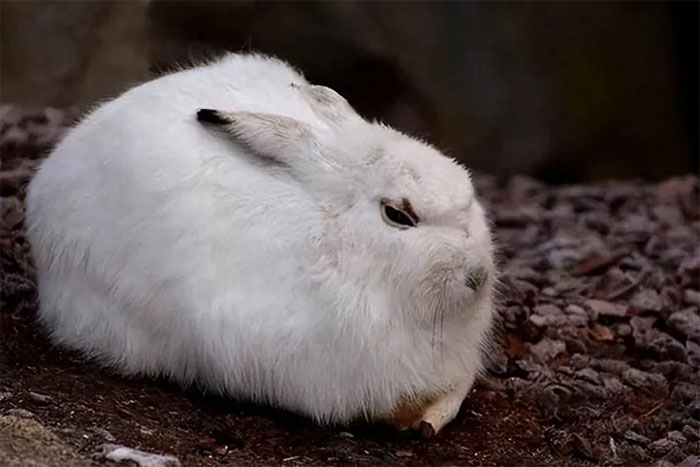
Rabbits also play a role in cultural customs and religious beliefs. In some countries and regions, rabbits are considered sacred animals, symbolizing happiness, luck and longevity. (Photo: Zhihu).
Religious beliefs are also one of the factors that have prevented rabbits from becoming a staple food for humans. In some religions, rabbits are associated with specific myths, legends, and symbols. For example, in the Christian tradition, rabbits symbolize resurrection and rebirth.
The Easter Bunny is one of the important symbols of Easter and on this day, people tend to celebrate it in the form of a chocolate bunny. Similarly, in many other religions, rabbits are considered to be gentle and lovable animals. Therefore, religious beliefs also play a role in protecting rabbits from being hunted.
In addition, the texture and taste of rabbit meat are also different from other commonly used meats. Although rabbit meat is considered a high-protein and low-fat meat, its soft texture and unique taste may not be to the taste of many people. Due to personal preferences and cultural differences, people may tend to eat other common meats such as poultry, beef and pork.

In some religious beliefs, rabbits are considered symbols of gods and are therefore considered inedible. Restrictions on religious beliefs and cultural practices are also one of the reasons why rabbits have not become a staple food for humans. (Photo: Zhihu).
However, rabbit is still considered a part of the diet in some cultures and regions. For example, in European countries such as France and Italy, rabbit meat is considered a delicacy and plays an important role in local culinary cultures.
The contradiction between meat quantity and reproductive rate
Rabbit meat is tender, delicious, rich in protein, trace elements and vitamins, is a delicious and healthy dish . Its low fat, high protein characteristics also make it an ideal food choice. However, meeting the high demand of people is not easy.
Rabbits are known for their high fertility and short breeding cycle. A female rabbit can produce 6-8 litters per year, each containing 5-10 babies, much more than other mammals.
But this reproductive rate is also one of the important reasons why rabbits have not become a staple food . Because the number of rabbits that can reproduce is relatively large, the process from collection, slaughter to sale requires a lot of human resources, material resources and time, and high breeding costs. This leads to a rather high price of rabbit meat, making it impossible for rabbit meat to be widely used in people's daily meals.
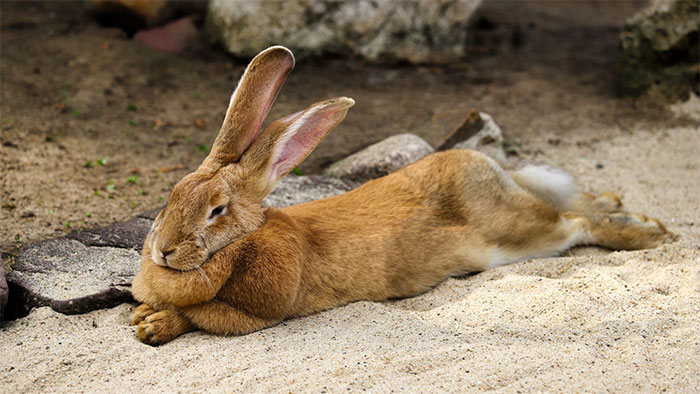
For those who prefer a low-fat diet, rabbit meat can be a good choice. In addition, rabbit meat is rich in many vitamins and minerals such as vitamin B and iron, which play a positive role in balancing nutrition and taking care of the health of the human body. (Photo: Zhihu).
Although rabbit meat is delicious, each rabbit has relatively little meat, many bones and organs , so the supply of rabbit meat in non-farming areas is relatively limited. Compared to other meats such as chicken and pork, they are more abundant and more affordable, so rabbit meat is not a mainstream food choice in many countries.
People's emotional attachment to rabbits also has an impact on its popularity as a food ingredient. Rabbits are cute little animals that are often kept as pets. People are emotionally close to and protective of rabbits, so their acceptance of rabbit meat is relatively low. This emotional factor further limits the place of rabbit meat in the human diet.
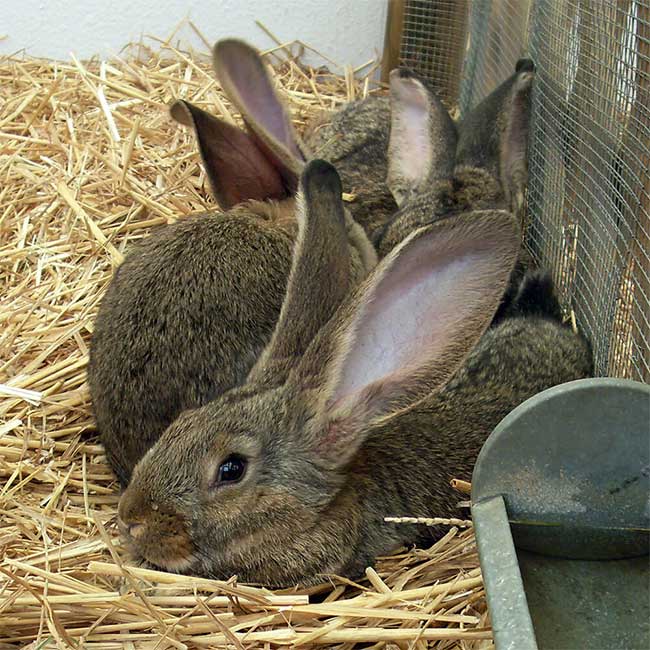
We can explain why rabbit meat has not yet become a staple food for humans by starting from the advantages of other meat sources. Rabbits are herbivores, their meat has lower fat content and higher protein content than other meat animals. (Photo: Zhihu).
Compared with other meat animals, rabbit farming technology is relatively complicated and requires a more advanced farming environment. The common habitat of rabbits is forests or grasslands, and their natural environment needs to be simulated during the farming process.
Compared with raising chickens, cows, pigs and other meat animals, the cost of raising rabbits is also higher due to the relatively complex needs of rabbits in the breeding and growth process. Therefore, compared with other meat sources, the cost of raising rabbits is higher, limiting their competitiveness in the market.