Space science
6 'quiet' galaxies suddenly become the brightest quasars in the universe
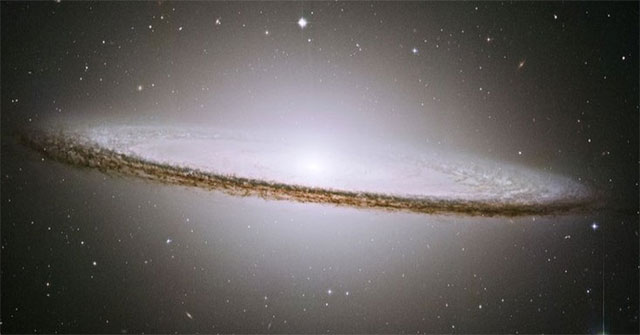
Astronomers discovered a mysterious phenomenon when six 'quiet' galaxies became the brightest quasars in the universe in just a few short months.
Explore astronomy, NASA missions, planets, galaxies, the Moon, the Solar System and discoveries that expand our understanding of the universe.
8,698 published items in this category and its subcategories.
Astronomers discovered a mysterious phenomenon when six 'quiet' galaxies became the brightest quasars in the universe in just a few short months.
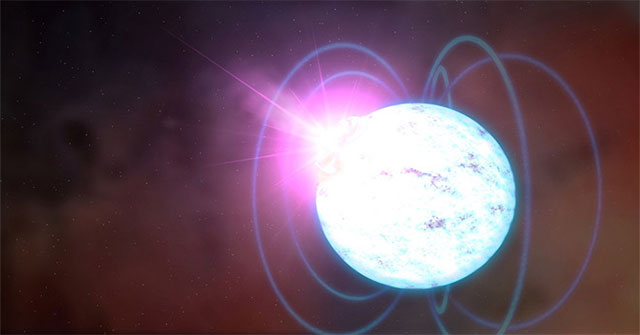
Scientists have discovered the largest neutron star ever, with its enormous mass compressed close to the limits set by the laws of physics.
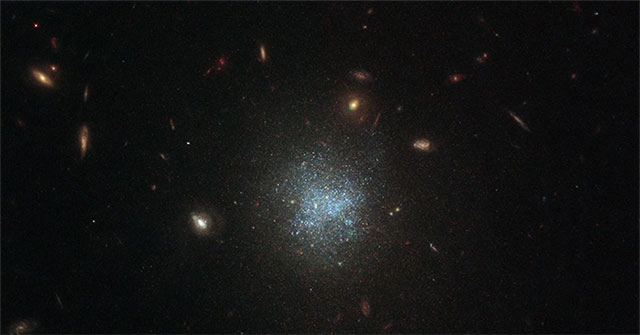
The Hubble Space Telescope captures UGC 695, a weak glowing galaxy located in the constellation Cetus (Kinh Ngu).

In preparation for its return to the Moon in 2024, NASA has designed many special exercises for astronauts, including exercises in the water tank.
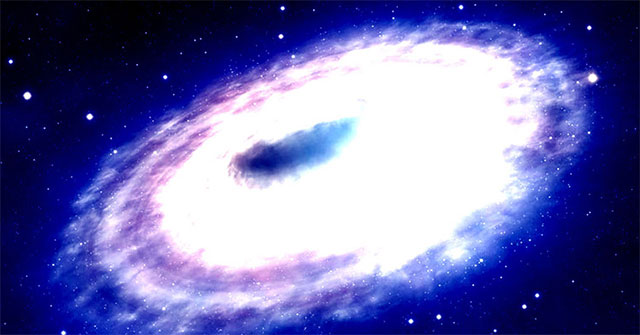
The supermassive black hole in the center of the Milky Way swallows more matter and glows abnormally.
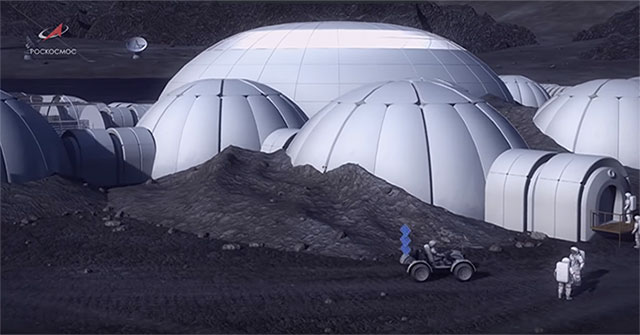
Russian space agency Roscosmos declassified documents on the first Soviet 'Moon' program.
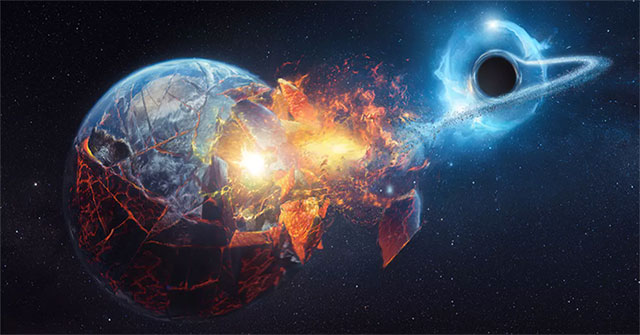
In the vast universe, the black hole is probably the most feared 'evil spirit' we have ever known. With enormous gravity, no matter, not even light, can escape the black…
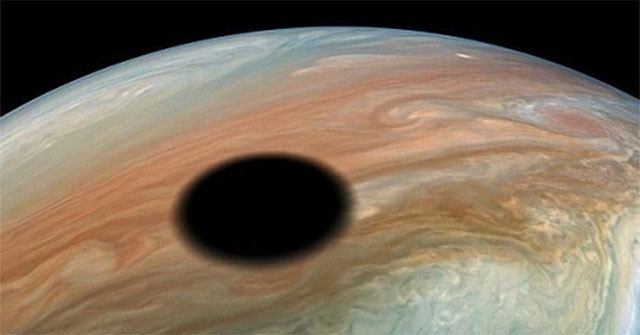
NASA's Juno probe captures the moment when the Moon Io obscures the Sun, creating a shadow on the surface of a giant gas planet.
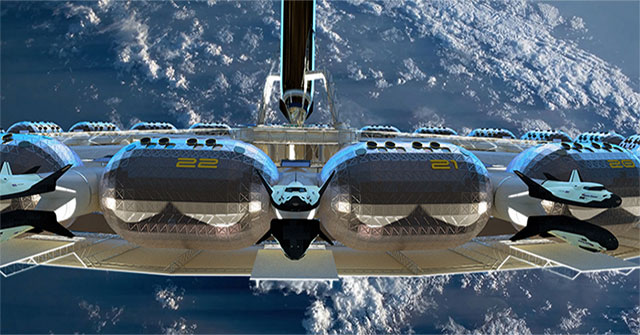
The US-based Gateway Foundation has revealed plans to build a space station in the style of a spacecraft orbiting Earth.
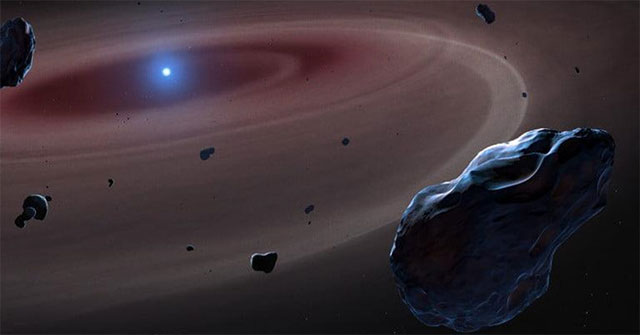
Planets orbiting a dead star emit special electromagnetic radiation that we can capture from Earth.
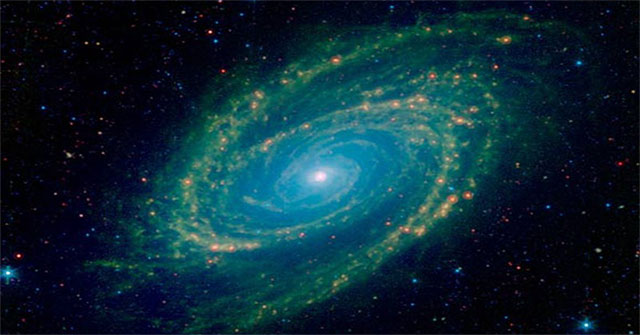
NASA has just released a stunning infrared image taken by NASA's Spitzer Space Telescope of the Messier 81 galaxy, a spiral galaxy located 11.6 million light-years from…
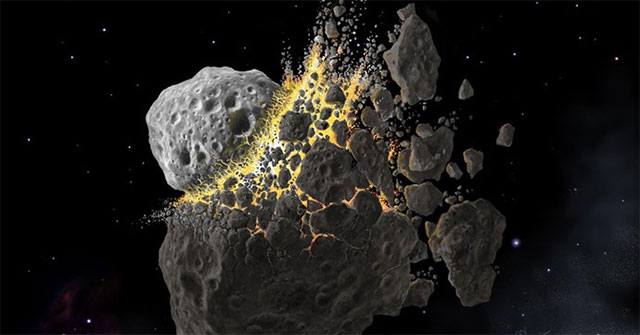
The results of an international scientific study show that the planet collision 470 million years ago created a layer of dust leading to the ice age and then led to the…
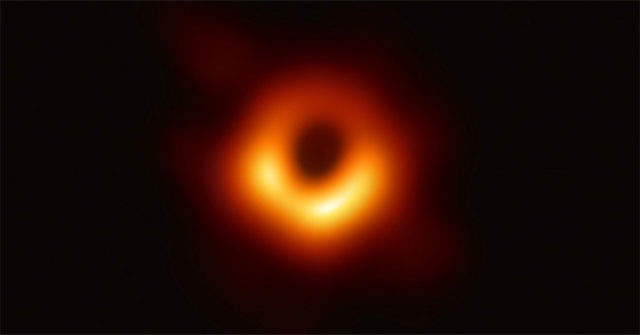
The giant black hole in the center of our Milky Way galaxy is swallowing matter at unprecedented speed.

In August, a source in Russia's space and rocket industry announced that the launch of the next Cygnus transport vessel to the ISS is scheduled for October 21.
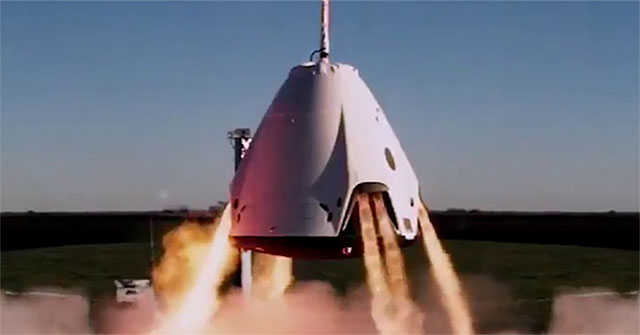
The spacecraft carrying the Crew Dragon can automatically ignite the engine to separate itself from the boosters in the event of an incident.