Space science
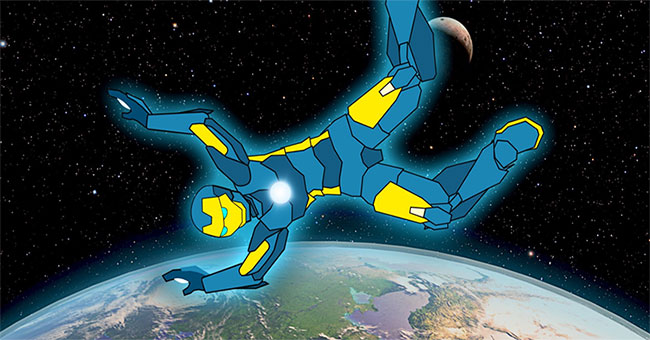
What happens if parachuting from the International Space Station?
If parachuting from the ISS station, you run the risk of crashing into cosmic garbage, burning down when friction with the atmosphere, being truncated by the limbs.
Explore astronomy, NASA missions, planets, galaxies, the Moon, the Solar System and discoveries that expand our understanding of the universe.
8,698 published items in this category and its subcategories.
If parachuting from the ISS station, you run the risk of crashing into cosmic garbage, burning down when friction with the atmosphere, being truncated by the limbs.
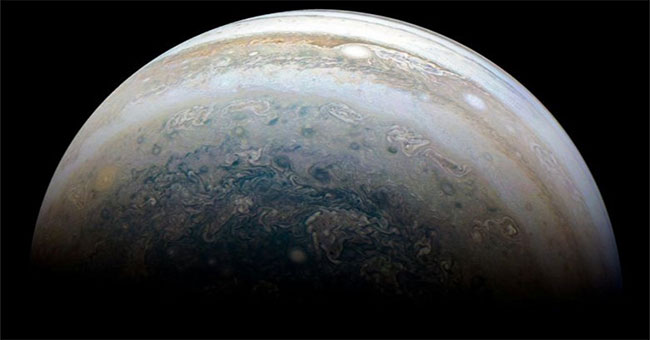
On July 17, the team of astronomer Scott Sheppard of the Carnegie Institute of Science in Washington, USA, announced that 10 new objects have been identified around Jupi…
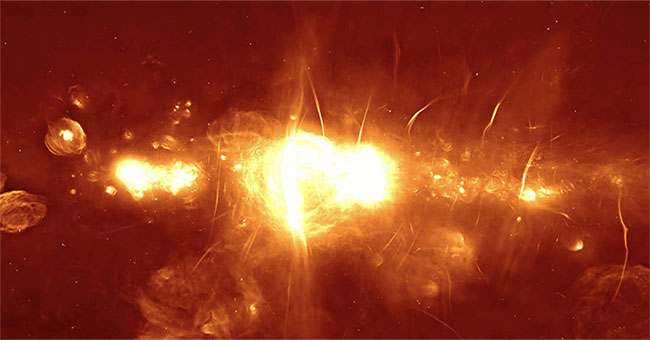
The Earth belongs to the solar system, and the solar system is part of the Milky Way - or the Galaxy (Milky Way). This is probably the most basic knowledge for anyone wh…

Mr. Ashurbeyli's declaration of the establishment of the new state was presented at a ceremony held on June 25 in Vienna.
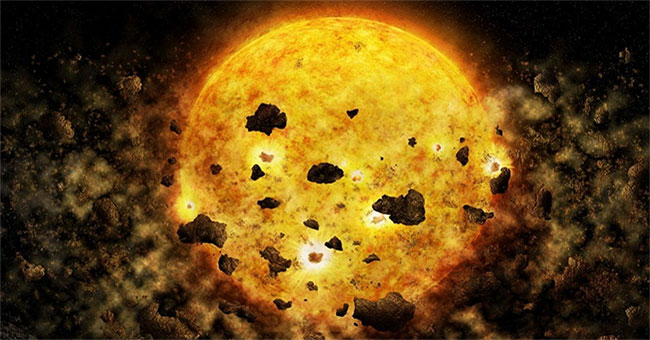
Scientists can first observe a young star
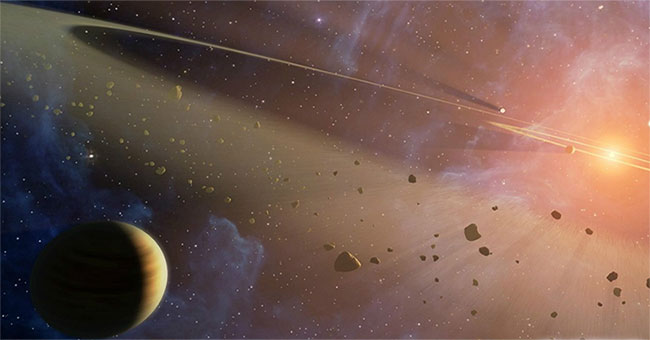
The research team at the University of Hawaii and the University of Arizona (USA) was stunned to observe a new planet named 2MASS 0249 c orbiting a pair of red dwarfs.
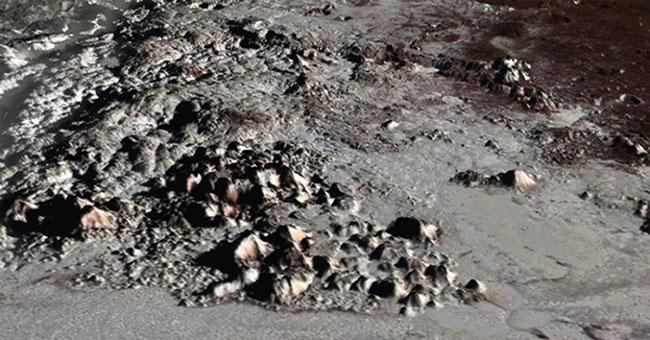
On July 12, 2018, the New Horizon spacecraft has the opportunity to inspect the surface of Pluto and publish many interesting new information.
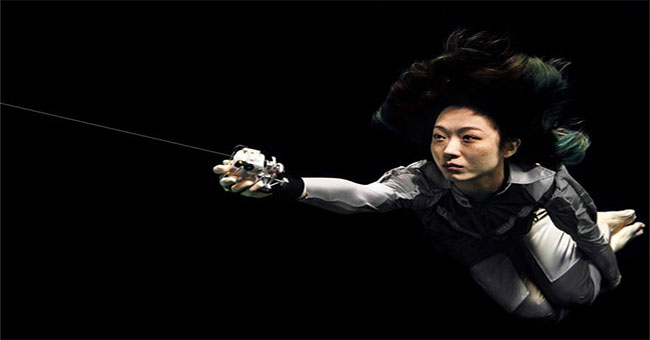
Astronauts will use a silk shotgun inspired by spiders to pull the body from one point to another

Dr. Denilso Camargo of Colégio Militar de Porto Alegre, Brazil discovered five new globular clusters in the Milky Way galaxy, considered to contain hundreds of thousands…
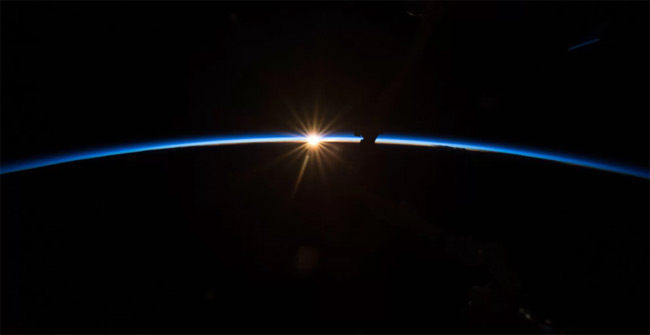
Don't miss the chance to admire this rare moment between the Sun and the Earth. The rare moment when the sun lies on the horizon, the perfect, sparkling shine.
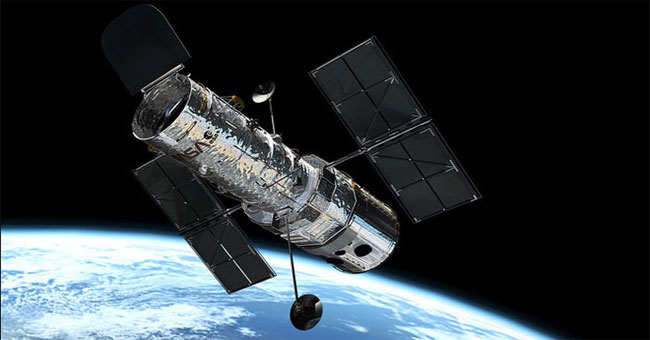
Life always has mistakes, and every mistake makes you lose something.
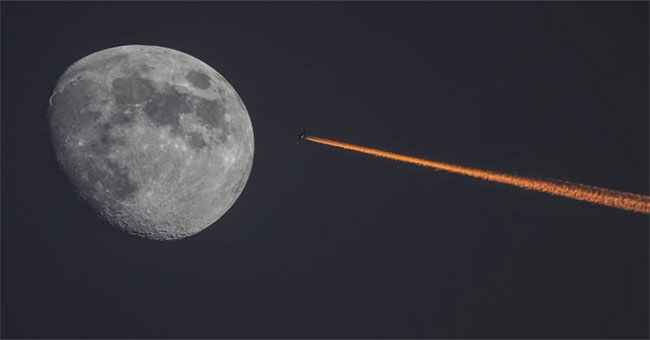
NASA plans to create a Station on the Moon in the next eight years, where astronauts will always reside.
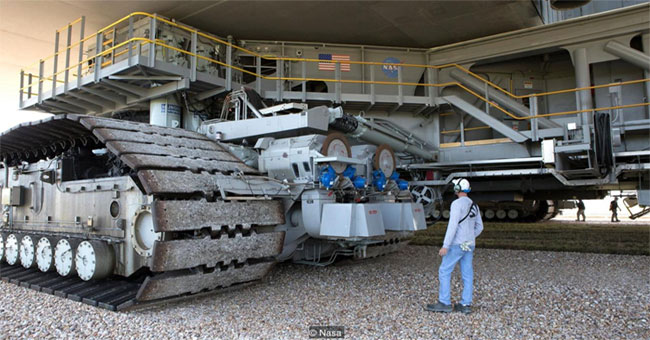
The over 50-year-old crawler carriage is refurbished and reinforced to transport NASA SLS missiles over a 7km distance to the launch pad.
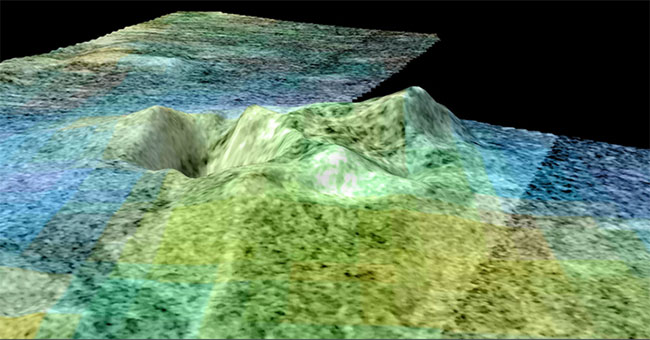
The study has just published in the Astrobiology scientific journal of the US scientists group of many units, using data that Cassini research spacecraft.
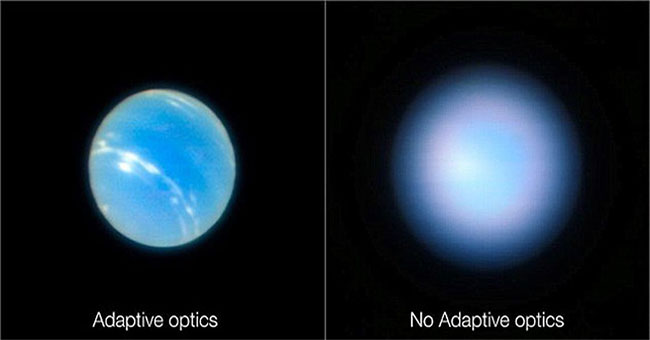
The Very Large Telescope (VLT) of the Southern European Observatory (ESO) has received the first light rays after activating the new adaptive optical mode.