Space science
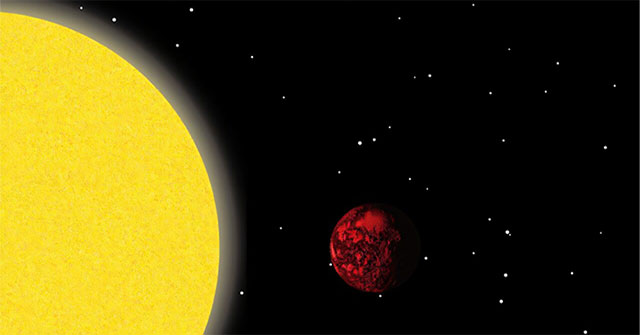
Super Earth discovered with record density
A lead-heavy exoplanet, possibly the leftover core of a giant sphere that flew too close to its sun, has just been discovered.
Explore astronomy, NASA missions, planets, galaxies, the Moon, the Solar System and discoveries that expand our understanding of the universe.
8,698 published items in this category and its subcategories.
A lead-heavy exoplanet, possibly the leftover core of a giant sphere that flew too close to its sun, has just been discovered.

The Cold Moon is the last full moon of the 2024 calendar year and will rise higher in the night sky than any other full moon, nestled next to Jupiter.
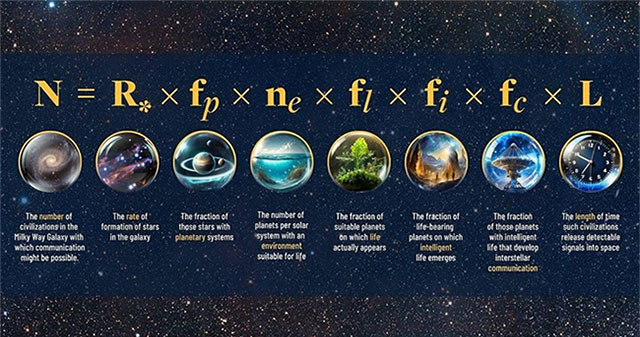
One of the greatest mysteries of existence, and also the most difficult to answer, is whether civilization on Earth is alone in the universe.
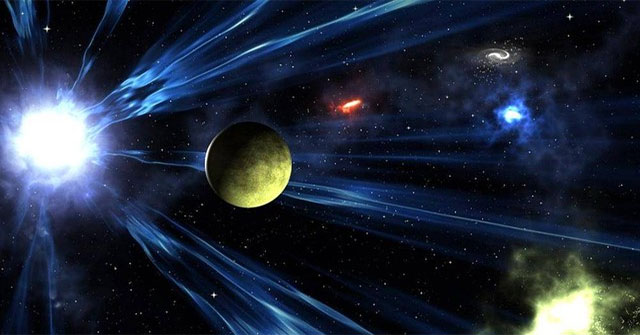
The universe, with its boundless and mysterious appearance, has always been a controversial subject and has stimulated the human imagination.
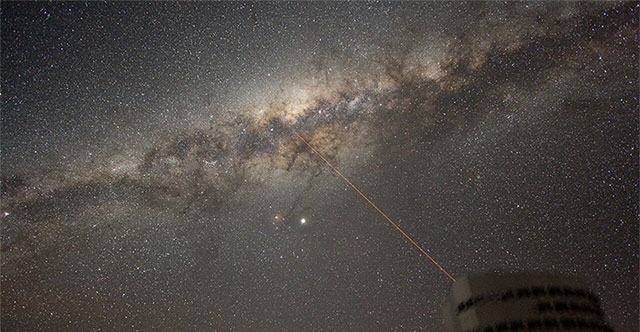
Data from three large-scale space surveys confirm that the Milky Way monster to which Earth belongs is very different from its peers.
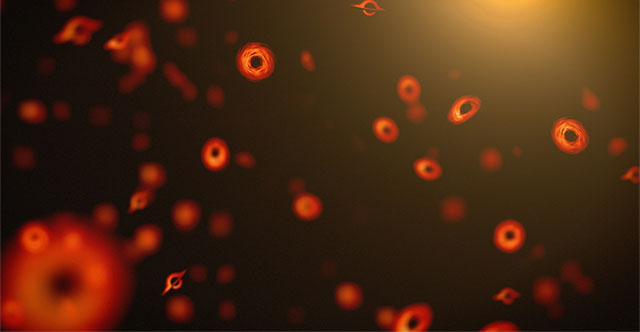
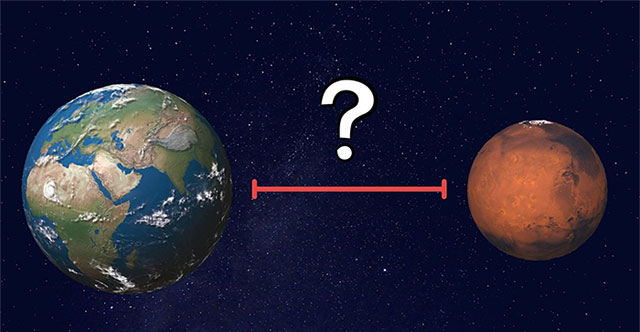
Imagine a day when our familiar Moon is no longer in the sky. Instead, Mars - the mysterious red planet - becomes Earth's only natural satellite.
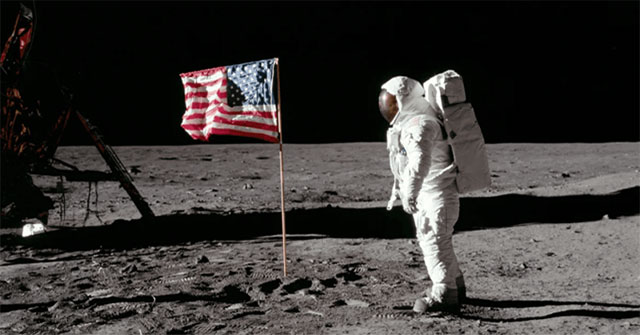
All NASA astronauts landed on the Moon during the day, when it was too bright to see stars with the naked eye, and they didn't intend to take pictures of the stars.
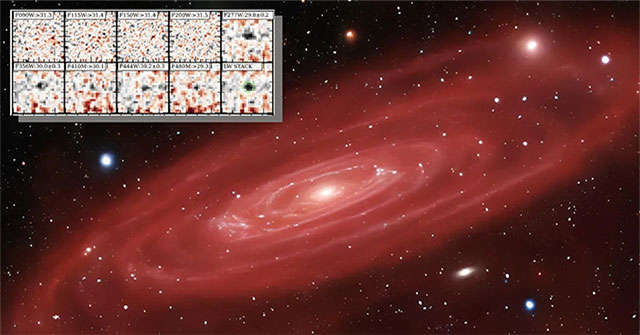
The James Webb Space Telescope has just set a new record by capturing images of objects that existed when the universe was just over 200 million years old.
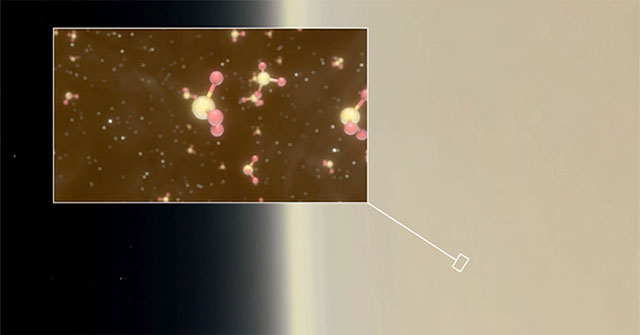
In the chaotic universe, Venus has long been famous for its extreme temperatures, thick atmosphere, and clouds of sulfuric acid.
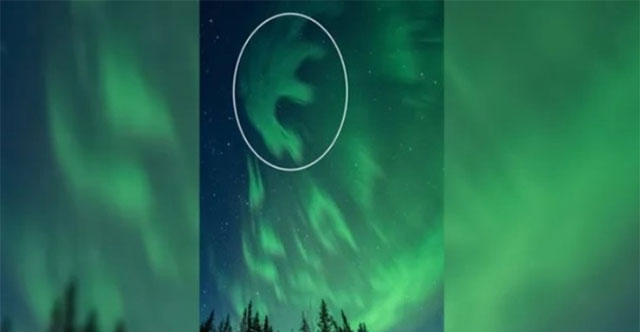
An extremely rare black aurora borealis creates an E-shaped swirl of light in this recent image taken over Alaska.
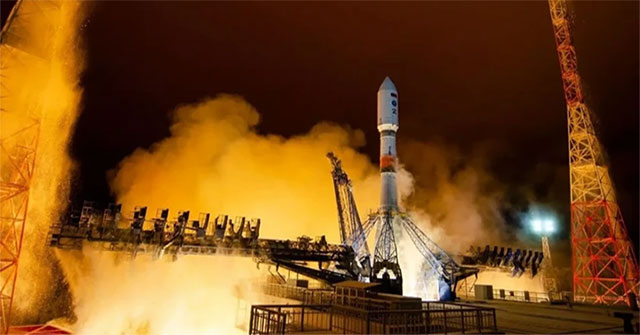
The launch of the Soyuz-2.1b rocket carrying a military satellite took place at 20:59 (Moscow time) from the Russian Defense Ministry's National Test Cosmodrome in Arkha…
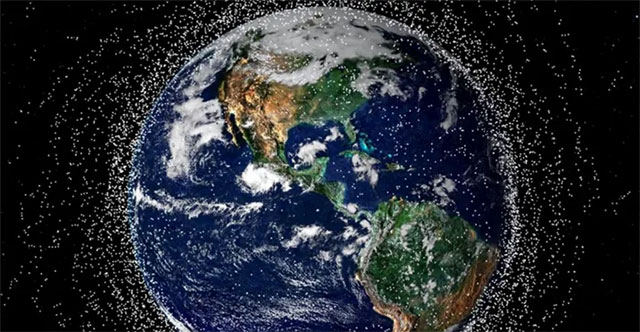
The rapid increase in the number of satellites and space junk will make low Earth orbit unusable.
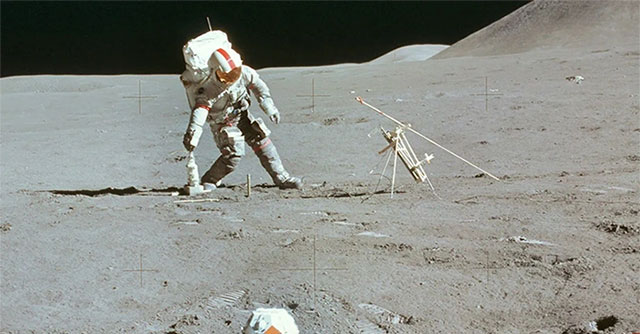
Time on the Moon runs 56 microseconds faster than on Earth. This can cause a positioning error of up to 17 km per day.
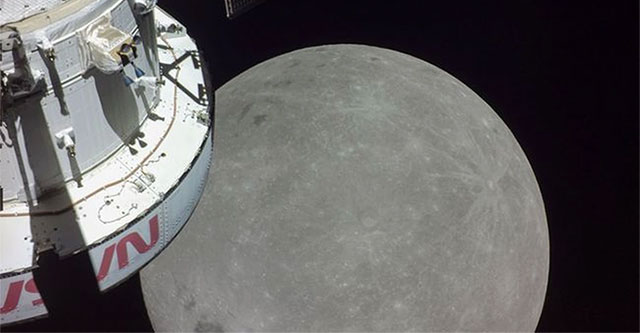
Artemis 2, the first manned mission to the Moon since 1972, will not go ahead as planned.