Space science
What does the universe look like when it breaks the speed of light?
Recently, researchers from Poland and Singapore have proposed a new theoretical system of light that does not contradict Einstein's special theory of relativity.
Explore astronomy, NASA missions, planets, galaxies, the Moon, the Solar System and discoveries that expand our understanding of the universe.
8,698 published items in this category and its subcategories.
Recently, researchers from Poland and Singapore have proposed a new theoretical system of light that does not contradict Einstein's special theory of relativity.
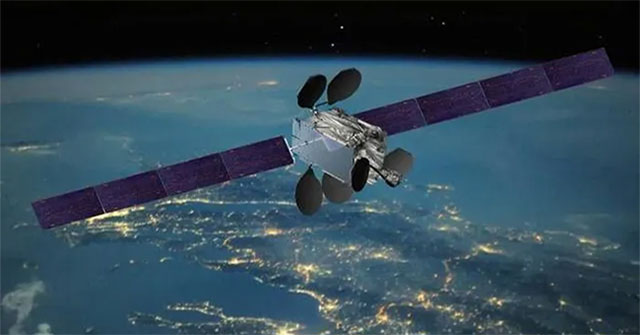
The US Space Force is tracking space debris, after a Boeing-made satellite exploded earlier this week.
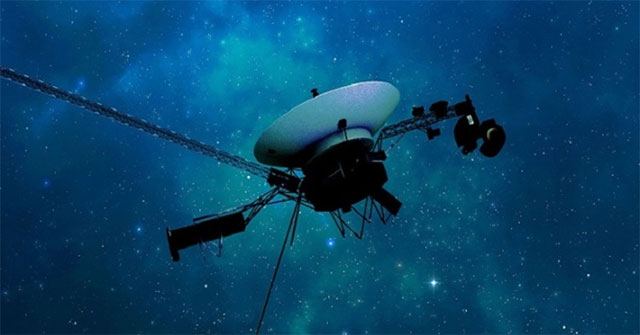
Some 46 years after NASA's Voyager 1 and 2 began their epic journey of space exploration, the probes' aging software continues to be updated remotely.
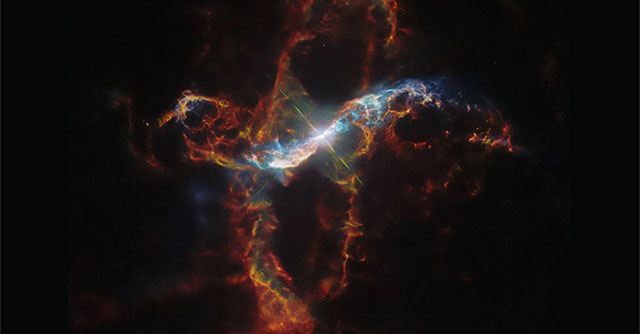
The Hubble Telescope captured an image that NASA describes as

In 2017, NASA's Cassini probe sent back the closest images of Saturn as it plunged into the planet's stormy atmosphere and yielded some amazing information.
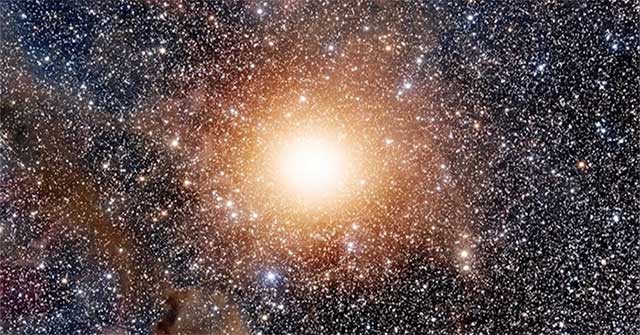
Scientists have come up with a new explanation for the spooky transformation of Betelgeuse, a

The James Webb Space Telescope has set a new record by reaching into the universe when it was just 2% of its current age and capturing images of the oldest galaxies ever…
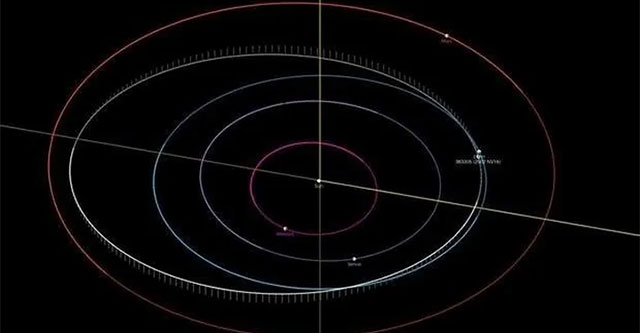
On Thursday (October 24), several asteroids made their closest approach to Earth, each passing within 24 hours.
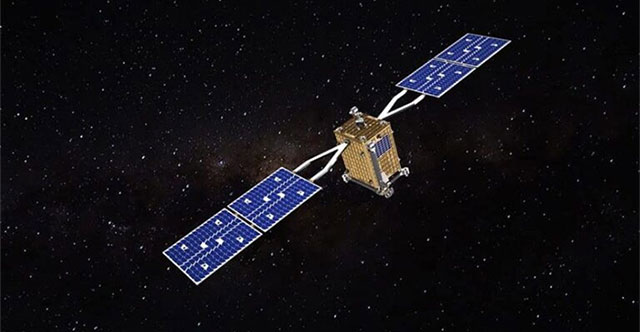
Debris from the Intelsat 33e communications satellite explosion threatens hundreds of satellites in geostationary orbit, including those operated by China.
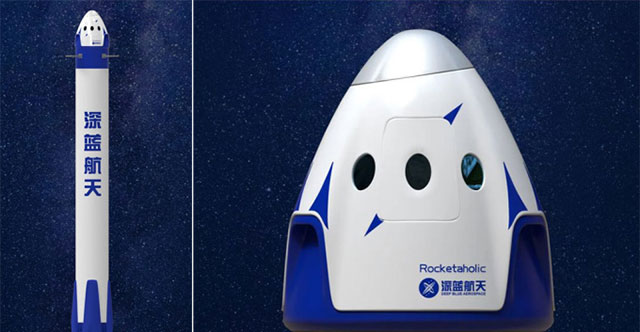
Deep Blue Aerospace announced on October 23 that it will take passengers to suborbital space in 2027 with tickets costing 1.5 million yuan ($210,000).
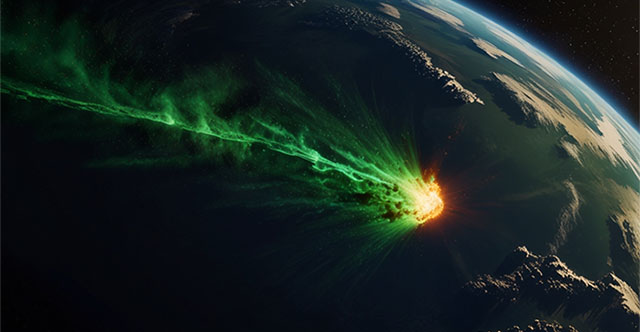
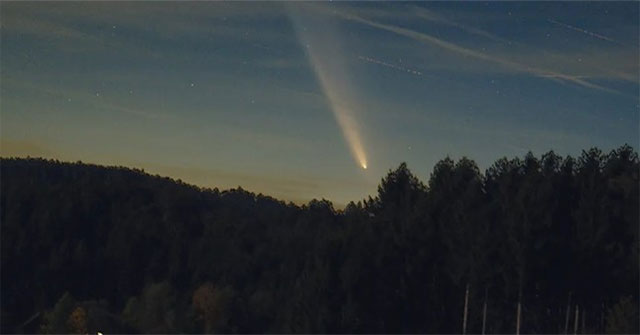
An ancient object expected to be bright enough to be easily seen with the naked eye on Halloween may be meeting a gruesome death.
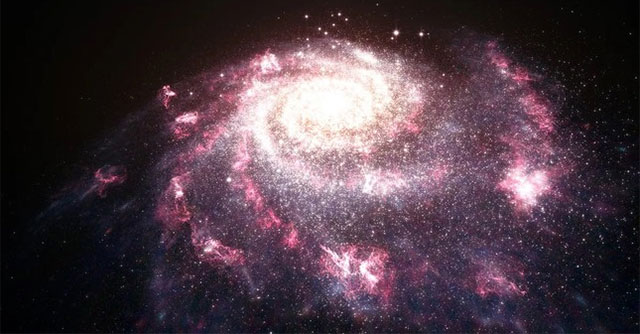
Astrophysicists explain why the James Webb Telescope discovered a mysterious group of galaxies that threatens to disrupt cosmology.
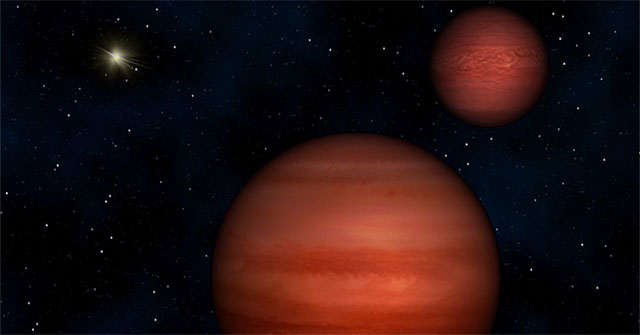
The surprising truth about a half-star, half-planet object discovered nearly three decades ago has just been decoded.
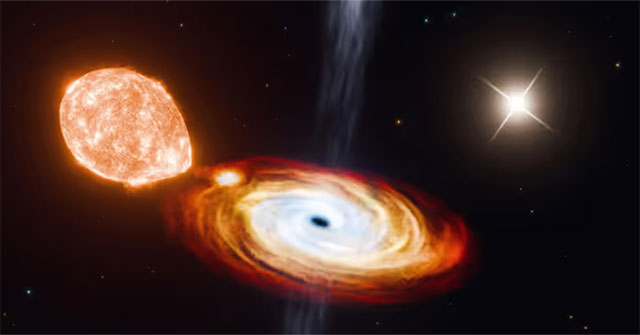
A black hole in the constellation Cygnus and its two ghostly companions have challenged long-standing cosmological understanding.